English garden design has captivated homeowners, landscape architects, and horticulture enthusiasts for centuries, evolving from formal Renaissance layouts into the lush, romantic landscapes we associate with the English countryside today. Whether you are designing a compact urban courtyard or sprawling rural grounds, understanding the principles behind traditional English garden design gives you the foundation to craft a space that feels effortlessly beautiful and timeless. This guide walks you through everything from core design philosophy to plant selection, hardscape materials, and practical tips for gardeners at every skill level. If you have been searching for how to create an authentic English garden that blends structure with wildflower charm, this article is your comprehensive roadmap.
What Defines English Garden Design?
English garden design is rooted in the idea that a garden should look as though it has evolved naturally over decades, even when it is meticulously planned. The style draws heavily from the romantic landscapes of Capability Brown, the cottage gardens of the Cotswolds, and the structured yet softened borders of English country estates. The result is a layered outdoor space that combines manicured elements with relaxed, abundant planting.
Key characteristics that separate English garden design from other styles include curved pathways, mixed borders, the interplay of formal and informal elements, and a deep emphasis on sensory experience. Fragrance, texture, color shifts across seasons, and the presence of water features all contribute to the signature English aesthetic.

Core Elements of an English Garden
Formal Structure Meets Informal Planting
The hallmark of English garden design is the tension between order and wildness. A classic approach places a geometric framework — such as a gravel courtyard, a symmetrical parterre, or a neatly clipped hedge — at the heart of the garden, then surrounds it with loose, overflowing borders. This contrast creates visual depth and keeps the space from feeling either sterile or chaotic.
Consider incorporating these structural anchors:
- A central lawn or paved area as the garden room
- Well-defined hedgerows or boxwood parterres
- Ornamental gates, stone walls, or brick edging
- A focal point such as a sundial, urn, or small pavilion
Garden Borders and Layered Planting
Mixed borders are the soul of any English garden design. Unlike single-species rows, layered borders combine perennials, shrubs, grasses, and bulbs planted in drifts that repeat and overlap throughout the seasons. The goal is continuous interest from early spring through late autumn.
- Back layer: Tall shrubs and structural perennials like delphiniums or hollyhocks
- Mid layer: Rose bushes, lavender, salvia, and hardy geraniums
- Front edge: Low-growing plants like alchemilla, creeping thyme, and aubrieta
Water Features and Hardscape Materials
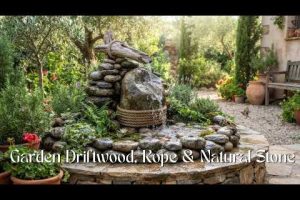
Water plays a vital role in traditional English garden design. A naturalistic pond, a stone-lined rill, or even a simple wall fountain introduces sound, movement, and a cooling focal point. For hardscape, natural materials dominate — locally quarried stone, weathered brick, and aged timber create a sense of permanence and harmony with the landscape.
Planning Your English Garden Layout
Starting with a Small English Garden
If you are working with limited space, English garden design can still deliver maximum impact. The trick is to use vertical layers, narrow borders along fences or walls, and a few key features — a climbing rose over an archway, a compact herb garden, and a small container water feature. Raised beds and trough plantings mimic the feel of a larger border without consuming much ground area.
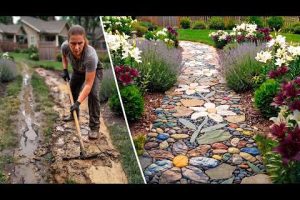
Beginner gardeners should focus on mastering three to four plant groupings before expanding. Start with reliable perennials, add a structural shrub or two, and use gravel or stepping-stone paths to define movement through the space.
Designing for Larger Properties
Larger gardens offer the freedom to create distinct outdoor rooms, each with its own planting theme. A rose garden, a wildflower meadow, a kitchen herb garden, and a woodland edge can all coexist within a single estate-style layout. Paths should meander gently rather than run in straight lines, encouraging exploration and discovery.
Choosing the Right Plants for an English Garden
Classic Plants for English Garden Design
Plant selection is arguably the most defining aspect of English garden design. The palette leans toward romantic, cottage-inspired species that offer abundant blooms, aromatic foliage, and architectural seed heads that persist into winter. Timeless choices include:
- Rosa — Climbing and shrub roses provide the backbone of many English borders
- Lavandula angustifolia — Adds fragrance, silvery foliage, and pollinator appeal
- Salvia nemorosa — Spikes of purple or blue that repeat beautifully throughout summer
- Echinacea and Rudbeckia — Hardy perennials that carry color deep into autumn
- Nepeta — Soft blue catmint creates stunning waves when planted in mass
- Hydrangea macrophylla — Bigleaf hydrangeas deliver big, lush summer blooms
A Seasonal Planting Strategy

A well-planned English garden does not peak only in summer. Thoughtful designers sequence early bulbs, spring perennials, summer flowering, and autumn interest so that the garden never looks bare.
| Season | Key Plants | Design Role |
| Spring | Daffodils, tulips, primroses, hellebores | Emerging color and fresh foliage |
| Summer | Roses, lavender, salvia, phlox | Peak bloom and fragrance |
| Autumn | Chrysanthemums, asters, ornamental grasses | Warm tones and textural seed heads |
| Winter | Hellebores, winter jasmine, evergreen structure | Form, silhouette, and subtle color |
English Garden Design Ideas by Budget

Implementing English garden design does not require a vast estate or unlimited funding. The following table compares approaches across budget levels, helping you prioritize where to invest your resources.
| Budget Level | Key Features | Estimated Investment | Best Plants |
| Low | Gravel paths, self-seeding perennials, recycled stone | $200–$800 | Nepeta, rudbeckia, foxglove, chamomile |
| Medium | Defined borders, small water feature, mixed hedge | $800–$3,000 | Roses, lavender, hydrangea, ornamental grasses |
| High | Formal parterre, stone walls, custom pergola, mature trees | $3,000–$10,000+ | Mature specimen trees, David Austin roses, topiary |
Common Mistakes to Avoid in English Garden Design
Even enthusiastic gardeners can undermine their English garden design with avoidable errors. One of the most common mistakes is over-planting — cramming too many species into a small border creates visual clutter rather than the effortless, curated look that defines the style. Another frequent misstep is ignoring winter structure, leaving the garden looking bare and unfinished from November through March.
Other pitfalls include using too much mulch (which flattens the romantic, naturalistic feel), choosing rigidly symmetrical layouts that read as French rather than English, and neglecting the importance of foliage texture and year-round form. Remember that in a true English garden, the bones of the structure carry as much visual weight as the flowers.
Expert landscapers also caution against neglecting soil preparation. English-style planting depends on rich, well-draining soil amended with organic compost. Skipping this foundational step leads to weak growth and disappointing blooms, no matter how carefully you choose your varieties.
Frequently Asked Questions
What is the difference between English garden design and cottage garden design?
While the two styles share overlapping plant palettes and romantic aesthetics, English garden design often incorporates more formal structure — geometric pathways, clipped hedges, and symmetrical layouts — whereas cottage gardens lean more heavily into informal, densely packed planting with a wilder, more spontaneous feel.
What plants are essential for a traditional English garden border?
The backbone of a traditional English border typically includes roses (especially David Austin varieties), lavender, hardy geraniums, salvia, echinacea, and ornamental grasses. These plants provide structure, long-season color, and the layered, naturalistic planting style that defines the approach.
How do I maintain an English garden without it looking overgrown?
Regular deadheading, seasonal division of perennials, and selective pruning keep an English garden looking intentional. A consistent schedule — deadheading in midsummer, cutting back herbaceous stems in late autumn, and tidying borders in early spring — prevents the space from tipping into a neglected wildflower patch.
Can English garden design work in small urban spaces?
Absolutely. Compact English garden ideas scale beautifully to balconies, courtyards, and narrow side gardens. Focus on vertical elements like climbing roses and wall-trained shrubs, narrow border planting along fences, and a few key containers filled with classic English perennials.
What hardscape materials best suit English garden design?
Natural stone — particularly sandstone, limestone, and flint — is the gold standard for English garden hardscape. Weathered brick, aged timber for pergolas and benches, and gravel for paths all reinforce the timeless, grounded feel of the style.
Conclusion
English garden design endures because it speaks to something deeply human — the desire for beauty, fragrance, and connection to the natural world. Whether you are a beginner planting your first mixed border or an experienced gardener designing a full estate layout, the principles remain the same: structure and softness working in harmony, plants chosen for both form and function, and a commitment to creating a space that feels alive across every season. Start with a clear plan, invest in good soil and proven plant varieties, and resist the urge to over-control. The magic of an English garden lies in the balance between intention and nature — a balance that rewards patience, observation, and a genuine love of the outdoors.