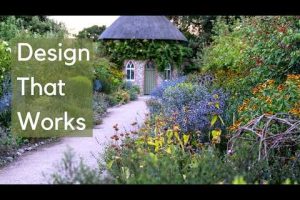
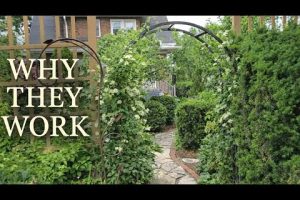
There is something timeless and deeply enchanting about an English cottage garden design — a living tapestry of winding paths, overflowing borders, and an almost magical abundance of color and texture. Unlike the rigid symmetry of formal landscapes, this style celebrates wild beauty, curated chaos, and the art of letting nature take the lead while still maintaining an intentional, thoughtful composition. Whether you are a first-time gardener looking to transform a modest backyard or an experienced grower seeking to capture that quintessential pastoral charm, English cottage garden design offers an endlessly rewarding creative journey. This guide walks you through every essential aspect of the style, from foundational principles and plant selections to layout strategies, hardscape choices, and expert tips that will help you build a garden that feels like it has stood for centuries.
What Is English Cottage Garden Design?
At its core, the English cottage garden is a romantic, densely planted style rooted in the rural gardens of cottages throughout England, dating back to the Elizabethan era and flourishing through the Victorian period. Unlike modern minimalist landscapes or formal parterre designs, cottage gardens embrace a lush, informal, and layered aesthetic. The defining characteristic is a sense of abundant, effortless beauty — flowers spilling over stone walls, climbing roses draping across wooden trellises, and herb beds nestled casually between vibrant borders.
The Origins and Historical Inspiration
The cottage garden tradition grew out of necessity. Rural English families cultivated practical plots filled with vegetables, herbs, and flowers for culinary, medicinal, and decorative purposes. Over time, these utilitarian spaces evolved into beloved aesthetic expressions, celebrated by garden designers like Gertrude Jekyll and William Robinson in the late 19th century. Today, the style draws on this rich heritage while incorporating contemporary planting techniques and climate-appropriate species.
Key Design Principles of Cottage Garden Style
Understanding the foundational principles behind English cottage garden design is essential for achieving an authentic result. These guidelines govern everything from spatial arrangement to plant selection.
- Informal Layout: Curved borders, asymmetric plant groupings, and organic pathways replace straight lines and rigid geometry.
- Dense Planting: Layered planting creates depth and visual richness, with taller plants at the back and shorter ones cascading forward.
- Mix of Ornamental and Edible: Traditionally, cottage gardens blended flowers with vegetables and herbs, blurring the line between beauty and function.
- Repetition and Drift: Repeating key plant species in sweeping groupings creates rhythm and cohesion across the garden.
- Soft Boundaries: Hedges, climbing plants, and informal fences replace manicured walls, softening the edges of the space.
- Color Harmony: While cottage gardens can be exuberant, successful designs often anchor around a cohesive color palette or a harmonious mix of complementary tones.

Plants and Flower Choices for the English Cottage Garden
The soul of any cottage garden lives in its plant palette. Selecting the right flowers, shrubs, and climbers determines the atmosphere, seasonality, and authenticity of your design.
Classic Cottage Garden Flowers
The following perennials and annuals are staples of traditional English cottage garden design:
- Roses — particularly old-fashioned shrub roses and climbing varieties like ‘The Fairy’ or ‘New Dawn’
- Lavender — providing fragrance, pollinator attraction, and silvery foliage contrast
- Delphiniums — tall spires of blue and purple that anchor the middle and back borders
- Peonies — lush, ruffled blooms in shades of pink, white, and crimson
- Foxgloves — tall, vertical spires that add dramatic height
- Sweet William — fragrant, colorful clusters beloved for cottage charm
- Hollyhocks — towering biennials that create a stunning backdrop
- Cosmos and Zinnias — cheerful annuals that fill gaps with effortless color
Shrubs and Structural Plants
Beyond flowering perennials, structural shrubs provide year-round framework. Consider integrating hydrangeas, elderberry (Sambucus), spirea, and native hedging plants like hawthorn or beech. These give the garden its bones, ensuring it looks intentional even during dormant months.
Layout and Pathway Design
Pathways are the arteries of an English cottage garden, guiding visitors through the lush plantings and revealing new views around every bend. Natural materials are essential here.
Popular Pathway Materials
| Material | Character | Best For |
| Flagstone | Earthy, natural, durable | Main walkways and formal entries |
| Gravel and Cobblestone | Rustic, textured | Secondary paths and border edges |
| Brick or Brick Pavers | Warm, traditional | Curved borders and circular features |
| Stepping Stones with Creeping Thyme | Whimsical, informal | Naturalistic trails through planting beds |
Curving paths are the hallmark of cottage garden layout. Straight lines feel too deliberate and modern. Instead, use gentle S-curves and meandering routes that slow the visitor down and encourage them to notice the details along the way. Edging pathways with low-growing thyme, aubrieta, or chamomile adds fragrance and softens the transition from hardscape to planting.

Color Schemes and Planting Combinations
While cottage gardens can feel riotous in color, the most successful designs use intentional schemes. The classic English palette often leans toward soft pastels — blush pinks, dusty purples, creamy whites, and muted blues — but bold combinations of deep reds, hot pinks, and vibrant yellows can also work beautifully when anchored with green foliage and silver-toned plants.
Pro tip: Group plants in odd numbers (3, 5, or 7) for a more naturalistic feel. Drifts of a single species create greater visual impact than isolated single specimens planted in a line.
Essential Hardscape Elements
Hardscape features add structure and character to a cottage garden. These elements include:
- Stone walls and rubble walls — providing height, texture, and a place for plants to cascade
- Wooden fences and gates — often painted in traditional white or left to weather naturally
- Garden arches and pergolas — supporting climbing roses, clematis, and wisteria
- Birdbaths and stone urns — adding focal points and wildlife habitat
- Wooden benches and seating areas — inviting rest and contemplation amidst the beauty
- Greenhouses or potting sheds — a nod to the practical heritage of cottage gardens
Cottage Garden Design for Every Skill Level
Beginner-Friendly Approach
If you are new to gardening, start with hardy, low-maintenance perennials such as lavender, salvia, and rudbeckia. Focus on establishing a simple curved border along a single fence line or patio edge. Use gravel pathways and a few container plants to add instant character without overwhelming yourself with complexity.
Intermediate Design Strategies
As your confidence grows, layer in climbing plants, add a small arch or obelisk, and experiment with companion planting — combining flowers with vegetables and herbs. Introduce structural shrubs and explore seasonal succession planning so that something is always blooming.
Advanced Techniques for Authenticity
Seasoned gardeners can push their cottage design further by incorporating heritage and heirloom plant varieties, creating a wildlife-friendly habitat with native species, designing a four-season planting calendar, and implementing traditional gardening techniques like espalier and topiary. Advanced practitioners might also explore the restoration or replication of a historically accurate cottage garden style, referencing period-appropriate plants and layouts.
Formal Garden vs. Cottage Garden: A Quick Comparison
| Feature | Formal Garden | Cottage Garden |
| Layout | Symmetrical, geometric | Informal, curvilinear |
| Plant Density | Spaced, orderly | Dense, layered |
| Plant Selection | Structured, often architectural | Mix of ornamentals, edibles, and wildflowers |
| Pathways | Straight lines, paved | Curved, natural materials |
| Maintenance Level | Regular, precise pruning | Moderate, relaxed pruning |
| Overall Feel | Orderly, elegant | Lush, romantic, abundant |
Expert Tips for an Authentic English Cottage Garden
- Embrace imperfection. Leave some self-seeded plants in place. A volunteer poppy or foxgull adds serendipity.
- Layer your heights. Always have a background layer (tall shrubs or climbers), a mid-layer (perennials and tall flowers), and a foreground layer (low-growing plants and edging).
- Add fragrance. English cottage gardens are as much about scent as sight. Plant jasmine, honeysuckle, and sweet peas near seating areas and pathways.
- Use natural mulches. Bark chips, straw, and gravel look more authentic than uniform landscape fabric.
- Incorporate water features. Even a simple stone birdbath or a small reflecting pool adds life, sound, and a focal point.
- Think in seasons. Plan for spring bulbs, summer perennials, autumn berries and foliage, and winter structure with evergreens and bark textures.
Frequently Asked Questions
What is the difference between an English cottage garden and a modern cottage garden?
A traditional English cottage garden emphasizes heritage plants, informal layering, and a mix of ornamentals with edibles. Modern cottage garden design may simplify the planting scheme, incorporate contemporary hardscape materials like corten steel or concrete, and adopt slightly more structured arrangements while retaining the relaxed, abundant spirit of the original style.
What plants are best for a small English cottage garden?
Compact varieties work best in small spaces. Consider dwarf lavender, compact hydrangeas, creeping thyme as ground cover, small climbing roses on obelisks, and medium-sized perennials like geraniums, alchemilla, and heuchera. Vertical gardening with wall-mounted planters and climbing plants maximizes limited square footage.
How do I create a cottage garden on a budget?
Start with seeds and cuttings from friends or local gardening groups. Swap plants at community plant sales. Use reclaimed materials for pathways and edging. Focus on affordable perennials like shasta daisies, black-eyed Susans, and wildflower mixes that self-seed generously year after year.
What is the best time of year to start an English cottage garden?
Early spring is ideal for establishing most cottage garden plants. This gives perennials, shrubs, and annuals a full growing season to settle in and develop strong root systems. However, autumn planting also works well, especially for bare-root roses and dormant shrubs.
How often should I water and maintain an English cottage garden?
Cottage gardens are designed to be relatively low-maintenance once established. Water deeply during dry spells, deadhead spent blooms to encourage repeat flowering, and cut back perennials in late autumn or early spring. Mulching annually helps retain moisture and suppress weeds, reducing overall maintenance time.
Conclusion
English cottage garden design is more than a landscaping trend — it is a philosophy of gardening rooted in abundance, beauty, and a deep appreciation for the natural world. Whether you are cultivating a tiny urban courtyard or transforming a sprawling rural plot, the principles of informal layering, fragrant plantings, natural materials, and lush, overflowing borders can bring that timeless pastoral charm to any space. Start with a few core plants, embrace the organic evolution of your garden, and let the design unfold naturally over the seasons. The result will be a living, breathing sanctuary that feels both rooted in tradition and uniquely, unmistakably yours.