


When it comes to transforming cluttered rooms into organized, visually appealing spaces, few storage solutions deliver the versatility and style of a better homes cube organizer. Whether you are a college student furnishing a dorm room, a parent managing a bustling household, or a design enthusiast looking for a statement piece that doubles as functional storage, cube organizers have become one of the most sought-after home storage systems on the market today. But what exactly makes a cube organizer a go-to choice for so many homeowners and renters alike? This comprehensive guide dives deep into everything you need to know about cube organizers — from understanding the different types and materials available, to practical arrangement strategies, expert tips, and honest comparisons that will help you choose the perfect system for your living space.
What Exactly Is a Cube Organizer?
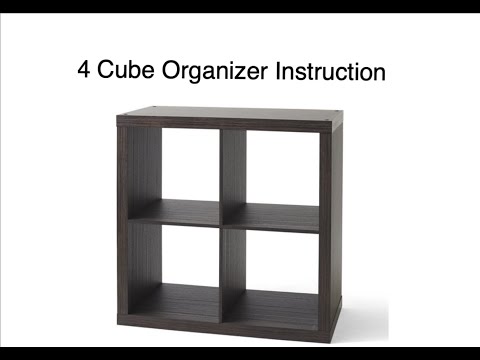
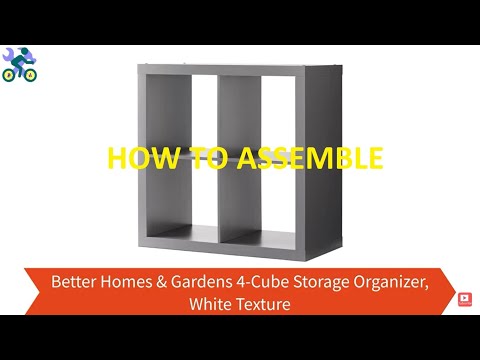
A cube organizer is a modular storage system made up of individual cube units that can be stacked, arranged, and configured in countless ways to suit your specific storage needs. These organizers typically feature open-front squares or rectangles that act as individual compartments for storing books, baskets, bins, decorative items, electronics, clothing, and much more. The term “better homes cube organizer” encompasses a broad category that includes everything from affordable fabric cube storage cubes to premium wooden shelving systems designed for long-term durability.
What sets cube organizers apart from traditional bookshelves or cabinets is their adaptability. You are not locked into a fixed configuration. Need more vertical storage? Stack the cubes higher. Want a wider unit? Arrange them side by side. The modular nature of cube organizers means they grow and evolve with your needs, making them an intelligent investment for any home.
Why Choose a Cube Organizer for Your Home?
There are dozens of reasons why cube organizers have earned a permanent spot in modern home organization. Here are the most compelling benefits that make them a superior choice compared to conventional storage furniture:
- Modular Flexibility — You can reconfigure the layout whenever your needs change or when you rearrange your room.
- Cost Efficiency — Many cube organizer systems are surprisingly affordable, especially compared to custom-built shelving or built-in cabinetry.
- Easy Assembly — Most cube organizers require no tools and can be set up in under thirty minutes.
- Visual Appeal — With the right cubes, baskets, and decorative inserts, a cube organizer becomes a design feature rather than just storage.
- Multi-Purpose Functionality — Use them in living rooms, bedrooms, offices, playrooms, garages, or even bathrooms.
- Scalability — Start with a small 2×2 configuration and expand to a 4×4 or larger system as your storage demands grow.
Types of Cube Organizers You Should Know About
Fabric Cube Organizers
Fabric cube organizers are arguably the most popular option for home use. They are lightweight, portable, and available in a wide range of colors, patterns, and textures. These organizers typically consist of a collapsible frame with fabric or mesh inserts that slide into place. They are ideal for bedrooms, nurseries, and closets where a softer, more decorative look is desired. Fabric cubes are also excellent for storing items that you want hidden from view, especially when paired with woven baskets or fabric bins.
Wooden Cube Shelves
For a more polished and permanent storage solution, wooden cube shelves offer superior durability and a refined aesthetic. Solid wood and engineered wood options are available, ranging from budget-friendly plywood constructions to high-end oak and walnut designs. Wooden cube organizers work beautifully in living rooms and home offices where they serve as both a display surface and a storage unit. They can be stained, painted, or left natural to complement your interior decor.
Plastic and Resin Cube Systems
Often overlooked, plastic and resin cube systems are incredibly durable and moisture-resistant, making them perfect for garages, basements, and laundry rooms. These organizers are easy to clean and frequently feature reinforced stacking mechanisms that prevent shifting or collapse. They are also among the most affordable cube storage options available.
Metal Wire Cube Shelving
Metal wire cube shelving is a favorite among minimalist and industrial-style interiors. The open wire construction allows for airflow and visibility while keeping items neatly contained. These systems are extremely sturdy and can support surprisingly heavy loads, making them suitable for storing books, media equipment, and even heavy decorative objects.
How to Choose the Right Cube Organizer for Your Space
Selecting the perfect cube organizer starts with understanding your specific needs and the limitations of your space. Here are the key factors to consider before making a purchase:
- Measure your available space — Height, width, and depth all matter. A cube organizer that is too large can overwhelm a small room, while one that is too small will leave you wanting more storage.
- Consider the material — Fabric for portability and style, wood for durability and elegance, plastic for moisture-heavy environments, and metal for a sleek industrial look.
- Check the weight capacity — If you plan to store heavy items like books or electronics, ensure the cubes are rated for the load.
- Think about aesthetics — Choose colors and finishes that blend with or intentionally contrast your existing decor.
- Evaluate assembly requirements — Some systems snap together effortlessly, while others may require basic tools and more time.
- Plan for accessories — Baskets, bins, drawer inserts, and backs can dramatically change how functional and visually polished your organizer looks.
Comparing Top Cube Organizer Types
To help you make an informed decision, here is a side-by-side comparison of the most common cube organizer types:
| Feature | Fabric | Wood | Plastic | Metal Wire |
| Durability | Moderate | High | Very High | High |
| Portability | Excellent | Low | Moderate | Moderate |
| Price Range | Budget-Friendly | Mid to High | Low to Budget | Budget to Mid |
| Aesthetic Style | Soft, Decorative | Warm, Classic | Functional, Utilitarian | Minimalist, Industrial |
| Weight Capacity | Light to Medium | High | Medium to High | Medium to High |
| Best Room Use | Bedroom, Nursery | Living Room, Office | Garage, Basement | Any Room |
Expert Tips for Arranging Your Cube Organizer Like a Pro
Once you have your cube organizer, the way you arrange it can make all the difference between a functional storage solution and a cluttered eyesore. Here are expert tips that will help you maximize both storage and style:
- Start with a plan. Before placing any cubes, sketch out your desired layout on paper or use an online room planner. This prevents costly mistakes and ensures optimal use of space.
- Use the bottom cubes for heavy items. Place heavier objects like books or large storage bins on the lower levels to keep the unit stable and grounded.
- Add fabric bins to open cubes. This instantly creates a cleaner, more cohesive look while hiding items you do not want on display.
- Incorporate vertical dividers. If you are using cubes for clothing storage, small vertical dividers keep folded items neat and prevent them from toppling over.
- Layer decorative elements. Place a small plant, framed photo, or candle on top of a cube or on a shelf to add personality without sacrificing function.
- Secure tall units to the wall. Especially in homes with children or pets, wall-anchoring a tall cube organizer prevents tipping and adds an extra layer of safety.
- Rotate seasonal items. Use some cubes for off-season storage and swap them out as needed, keeping your living space clutter-free year-round.
Common Mistakes to Avoid When Using a Cube Organizer
Even experienced organizers make mistakes. Here are the most common pitfalls and how to avoid them:
- Overloading the top cubes — This creates a top-heavy unit that is prone to tipping. Keep heavy items low and light items high.
- Ignoring wall anchoring — A simple wall strap or L-bracket can prevent accidents, especially with children or pets in the home.
- Buying without measuring — Always double-check your cube dimensions against the available space, including doorways and hallways for delivery.
- Skipping accessories — Baskets, bins, and drawer inserts are what turn an open cube into a truly organized system.
- Choosing style over function — While aesthetics matter, prioritize the structural integrity and weight capacity of the organizer for your intended use.
FAQs About Better Homes Cube Organizers
1. What is the best material for a cube organizer used in a kids’ room?
Fabric cube organizers are generally the best choice for children’s rooms because they are lightweight, soft-edged, and come in playful colors and patterns. They are also easy to replace or reconfigure as the child grows and their storage needs change.

2. Can I build a custom cube organizer layout for my living room?
Absolutely. One of the greatest advantages of cube organizers is their modularity. You can create L-shaped configurations, U-shaped arrangements, or even line them up as a room divider. The key is to ensure the base is stable and that taller configurations are secured to the wall for safety.
3. How do I clean a fabric cube organizer?
Most fabric cube inserts are removable and machine-washable. For the frame, a damp cloth with mild soap is usually sufficient. If the organizer is permanently assembled, use a handheld vacuum or lint roller to keep fabric surfaces clean and dust-free.
4. Are wooden cube organizers worth the extra cost compared to fabric ones?
Wooden cube organizers offer superior longevity, a more refined appearance, and higher weight capacity. If you are furnishing a permanent living space and want a piece that will last for years, the investment in a quality wooden system is absolutely worthwhile. For renters or those who frequently move, fabric cubes provide a more practical and portable solution.
5. What accessories should I buy for a new cube organizer?
The most essential accessories include woven storage baskets, fabric drawer bins, shelf liners, and wall-anchoring kits. Optional extras like decorative cube fillers, labels, and cube corner connectors can further enhance both the functionality and appearance of your organizer.
Final Thoughts
A better homes cube organizer is far more than just a storage piece — it is a foundational element of an organized, beautiful living space. Whether you choose a lightweight fabric system for quick, flexible storage or invest in a solid wooden cube shelf that anchors your room’s design, the right cube organizer can transform how you live with your belongings. By understanding the different types available, making informed purchasing decisions, and following expert arrangement tips, you can create a storage solution that is not only highly functional but also a genuine reflection of your personal style. Start with a clear plan, invest in quality accessories, and remember that the best cube organizer is the one that grows with you and your home.