


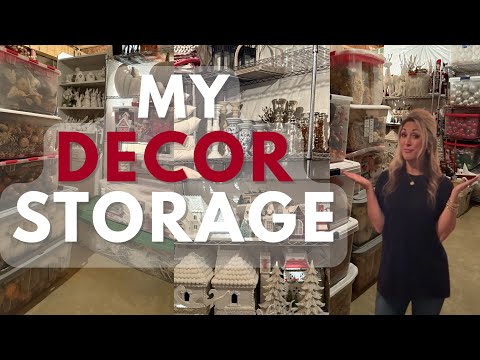
When your living space starts to feel cluttered, the answer isn’t always to move to a bigger home — it’s to master at home storage. Whether you’re living in a cozy apartment, a mid-sized suburban house, or a sprawling property with a detached garage, smart storage solutions can transform how you use every square inch. At-home storage isn’t just about stuffing things into bins and forgetting about them. It’s a deliberate practice that combines organization, design thinking, and practical product selection to create a home that feels calm, functional, and intentional.
Why At-Home Storage Has Become a Top Priority for Homeowners
The modern household generates more stuff than ever before. From seasonal clothing and sporting equipment to electronics, hobby supplies, and paperwork, the average American home contains roughly 300,000 items. That staggering number explains why home storage solutions have exploded in popularity over the last decade. People aren’t just looking for a place to hide clutter — they want systems that make daily life smoother, reduce stress, and protect their belongings from damage.
Effective at-home storage also ties directly into mental well-being. Research from the National Association of Professional Organizers shows that clutter contributes to elevated cortisol levels and decreased productivity. When you invest in thoughtful storage organization, you’re not just tidying up — you’re creating a healthier living environment.

Types of At-Home Storage Solutions
Indoor Storage Ideas for Every Room
Indoor storage is where most people start their organizing journey. The key is to leverage vertical space, underutilized areas, and multi-functional furniture pieces that do double duty.
- Under-bed storage bins — Ideal for off-season clothing, bedding, and shoes. These pull-out or slide-in containers capitalize on dead space that most people completely ignore.
- Over-the-door organizers — Perfect for bathrooms, hallways, and closets. They hold shoes, cleaning supplies, toiletries, or office materials without taking any floor space.
- Floating shelves — Wall-mounted shelves keep books, decor, and small items off counters and tables, freeing up valuable surface area.
- Ottomans and storage benches — Furniture with hidden compartments serves both as seating and as a discreet storage unit.
- Closet organizer systems — Adjustable shelving, hanging rods, and drawer inserts can completely transform a standard closet into a highly efficient storage zone.
Outdoor Storage Options
Don’t overlook exterior spaces when planning your home storage strategy. A well-organized garage, shed, or patio area can free up significant indoor square footage.
- Garage storage racks and overhead hoists — Ceiling-mounted racks store bikes, luggage, and seasonal items above your head, keeping the floor clear.
- Weatherproof shed cabinets — These protect garden tools, power equipment, and outdoor furniture from moisture and temperature extremes.
- Vertical fence-mounted storage — Wall-mounted racks and magnetic strips on fences keep tools, hoses, and sports gear accessible yet out of the way.
- Deck and porch storage boxes — Weather-resistant benches with lift-up seats offer hidden storage for cushions, gardening supplies, and toys.
Room-by-Room Storage Strategies
Kitchen
The kitchen is often the most cluttered room in any home. Pull-out drawer organizers for pots and pans, magnetic spice racks on the refrigerator, and under-sink caddies can dramatically improve kitchen organization. Stackable shelf risers inside cabinets instantly double your storage capacity without purchasing new furniture.
Bedroom and Closet
Closet organization systems are a game-changer for bedroom storage. Consider adding a second hanging rod at a shorter height to double your hanging capacity. Drawer dividers keep socks, underwear, and accessories neat. For seasonal items like winter coats and summer dresses, vacuum-seal storage bags reduce volume by up to 75%.
Home Office
With remote work becoming permanent for millions, a well-organized home office is essential. Cable management trays, wall-mounted file holders, and rolling desk carts with multiple tiers keep supplies within reach but off your desktop. Label makers are an underrated tool — labeling bins, folders, and drawers makes retrieval instant.
Living Room and Family Areas
In common areas, the goal is invisible storage. Media consoles with built-in drawers, lift-top coffee tables, and decorative baskets on bookshelves let you store items without sacrificing aesthetic appeal. A labeled bin system for toys in family rooms keeps clutter contained and makes cleanup faster for kids.
Choosing the Right Storage Products: A Comparison Guide
Not all storage products are created equal. The best choice depends on your space, budget, and what you’re storing. Here’s a detailed comparison of popular at-home storage options.
| Product Type | Best For | Avg. Cost Range | Durability | Space Efficiency |
| Plastic Bins with Lids | Seasonal clothing, memorabilia, pantry overflow | $5 – $25 each | Medium | High (stackable) |
| Fabric Closet Organizers | Shoes, accessories, folded items | $15 – $60 | Medium | High (collapsible) |
| Metal Shelving Units | Garage, workshop, pantry bulk items | $30 – $150 | High | Medium |
| Vacuum-Seal Bags | Bulky clothing, bedding, winter gear | $10 – $30 per set | Single use | Very High |
| Modular Wall Systems | Tools, craft supplies, office equipment | $40 – $200+ | High | Very High (vertical) |
| Under-Bed Rolling Drawers | Shoes, out-of-season clothes, linens | $20 – $50 each | Medium-High | Excellent (hidden space) |
When selecting products, prioritize airtight containers for pantry items and moisture-sensitive belongings. For garage and outdoor storage, metal or heavy-duty plastic outperforms basic bins in longevity and load-bearing capacity.
Expert Tips for Maximizing Your Storage Space

Even the best storage products underperform if they’re deployed without a strategy. Here are proven techniques that professional organizers use to get the most out of every space.
- Apply the “one in, one out” rule. Every time something new enters your home, something else leaves. This prevents storage creep — the gradual accumulation that makes even well-organized spaces feel cramped within months.
- Store items by frequency of use. Everyday items belong at eye level or within arm’s reach. Seasonal and occasional-use items go up high or down low. This principle, called “activity-based zoning,” dramatically reduces the time you spend searching for things.
- Use clear or labeled containers. Opaque bins force you to dig through everything to find what you need. Transparent bins or clearly labeled opaque containers eliminate guesswork and maintain order over time.
- Think vertically, then vertically again. Stack bins on shelves, mount hooks on walls, and use tension rods inside cabinets to create additional tiers. The vertical plane is your greatest untapped resource.
- Declutter before you organize. No amount of clever storage will fix a space full of items you don’t need or use. Run a ruthless purge first — donate, sell, or recycle — then build your storage systems around what actually matters.
- Reassess seasonally. Every three to six months, evaluate what’s working and what isn’t. Storage needs change as seasons shift, families grow, and hobbies evolve. Your storage setup should evolve with them.
Frequently Asked Questions
What is the best at-home storage solution for small apartments?
For small apartments, the most effective approach combines multi-functional furniture — such as beds with built-in drawers or ottomans with hollow interiors — with vertical storage solutions like wall-mounted shelves and over-the-door organizers. The goal is to maximize every surface and eliminate wasted space. Under-bed rolling containers and hanging closet organizers are especially valuable in compact living situations because they use areas that are otherwise completely unutilized.
How do you organize garage storage for a home with kids and pets?
Garage storage in a family home requires a balance between accessibility and safety. Install a locking wall cabinet for hazardous materials like chemicals and sharp tools. Use clear, stackable bins for kids’ sports equipment and toys so items are easy to identify without climbing or digging. designate a low, open-shelf zone for frequently accessed items like bikes and pet supplies, keeping heavier or dangerous tools on higher, secured racks. A pegboard with labeled hooks is one of the most versatile and cost-effective garage storage solutions for busy households.
What are affordable home storage ideas that actually work?
Some of the most budget-friendly yet effective storage ideas include using tension rods inside cabinets to create double shelf space, repurposing mason jars for pantry organization, installing a basic pegboard for tool and supply storage, and using large zippered garment bags for seasonal coats and bedding. Dollar-store baskets, Command hooks, and stackable crate organizers also deliver excellent results without a significant investment. The key is consistency — matching containers to a uniform size and labeling system makes any affordable solution far more effective.
How can I improve my home storage without buying new products?
You can dramatically improve home storage organization without spending a dime by rethinking how you currently use your space. Remove the shelves from a deep closet to create two shallower but more accessible sections. Use tension rods inside doors to hang items. Repurpose old suitcases as decorative storage. Rearrange furniture to expose hidden wall space. And create a simple “donation station” by placing a box near your front door — anything you haven’t used in 90 days goes straight into it. These zero-cost strategies often deliver more lasting impact than purchasing new products.
What is the difference between at-home storage and self-storage?
At-home storage refers to organizing and storing items within your own living space — including garages, basements, closets, attics, and sheds. Self-storage involves renting an external unit, typically at a facility, to keep belongings off your property. At-home storage is more convenient and keeps items within easy reach, but it requires disciplined organization to prevent clutter from taking over your living areas. Self-storage works best for items you rarely need but want to preserve, such as archived documents, recreational vehicles, or pieces of furniture during a home renovation.
Conclusion
Mastering at-home storage is one of the highest-impact improvements you can make to your daily quality of life. It’s not about having the fanciest organizers or the biggest garage — it’s about building systems that match how you actually live. Start with decluttering, choose storage solutions that fit your space and budget, apply expert techniques like activity-based zoning and vertical stacking, and revisit your setup regularly. The goal isn’t perfection. It’s a home that feels spacious, peaceful, and easy to navigate every single day. With the right strategy and the right products, even the smallest living space can become a model of calm, functional organization.