


Creating a stunning backyard garden design is one of the most rewarding investments a homeowner can make. Whether you dream of a peaceful retreat filled with fragrant blooms or a functional outdoor kitchen surrounded by lush greenery, the way you plan and execute your backyard garden design determines everything from curb appeal to daily enjoyment. This comprehensive guide walks you through proven strategies, expert tips, and actionable steps that transform any ordinary outdoor space into a personalized landscape masterpiece.
Why Backyard Garden Design Deserves Your Full Attention
A thoughtfully designed backyard does more than look beautiful. It increases property value, creates functional living zones, supports local pollinators, and provides a natural stress-relief space right outside your door. Many homeowners underestimate the impact of intentional outdoor space planning, jumping straight into planting without considering flow, sunlight patterns, or how each garden zone will be used throughout the year. Investing time in a deliberate design process saves money, reduces maintenance headaches, and delivers a space that works harmoniously with your lifestyle.
Assessing Your Backyard: The Foundation of Great Design
Before you sketch a single layout, take a thorough look at what you are working with. Understanding your site conditions is the single most important step in any backyard landscaping project.
Evaluate Sunlight and Shade Patterns
Spend a full day observing how sunlight moves across your yard. Note which areas receive full sun (six or more hours), partial shade, or deep shade. This observation directly affects which plants will thrive and where you should position seating areas or vegetable beds.

Analyze Soil, Drainage, and Grading
Healthy garden design starts beneath the surface. Test your soil pH and texture, identify any drainage problems where water pools after rain, and understand the natural slope of your land. Poor drainage can ruin even the most elegant garden layout, so addressing grading issues early is critical.
Measure and Map Existing Features
Create a basic plot map of your yard that includes the house footprint, property lines, existing trees, utility lines, fences, and any permanent structures. This map becomes your reference point for experimenting with different design concepts without guessing.
Core Principles of Backyard Garden Design
Understanding foundational design principles helps you make confident decisions at every stage of the planning process.
1. Unity and Cohesion
Your backyard should feel like a single, intentional space rather than a collection of random patches. Repeat plant colors, textures, and materials across different zones to create visual continuity. A consistent color palette or recurring hardscape material ties the entire landscape together.
2. Balance and Proportion
Balance refers to how visual weight is distributed across your yard. Symmetrical balance mirrors elements on either side of a central axis, while asymmetrical balance uses contrasting elements of equal visual weight. Proportion ensures that garden features match the scale of your property — a massive stone wall overwhelms a small backyard, while delicate plants get lost in a large open space.
3. Focal Points and Sight Lines
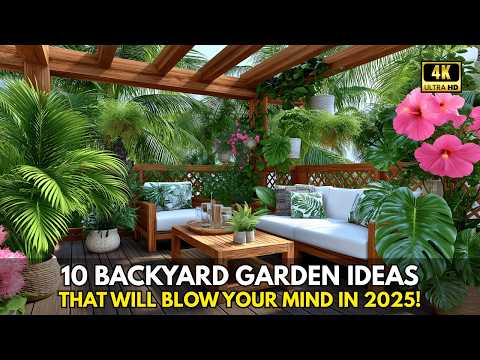
Every great garden design includes at least one focal point that draws the eye. This could be a sculptural element, a water feature, a specimen tree, or a beautifully crafted garden bench. Strategically placed focal points guide movement through the space and create a sense of discovery as you move from one area to the next.
4. Layering and Depth
Professional landscape designers think in layers. Place tall background plants, mid-height shrubs in the middle ground, and low-growing ground covers or border plants at the front. This layered approach adds dimension, creates year-round interest, and maximizes planting space in smaller yards.
Popular Backyard Garden Design Styles to Explore
The right style reflects your personal taste, regional climate, and how you want to use your outdoor space. Here are some of the most sought-after approaches.
| Style | Best For | Key Characteristics |
| Cottage Garden | Romantic, informal spaces | Dense plantings, mixed perennials, curved pathways, nostalgic charm |
| Modern Minimalist | Clean, structured landscapes | Geometric lines, limited plant palette, architectural hardscape, negative space |
| Japanese Zen Garden | Tranquility and meditation | Raked gravel, moss, stone lanterns, minimalist plant selection, water elements |
| Cottage-Modern Hybrid | Versatile family spaces | Combines relaxed planting with clean edges and structured outdoor furniture |
| Edible Landscape | Productive and decorative | Raised beds, companion planting, kitchen garden zones integrated with ornamentals |
| Native Plant Garden | Low-maintenance eco-spaces | Regionally adapted species, pollinator support, drought tolerance, naturalistic drifts |

Each style can be adapted to fit small backyard gardens or expansive landscapes. The key is choosing elements that resonate with your vision and local climate conditions.
Step-by-Step Backyard Garden Design Process
- Define your goals and budget. Write down exactly how you want to use the space — dining, relaxing, gardening, entertaining, or a combination. Set a realistic budget that accounts for materials, plants, labor, and potential professional design fees.
- Create a base map. Use graph paper or a digital garden design tool to draft your property boundaries, existing structures, and key measurements at scale.
- Identify functional zones. Divide your backyard into distinct areas such as a dining patio, a flower border, a play zone, or a quiet reading nook. Allocate space based on priority.
- Sketch the hardscape first. Patios, pathways, retaining walls, and fences form the bones of your design. Decide on materials — natural stone, pavers, composite decking, or gravel — before placing plants.
- Plan your planting layers. Select trees and large shrubs as the structural framework, then fill in with mid-height perennials, ornamental grasses, and ground covers. Consider bloom times so your garden offers color across multiple seasons.
- Add lighting and irrigation. Outdoor lighting extends usability into the evening and highlights key design features. A smart drip irrigation system conserves water and keeps plants healthy with minimal effort.
- Review, refine, and build. Step back from your plan, make adjustments, and then begin construction starting with the hardest elements first.
Plant Selection Strategies That Last
Choosing the right plants is where many backyard garden designs succeed or fail. Prioritize species suited to your plant hardiness zone and microclimates within your yard. Select a mix of evergreen and deciduous plants so your garden retains structure even in winter. Consider mature plant sizes carefully — overcrowding leads to constant pruning and increased disease pressure.
For continuous seasonal interest, layer bloom times so something is always performing:
- Spring: Tulips, daffodils, flowering quince, and hellebores
- Summer: Lavender, coneflowers, black-eyed Susans, and hydrangeas
- Fall: Japanese maples, asters, sedums, and ornamental grasses
- Winter: Evergreens, winterberry holly, witch hazel, and bark-textured trees
Mixing textures — broad-leaved plants next to fine grasses, glossy foliage beside matte surfaces — adds visual complexity that keeps your garden engaging even when flowers are not present.
Hardscaping and Outdoor Living Integration
Hardscape elements define the structure of your garden and provide the surfaces where you actually spend time outdoors. A well-designed patio creates an immediate transition from indoor living to the garden. Pathways guide movement and invite exploration. Retaining walls add dimension to sloped yards and create terraced planting areas that maximize space.
Consider integrating outdoor kitchen features, fire pits, or water fountains into your design. These elements serve as both functional amenities and visual anchors that elevate the entire backyard experience. When selecting hardscape materials, choose options that complement your home’s architecture and local environmental conditions.
Small Backyard Garden Design Tips
Limited square footage does not mean limited potential. In fact, small space garden design demands more creativity and precision.
- Use vertical gardening — trellises, wall-mounted planters, and espaliered trees add greenery without consuming floor space.
- Employ mirrors and light-colored surfaces to create an illusion of greater depth.
- Design multi-functional zones — a bench that doubles as storage, a planter that edges a pathway.
- Keep pathways narrow and use continuous materials to unify the space visually.
- Choose a restrained plant palette of fewer species, each selected for strong form and seasonal impact.
These strategies ensure that even compact backyards feel expansive, intentional, and deeply personal.
Common Mistakes to Avoid in Backyard Garden Design
- Skipping the planning phase. Jumping into purchases without a plan leads to wasted money and a disjointed landscape.
- Ignoring mature plant sizes. Plants placed too close together compete for resources and require constant maintenance.
- Overlooking maintenance commitments. Choose a design complexity level you can realistically sustain week after week.
- Neglecting privacy and noise. Incorporate strategic fencing, dense hedging, or water features to buffer unwanted sights and sounds.
- Using too many colors or styles. Restraint creates elegance. Limit your primary plant colors to three or four for a cohesive look.
Frequently Asked Questions About Backyard Garden Design
What is the best backyard garden design for a complete beginner?
Start with a simple cottage-style or native plant garden. These approaches forgive minor planning errors, require less intensive maintenance, and deliver quick visual results. Focus on creating clear pathways, choosing a limited plant palette, and establishing at least one strong focal point to anchor the design.
How much does it typically cost to design a backyard garden?
Costs vary widely depending on yard size, materials, and whether you hire a professional landscape designer. Basic DIY backyard garden projects may cost $500 to $2,000 for plants and materials. Hiring a professional for a comprehensive design plan typically ranges from $500 to $5,000, with full installation budgets starting around $3,000 and climbing significantly based on hardscape complexity.
What is the best time of year to start a backyard garden design project?
Late fall or early winter is ideal for planning and design work because you can observe the bare structure of your yard without foliage distractions. Construction and planting typically begin in early spring after the last frost, though fall planting is excellent for establishing perennials and trees before the dormant season.
How do I make my small backyard garden design look bigger than it is?
Use diagonal pathways, employ graduated plant heights that draw the eye upward, incorporate reflective surfaces, and keep hardscape lines clean and uncluttered. Avoid fencing that breaks sight lines — instead, use open fencing or hedge plants that maintain visual continuity across the space.
Can I design a backyard garden myself or should I hire a professional?
Many homeowners successfully design their own gardens using online planning tools and inspiration from gardens in their region. However, hiring a landscape designer is worthwhile for complex sites with significant grading challenges, drainage problems, or when you want a highly customized outdoor living space with integrated hardscape and irrigation systems.
Final Thoughts: Designing a Backyard That Feels Like Home
A great backyard garden design is never just about plants — it is about crafting an experience. Every pathway, every planting bed, every material choice should serve your daily life and reflect who you are. Start with honest assessment of your site, commit to a clear vision, and build your garden in thoughtful phases. The most beautiful landscapes are not completed overnight; they evolve, mature, and deepen in character over years of attentive care. Trust the process, enjoy the journey, and let your outdoor space become the living room you never knew you needed.