


Transforming your outdoor living space starts with one critical decision: choosing the right backyard outdoor furniture. Whether you are designing a cozy retreat for weekend relaxation or building an entertainment-ready patio for hosting summer gatherings, the furniture you select sets the foundation for every moment you spend outside. The market today offers an extraordinary range of materials, styles, and price points, which makes the selection process both exciting and overwhelming. This guide walks you through everything you need to know about selecting, arranging, and maintaining outdoor pieces that will last for years while elevating the look and feel of your backyard.
The Complete Guide to Choosing Backyard Outdoor Furniture

Before you browse catalogs or visit showrooms, take time to evaluate what you actually need from your outdoor space. Consider the primary purpose of your backyard. Are you planning intimate family dinners, lively pool parties, or quiet morning coffee sessions? Each use case demands a different approach to furniture selection.
Understanding Different Material Options
The material you choose directly impacts durability, aesthetics, comfort, and maintenance requirements. Here are the most popular options for backyard outdoor furniture and what makes each one stand out:
- Teak Wood: Naturally resistant to moisture, rot, and insects. Teak develops a beautiful silver-gray patina over time if left untreated, but it can be oiled to maintain its golden hue.
- Aluminum: Lightweight, rust-resistant, and incredibly versatile. Aluminum frames support cushions beautifully and are easy to reposition for different occasions.
- Wicker and Rattan: Synthetic versions made from polyethylene (PE) resin offer the timeless woven look with exceptional UV and weather resistance.
- Steel and wrought iron: Extremely durable and sturdy, ideal for dining sets and heavy-use areas. They do require protective coatings to prevent rust.
- Cedar and Cypress: Naturally untreated woods that resist decay well and offer a warm, rustic appearance for casual outdoor spaces.
Best Furniture Styles for Different Backyard Sizes
Space planning is often overlooked, yet it is arguably the most important step in creating a functional backyard layout. A small courtyard needs compact, multifunctional pieces, while a large property can accommodate full dining zones and separate lounge areas.
- Small Backyards (under 200 sq ft): Choose foldable bistro sets, wall-mounted benches, or nesting chairs that save space when not in use. A small café table paired with two lightweight chairs creates a charming reading nook without crowding the area.
- Medium Backyards (200-500 sq ft): A four-person dining set combined with a sectional sofa or a hammock chair balances dining and lounging needs perfectly.
- Large Backyards (500+ sq ft): You can design distinct zones — a dining area near the kitchen, a lounge zone near a fire pit, and a conversation area with a coffee table and oversized chairs.
Top Material Types Compared
To help you make an informed decision, here is a side-by-side comparison of the leading backyard outdoor furniture materials across key performance categories.
| Material | Durability | Weather Resistance | Maintenance Level | Price Range |
| Teak Wood | Excellent (20+ years) | Outstanding | Low to moderate | Premium |
| Aluminum | Very Good (10-15 years) | Excellent | Very low | Mid-range |
| PE Wicker | Good (7-12 years) | Very Good | Low | Mid-range |
| Wrought Iron | Excellent (15+ years) | Good (with coating) | Moderate | Mid to high |
| Cedar | Good (8-15 years) | Good | Moderate | Budget-friendly |
| Plastic/Resin | Fair (3-7 years) | Good | Very low | Budget-friendly |
The comparison table above reveals that no single material dominates every category. Your decision should align with your budget, aesthetic preferences, and how much time you are willing to invest in upkeep.
How to Arrange Your Backyard Furniture for Maximum Comfort
Even the most expensive outdoor patio furniture will underperform if placed without thought. Start by identifying the focal point of your backyard — it could be a fire pit, a garden feature, a swimming pool, or even a stunning view through a hedge. Arrange seating to face that focal point, which naturally draws people together and creates an inviting atmosphere.
Leave enough walking space between furniture pieces. A minimum of 30 inches between chairs and tables ensures comfortable movement, especially when carrying food or drinks. For outdoor dining sets, allow at least 36 inches behind each chair so diners can pull out comfortably without bumping into other furniture or plant beds.
Expert tip: Add outdoor rugs beneath seating clusters to define zones and anchor the arrangement visually. This simple trick transforms an arbitrary lawn setup into a polished, intentional outdoor room.
Seasonal Care and Maintenance Tips
Protecting your investment starts with consistent seasonal care. Different materials require different approaches, but some universal practices apply across the board.
- Spring: Deep clean all pieces with mild soap and water. Inspect cushions for mold or mildew, and check metal frames for any signs of rust or loose joints.
- Summer: Use UV-protective furniture covers when pieces are not in use during peak sun hours. Rearrange cushions regularly to prevent uneven fading.
- Fall: Remove cushions and store them in a dry, climate-controlled space. Sweep debris off wooden surfaces and apply protective sealants to untreated woods.
- Winter: If you live in a region with heavy snow and freezing temperatures, store lightweight furniture indoors or cover heavy pieces with waterproof, breathable covers.
Investing in high-quality outdoor furniture covers extends the lifespan of your pieces dramatically, even for the most weather-resistant materials like teak and aluminum.
Budget-Friendly vs Premium: What Is Worth the Investment?
When shopping for outdoor backyard furniture, price does not always equal quality, but it often signals better engineering and longer-lasting materials. Here is a practical breakdown of where to spend more and where you can save.
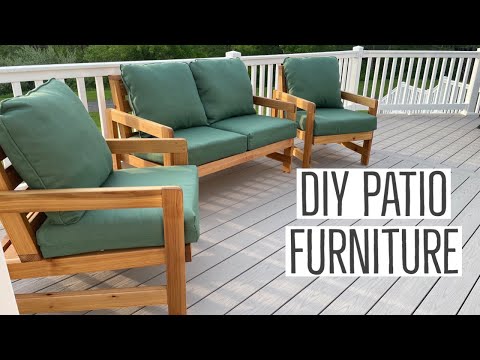
Worth the premium investment:
- Teak dining tables and chairs — they genuinely last decades
- High-density PE wicker with aluminum frames — offers the best of both worlds in durability and aesthetics
- Quality outdoor cushions with UV-resistant, quick-dry fabric — comfort and longevity depend on this
Where you can save money:
- Plastic resin chairs for occasional-use areas like a guest seating zone
- Decorative accessories and side tables made from powder-coated steel
- Budget fire pit tables for spaces where you entertain mainly during warmer months
The smartest approach is a hybrid strategy: invest heavily in pieces that anchor your main entertaining area and opt for more affordable options in secondary zones.
Frequently Asked Questions
What is the best backyard outdoor furniture for rainy climates?
Aluminum and powder-coated steel are the top choices for rainy climates because they do not absorb moisture and resist rust when properly coated. Pair them with quick-dry, mold-resistant cushions for all-season use. Avoid untreated wood and fabric-heavy designs in consistently wet environments.
How long does quality backyard outdoor furniture typically last?
With proper care and maintenance, premium teak furniture can last 20 to 30 years or more. Aluminum and wrought iron sets typically endure 10 to 15 years, while PE wicker and cedar pieces last between 7 and 15 years depending on exposure to elements and maintenance frequency.

Can I leave my outdoor furniture outside year-round?
It depends on the material. Teak, aluminum, and wrought iron with protective coatings can handle year-round outdoor exposure. However, cushions, fabrics, and untreated wood should ideally be stored indoors during harsh weather. Using breathable furniture covers helps protect pieces that remain outside during off-seasons.
What are the best color options for backyard outdoor furniture?
Neutral tones like charcoal gray, warm beige, deep navy, and olive green remain the most versatile and timeless choices. These colors complement virtually any landscaping style and hide stains and fading better than lighter shades. Bold accent colors on cushions or accessories allow you to refresh the look seasonally without replacing entire sets.
How do I make a small backyard feel bigger with outdoor furniture?
Use light-colored furniture pieces, opt for transparent or slender-profile chairs made from acrylic or thin aluminum, and choose nesting tables over bulky side tables. Mirrors placed strategically on fences and vertical planters draw the eye upward and create an illusion of expanded space. Keeping the layout open and avoiding overcrowding is the single most effective trick.
What cushions work best for outdoor furniture exposed to direct sunlight?
Look for cushions specifically labeled with Sunbrella or Outdura fabric technology. These materials feature UV inhibitors and water-repellent treatments that prevent fading and moisture absorption. High-density foam cores outperform standard polyester fill because they resist sagging and hold their shape through repeated seasons of use.
Final Thoughts
Selecting the right backyard outdoor furniture is a blend of practical planning and personal expression. Focus on materials that suit your climate, arrange pieces with intention, and invest in quality where it matters most. With the right approach, your outdoor space becomes an extension of your home — a place where every season offers something worth sitting down for.