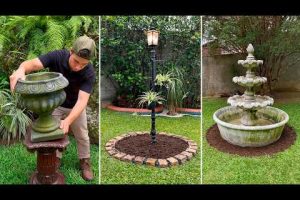
Designing a garden is one of the most rewarding projects a homeowner can undertake. Whether you are transforming a tiny backyard patio or reimagining a sprawling landscape, a well-thought-out garden design brings together aesthetics, functionality, and the joy of working with living plants. The process is not simply about picking flowers and arranging them—it involves understanding your environment, planning spatial relationships, selecting the right plant palette, and creating outdoor rooms that reflect your personal style. This comprehensive guide walks you through every stage of how to design a garden, from the first sketch to the final planting, with actionable advice that serves beginners and seasoned gardeners alike.
Understanding the Foundations of Garden Design
Before you pick up a shovel or order a single plant, the most important step in garden design is understanding the foundational elements that shape every decision you will make. Many beginners skip straight to the aesthetic phase and wonder why their garden feels disjointed a season later. A successful design starts with honest observation and strategic planning.
Assessing Your Garden Space
Every outdoor space has unique characteristics that dictate what will thrive there. Start by spending a full day observing sunlight patterns across your yard. Note which areas receive full sun for six or more hours, which get partial shade, and which remain shaded throughout the day. This sun mapping exercise is essential because it directly determines which plants will flourish and where they should be placed.
Next, evaluate your soil type. Is it heavy clay, sandy, loamy, or rocky? Perform a simple drainage test by digging a hole, filling it with water, and timing how quickly it empties. Understanding your soil pH and nutrient levels through a home testing kit or a professional soil test will save you time and money in the long run. These factors are not cosmetic—they are the bedrock of a healthy, productive garden.
Identifying Your Personal Garden Style
Garden design is deeply personal. Some homeowners gravitate toward a formal English cottage garden overflowing with romantic blooms, while others prefer the clean lines of a modern minimalist landscape. To find your style, collect inspiration images, browse platforms like Pinterest and garden catalogs, and notice recurring themes. Are you drawn to wildflower meadows, structured vegetable plots, Japanese zen gardens, or Mediterranean-style plantings with gravel and lavender?
Consider how you actually use your outdoor space. Do you host dinner parties and need a paved entertaining area? Do you have children or pets who need open lawn? Do you want a quiet retreat for reading and meditation? Answering these questions ensures your garden design serves your lifestyle, not just your imagination.
Step-by-Step Process to Design a Garden

The design process becomes far less overwhelming when you break it into manageable phases. Each step builds on the previous one, creating a clear path from concept to completion.
Creating a Garden Layout Plan
Begin by measuring your garden area and drawing it to scale on graph paper or using free garden design software like SketchUp or Garden Planner. Mark existing features such as fences, walls, trees, utility lines, and drainage points. Then divide your space into functional zones—entertaining areas, planting beds, pathways, and relaxation corners.
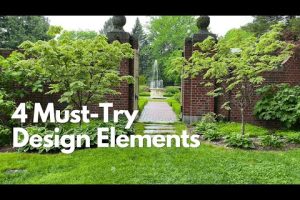
A crucial principle in layout design is establishing a focal point. This could be a specimen tree, a water feature, a garden bench, or a sculptural element. The focal point draws the eye and gives your garden a sense of purpose. Arrange secondary elements around it using the rule of odds—grouping plants and features in threes or fives creates a more natural, visually appealing composition than even numbers.
Choosing Plants and Hardscape Materials
Selecting plants requires balancing color, texture, height, bloom time, and seasonal interest. Aim for a mix of evergreens for year-round structure, flowering shrubs for seasonal color, perennials for reliable low-maintenance interest, and annuals for instant impact. Consider the mature size of each plant to avoid overcrowding later.
Hardscape elements—paths, patios, walls, and edging—provide the architectural framework of your garden. Common materials include natural stone, brick, gravel, reclaimed wood, and concrete pavers. Each material carries a different cost, maintenance requirement, and visual weight. Choose materials that complement your home’s architecture and your chosen garden style.
Core Design Principles That Elevate Any Garden
Professional landscape designers rely on a set of timeless principles that apply whether you are designing a balcony container garden or an estate-scale landscape. Understanding these concepts transforms a random collection of plants into a cohesive outdoor space.
- Unity and Harmony: Repeat colors, textures, shapes, or plant species throughout your garden to create visual consistency. A repeating motif—such as lavender borders or round river stones—ties the entire space together.
- Balance and Symmetry: Formal gardens use symmetrical balance, mirroring elements on either side of a central axis. Informal gardens achieve balance through visual weight, placing larger or darker plants strategically to create equilibrium.
- Proportion and Scale: Plant sizes and hardscape features should relate proportionally to the overall garden and to each other. A massive oak tree overwhelms a small courtyard, while tiny groundcovers get lost in a large open lawn.
- Rhythm and Movement: Repetition of plant forms, colors, or structural elements guides the eye through the garden. Pathways, curving borders, and graduated plant heights all create a sense of movement and discovery.
- Contrast and Focalization: Pairing opposites—such as fine-textured ferns against bold-leaved hostas, or soft pink flowers against deep purple—creates visual tension that makes the garden exciting and memorable.
Comparing Popular Garden Design Styles
Choosing a design style gives your project direction and coherence. Below is a comparison of five widely loved garden styles to help you identify the approach that best suits your property and personality.
| Style | Key Features | Best Suited For | Maintenance Level |
| Cottage Garden | Dense planting, mixed borders, fragrant flowers, winding paths | Small to medium yards, traditional homes | Moderate to High |
| Modern Minimalist | Clean lines, architectural plants, limited color palette, gravel surfaces | Urban spaces, contemporary homes | Low to Moderate |
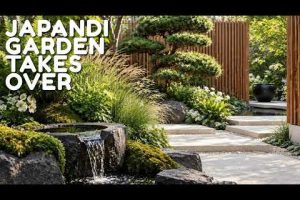
| Japanese Zen Garden | Raked gravel, moss, carefully placed stones, water features | Small to medium spaces, meditation focus | Moderate |
| Mediterranean | Terracotta, drought-tolerant plants, olive trees, aromatic herbs | Warm climates, sunny exposures | Low |
| Wildflower Meadow | Native grasses, self-seeding flowers, naturalistic drifts | Large open areas, eco-friendly gardens | Low (after establishment) |
Each style carries a distinct mood and maintenance demand. The cottage garden rewards frequent deadheading and seasonal replanting, while a Mediterranean design thrives on neglect once established. Be honest about the time and energy you can invest—choosing a style that matches your commitment level is the single best predictor of long-term garden success.
Expert Recommendations for Every Skill Level
Beginner-Friendly Strategies
If you are new to garden design, start with a simple layout featuring a limited plant palette. Choose five to seven versatile species that work well in your climate and provide interest across multiple seasons. A strong foundation of structural evergreens paired with seasonal flowering perennials gives your garden year-round appeal without overwhelming complexity. Invest in quality soil amendment early—compost, aged manure, and organic mulch make an enormous difference in plant health and reduce long-term maintenance.
Intermediate Design Techniques

Intermediate gardeners can experiment with layering, where plants are arranged in vertical tiers—tall specimens at the back, mid-height perennials in the center, and low-growing groundcovers at the front. Introduce hardscape features like dry-stacked stone walls or curved decomposed granite paths to add structure. Consider seasonal rotation, replacing annuals and container plants to keep the garden feeling fresh year after year.
Advanced Garden Design Concepts
Advanced designers focus on microclimates, creating specialized planting pockets that exploit variations in moisture, wind exposure, and temperature across the property. Incorporate rain gardens to manage stormwater, wildlife gardens to support pollinators, and multi-season interest planting schemes that ensure no month passes without visual appeal. Advanced gardeners also experiment with edible landscaping, integrating productive vegetables and fruit trees into ornamental beds for a beautiful and functional design.

Frequently Asked Questions About Garden Design
How do I start designing a garden from scratch on a budget?
Begin with a free garden plan drawn on graph paper and focus on cost-effective strategies like growing plants from seed, swapping divisions with neighbors, and using recycled materials for edging and pathways. Prioritize soil improvement first—healthy soil reduces the need for expensive fertilizers and replacements later. Start with a small section and expand gradually as your confidence and budget grow.
What are the best plants for small garden design ideas?
For compact spaces, choose plants with multiple seasons of interest and compact habits. Dwarf ornamental grasses, lavender, hydrangea paniculata, hellebores, and native salvia offer beauty without overwhelming a small garden. Vertical gardening techniques—trellises, wall-mounted planters, and tiered containers—maximize growing space without sacrificing square footage.
How do I plan a garden layout for full sun and partial shade areas?
Map your garden’s light conditions using a simple observation method over several days. Place sun-loving vegetables, roses, and Mediterranean herbs in full-sun zones, and reserve shaded borders for hostas, ferns, astilbe, and hellebores. Remember that light patterns shift with the seasons—what is shaded in summer may receive full sun in winter as deciduous trees lose their leaves.
What is the best approach to designing a low-maintenance garden?
Choose drought-tolerant, native, or adapted plant species that are well-suited to your region’s climate. Replace high-maintenance lawn areas with permeable hardscape or groundcover plantings. Install a drip irrigation system on a timer, and use a thick layer of organic mulch to suppress weeds and retain moisture. Group plants with similar water needs together to streamline care routines.
How can I make my garden design more sustainable and eco-friendly?
Prioritize native plants that support local pollinators, birds, and beneficial insects. Reduce or eliminate chemical pesticides and fertilizers in favor of compost, integrated pest management, and biological controls. Install a rain barrel or rain garden to capture and filter stormwater runoff. Compost kitchen scraps and garden waste to build soil fertility naturally and reduce landfill contributions.
Conclusion: Bringing Your Garden Vision to Life
Designing a garden is a deeply personal creative journey that rewards patience, observation, and thoughtful planning. Whether you are sketching your first layout on paper or refining an established landscape, the principles of good design remain the same—understand your space, choose a coherent style, apply timeless design principles, and select plants and materials that work in harmony with your climate and lifestyle. Start small, stay curious, and remember that every great garden evolves over time. The most beautiful gardens are never finished; they are living artworks that grow, adapt, and surprise their creators year after year. Trust the process, enjoy the hands-on work, and let your garden become a true reflection of who you are.