


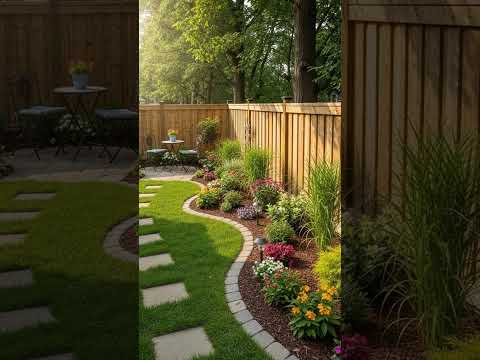
There’s something genuinely transformative about turning a plain, overlooked stretch of grass into a thriving back yard garden that feeds your family, attracts pollinators, and becomes the envy of the neighborhood. Whether you’re working with a compact urban lot or a sprawling suburban plot, back yard gardening ideas have evolved far beyond basic vegetable rows and flower borders. Today’s homeowners are embracing creative raised beds, pollinator-friendly native plantings, container gardens, vertical growing systems, and even food forests that turn modest outdoor spaces into productive, beautiful sanctuaries. The best part? You don’t need a degree in horticulture or a massive budget to get started. This guide walks you through proven strategies, practical tips, and expert-backed approaches so you can design, plant, and maintain a back yard garden that thrives in every season.
Why Back Yard Gardening Is Worth Your Time and Effort
The benefits of cultivating a garden right outside your back door extend well beyond fresh tomatoes and fragrant herbs. Research consistently shows that gardening reduces stress, improves mood, encourages physical activity, and strengthens your connection to the food you eat. A well-planned back yard garden also increases your property value, supports local ecosystems, and reduces your grocery bill over time. Unlike indoor houseplants or balcony containers, a full back yard gives you the room to experiment with companion planting, crop rotation, perennial borders, and even small orchard plantings. The key is matching your garden design to your lifestyle, climate zone, and the amount of sunlight your space actually receives.
Assessing Your Space Before You Plant
Every successful back yard garden starts with honest observation. Walk through your outdoor area at different times of day and note where sunlight pools for six or more hours, where shade dominates, and where water naturally collects. These observations determine what you can grow and where. Spend a weekend tracking your yard’s microclimates with a simple notebook or a free sun-mapping app. This small investment of time pays enormous dividends when planting season arrives.
Top Back Yard Gardening Ideas for Every Skill Level

Whether you are a complete beginner or a seasoned green thumb, there are back yard gardening ideas perfectly suited to your experience and ambition. Below, we break down approaches by difficulty so you can jump in confidently.
Beginner-Friendly Back Yard Garden Ideas
If you have never planted anything beyond a houseplant, start with these low-risk, high-reward strategies:
- Raised Bed Gardens: Frame a simple 4×8-foot bed with untreated lumber, fill it with quality soil mix, and plant easy crops like lettuce, radishes, bush beans, and zucchini. Raised beds warm up faster in spring, drain well, and keep weeds manageable.
- Container Gardening: Grow tomatoes, peppers, strawberries, and herbs in pots on your patio or along a fence line. Containers let you move plants to follow the sun and are perfect for small back yards.
- Square Foot Gardening: Divide a raised bed into one-foot squares and plant a different crop in each square using a simple spacing formula. This method maximizes yield in minimal space with minimal weeding.
- Herb Spiral Gardens: Build a spiral-shaped stone or brick mound and plant moisture-loving herbs at the bottom and drought-tolerant varieties at the top. It’s visually stunning and functionally efficient.
Intermediate Back Yard Garden Projects
Once you’ve completed a few growing seasons and feel comfortable with basic care routines, consider leveling up with these projects:
- Companion Planting Layouts: Pair tomatoes with basil, carrots with onions, or corn with beans and squash using the classic “Three Sisters” method. Companion planting naturally deters pests and improves soil fertility.
- Perennial Food Gardens: Plant asparagus, rhubarb, artichokes, and berry bushes for reliable harvests year after year without replanting.
- Rain Gardens and Swales: Design shallow depressions filled with native plants to capture runoff, prevent erosion, and recharge groundwater. These systems look beautiful while solving real drainage problems.
- Pollinator Pathways: Dedicate a section of your back yard to milkweed, coneflowers, lavender, and bee balm to support butterflies, bees, and beneficial insects.
Advanced Back Yard Gardening Ideas
For experienced gardeners ready to push boundaries, these concepts deliver impressive results:
- Backyard Food Forests: Layer fruit trees, dwarf nut trees, berry bushes, perennial vegetables, ground covers, and root crops in a mimic of a natural forest ecosystem. A food forest can produce significant yields in as little as 100 square feet.
- Vertical Growing Walls and Trellis Systems: Use espalier fruit trees, climbing beans, kiwi vines, and passionfruit along fences and wall structures to triple your growing area without taking up ground space.
- Keyhole Gardens: Originating from sustainable agriculture projects in Africa, keyhole gardens are circular raised beds with a compost basket in the center. They work exceptionally well in arid climates and rocky soils.
- Aquaponic Integration: Combine fish farming with hydroponic plant beds so nutrient-rich water feeds your vegetables while plants filter the water for your fish. This closed-loop system produces both protein and produce.
Comparing Popular Back Yard Garden Styles
Choosing the right garden style depends on your goals, available space, and how much maintenance you’re willing to commit. Use the table below to compare popular back yard gardening ideas at a glance.
| Garden Style | Best For | Space Needed | Maintenance Level | Yield Potential |
| Raised Bed Garden | Beginners, small spaces, poor soil | 50–200 sq ft | Low to Medium | High for area |
| Container Garden | Patios, apartments, renters | Any size | Medium | Moderate |
| Square Foot Garden | Maximizing small spaces | 50–100 sq ft | Low | Very High |
| Perennial Food Garden | Long-term low effort | 100–500 sq ft | Low after establishment | High over time |
| Food Forest | Self-sufficiency, permaculture | 200+ sq ft | Low after establishment | Very High |
| Aquaponic System | Tech-minded gardeners | 50–150 sq ft | Medium to High | High (dual output) |
Soil Preparation and Planning Strategies
Great gardens are built from the ground up, literally. Before you plant a single seed or transplant, invest time in understanding and improving your soil. Start with a simple soil test from your local extension office, which will tell you your pH level, nutrient profile, and organic matter content. Most vegetables thrive in slightly acidic to neutral soil with a pH between 6.0 and 7.0.

Amend your soil generously with compost, aged manure, leaf mold, or worm castings. These organic materials improve drainage in clay-heavy soils and increase water retention in sandy soils. For raised bed gardens, use a blend of topsoil, compost, and coarse vermiculite or perlite to create a light, fluffy growing medium that roots love. Mulching with straw, wood chips, or shredded leaves between rows suppresses weeds, regulates soil temperature, and retains moisture throughout the growing season.
Essential Tools and Supplies for Back Yard Gardeners
You don’t need a garage full of equipment, but having the right basics makes every task easier and more enjoyable. Here’s what every back yard gardener should have on hand:
- A sturdy garden fork and spading fork for turning and aerating soil
- A high-quality garden hose with an adjustable nozzle or a drip irrigation kit
- A kneeling pad or lightweight garden bench to protect your joints
- Sharp bypass pruners and garden scissors for pruning and harvesting
- A wheelbarrow or garden cart for moving soil, mulch, and harvest baskets
- A soil thermometer to time your plantings correctly
- Row cover fabric for frost protection and pest exclusion
Seasonal Planning for Year-Round Harvests
One of the most rewarding back yard gardening ideas is designing a planting calendar that gives you fresh produce from early spring through late fall and beyond. Start by identifying your USDA hardiness zone or local frost dates, then work backward from the first expected frost in autumn to plan your succession plantings.
In cool seasons, focus on leafy greens, root vegetables, peas, and brassicas like broccoli and cauliflower. As temperatures rise, transition to warm-season crops like tomatoes, peppers, cucumbers, squash, and beans. Late summer and early fall are perfect for planting cover crops like crimson clover or winter rye, which protect and enrich your soil during the dormant months. In mild climates, winter gardening is entirely possible with cold frames, hoop houses, or simple row covers extending the harvest window dramatically.
Attracting Beneficial Wildlife to Your Back Yard Garden
A thriving back yard garden is part of a larger ecosystem. Encouraging birds, bees, butterflies, and beneficial insects like ladybugs and lacewings creates natural pest control and pollination services that reduce your workload. Plant native flowering species that bloom at different times throughout the season so pollinators always have a food source. Add a small water feature, install a birdhouse or bat box, and leave some areas a little wild to provide habitat. Avoid pesticides whenever possible, even organic ones, because they often harm the very insects you want to attract.
Conclusion
Back yard gardening ideas have never been more accessible, creative, or impactful. From a simple container of herbs on your patio to a full-scale food forest in your side yard, every garden you start contributes to your health, your community, and the environment. Start small, observe closely, learn from each season, and expand your ambitions as your confidence grows. The soil is ready. The seeds are waiting. All that’s left is for you to begin.
Frequently Asked Questions
What are the best back yard gardening ideas for small spaces?
Square foot gardening, vertical trellis systems, container gardens, and raised bed gardening are the most effective strategies for small back yards. These methods maximize every square foot while keeping maintenance manageable and yields surprisingly high.
How do I start a back yard vegetable garden for beginners?
Start by choosing a sunny spot with at least six hours of direct sunlight. Build or buy a simple raised bed, fill it with quality soil, and plant easy, fast-growing crops like lettuce, radishes, cherry tomatoes, and zucchini. Water consistently, mulch your beds, and pay attention to your plants’ signals. You’ll harvest your first vegetables within weeks.
What back yard gardening ideas work in shady areas?
Shady back yards are perfect for growing leafy greens like spinach and lettuce, root vegetables such as beets and radishes, and shade-tolerant herbs like mint, parsley, and chives. You can also design a beautiful shade garden with ferns, hostas, native wildflowers, and moss to create a peaceful retreat space.
How much does it cost to set up a back yard garden?
A basic raised bed garden can be started for under $100 using untreated lumber, quality soil, and a few seed packets. Container gardens can be even cheaper using repurposed pots and free compost. Advanced systems like aquaponics or food forests require more upfront investment, typically $300 to $1,000 or more depending on scale and materials.
What plants are the easiest to grow in a back yard garden?
Radishes, lettuce, bush beans, zucchini, sunflowers, herbs like basil and mint, cherry tomatoes, and green onions are among the easiest and most forgiving plants for new back yard gardeners. They grow quickly, produce abundantly, and require minimal specialized care.