When you walk through the doors of Home Depot, one of the most powerful (and underrated) resources for transforming your living space sits right alongside the lumber and paint shelves: the Home Depot organizer aisle. Whether you are tackling a cluttered garage, overstuffed closet, chaotic kitchen pantry, or messy home office, the organizers available at Home Depot span a massive range of styles, materials, and price points. But with so many options on the rack, how do you know which ones will actually work for your space and your lifestyle? This guide breaks down everything you need to know about choosing, using, and maximizing Home Depot organizing products — from budget-friendly basics to premium closet systems that professional organizers swear by.
What Is a Home Depot Organizer and Why Does It Matter?
A Home Depot organizer refers to any modular or standalone storage product sold through Home Depot’s vast inventory that helps you categorize, contain, and optimize items in your home. These range from simple plastic bins and tension rods to full-configuration closet systems and heavy-duty garage shelving units. The reason these products matter so much is that they bridge the gap between “I have too much stuff” and “my home feels peaceful and functional.”
Unlike generic store-brand organizers, Home Depot carries products from well-known brands like Gladiator, Husky, Rubbermaid, Sterilite, and its own private-label lines such as Gladiator GarageWorks and Husky Workshop. This brand diversity means you get access to commercial-grade strength, industrial design principles, and consumer-friendly pricing all in one store.
Types of Home Depot Organizers You Should Know About
Home Depot organizes its storage solutions into several major categories. Understanding each one will help you narrow your search before you even step foot in the store or open the website.
Closet and Wardrobe Organizers

Closet systems from Home Depot are among the most popular products in this category. The Gladiator wardrobe systems and adjustable closet rod kits let you build custom configurations for hanging rods, shelves, and drawers. These systems are modular, meaning you can add components as your needs change. They are especially valuable for bedrooms, linen closets, and mudrooms where vertical space often goes wasted.
Garage and Workshop Organizers
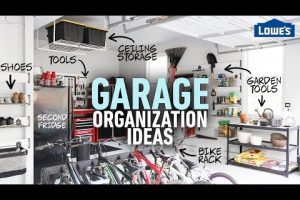
If you have a garage, you have probably noticed the Gladiator GarageWorks section during your last Home Depot visit. These heavy-duty steel wall systems include slatwall panels, hooks, brackets, cabinets, and accessories that bolt directly into studs or use standalone bases. They are designed for power tools, sports equipment, seasonal decorations, and everything else that tends to pile up on garage floors. The Husky Workshop line offers a similar steel-based approach at a slightly more affordable price point.
Kitchen and Pantry Organizers
Home Depot carries a robust selection of kitchen organizers including shelf risers, lazy Susans, spice racks, drawer dividers, and pantry bins. These products help you maximize every inch of cabinet and counter space. Look for items with adjustable heights and non-slip bases for the best long-term performance.
Office and Desk Organizers
For home offices, Home Depot offers filing organizers, cable management trays, desktop drawer units, and floating shelves. These may seem basic compared to garage systems, but a well-organized workspace genuinely improves productivity and reduces daily friction.
General Storage Bins, Carts, and Cubbies
The broadest category includes plastic storage bins, rolling carts, cubbie shelves, and over-the-door organizers. Brands like Sterilite, Iris, and Home Depot’s own lines dominate this segment. These are your go-to products for closets, bathrooms, kids’ rooms, and laundry areas.
How to Choose the Right Home Depot Organizer for Your Space
Choosing the right organizer is not just about picking something that looks good on a shelf. It requires a few deliberate steps to ensure your investment actually solves the problem you are facing.
- Measure your space first. Grab a tape measure and note the height, width, and depth of the area you want to organize. Write these measurements down before you shop.
- Identify your biggest pain points. Is it clutter on the floor? Overstuffed drawers? A closet with no rod dividers? Pinpointing the root problem helps you select the right product type.
- Consider material and durability. Metal organizers like Gladiator and Husky systems hold up better in garages and workshops. Plastic bins work well indoors and in damp environments like basements and laundry rooms.
- Think about future flexibility. Choose modular systems that allow you to reconfigure components rather than fixed structures that lock you into one layout.
- Set a realistic budget. Home Depot organizers range from under ten dollars for a simple bin to several hundred dollars for a full closet or garage system. Know your limit before browsing.

Room-by-Room Recommendations for Home Depot Organizers
Different rooms demand different organizer strategies. Here are practical recommendations based on real-world use cases.
| Room | Best Organizer Type | Recommended Brand/Line | Budget Range |
| Closet | Adjustable wardrobe system with rods and shelves | Gladiator, ClosetMaid | $50–$300 |
| Garage | Slatwall panel system with hooks and cabinets | Gladiator GarageWorks | $100–$500+ |
| Kitchen | Shelf risers, drawer dividers, pantry bins | Rubbermaid, Sterilite | $10–$60 |
| Bathroom | Over-the-door organizer, caddy, under-shelf bins | Home Depot Basics, mDesign | $8–$40 |
| Home Office | Filing organizer, desktop drawer, floating shelf | Husky, Home Depot Basics | $15–$80 |
| Kids’ Room | Cube shelving, labeled bins, rolling cart | Sterilite, IRIS | $20–$70 |
Expert Tips for Getting the Most Out of Home Depot Organizing Products
Even the best organizer will underperform if you do not set it up correctly. Here are some expert-level tips that make a real difference.
- Use the wall first. Vertical wall space is your greatest ally. Wall-mounted systems like Gladiator slatwall or Husky steel cabinets free up floor space and make rooms feel larger instantly.
- Label everything. A label maker (or even masking tape and a marker) transforms generic bins into a searchable system. You will thank yourself six months from now.
- Follow the 80/20 rule. Store items you use 80% of the time at eye level and within easy reach. Seasonal or rarely used items go on higher shelves or in deeper storage.
- Anchor heavy systems properly. Garage organizers and tall shelving units should be anchored to wall studs. Home Depot sells stud finders and anchor kits near the fastener aisle.
- Check for seasonal sales. Home Depot frequently runs promotions on organizing products during spring cleaning season and back-to-school periods. Signing up for their weekly flyer can save you significant money.
Beginner vs. Intermediate vs. Advanced Organizing Approaches
Not every organizing project needs the same level of investment. Here is how to think about your approach based on your experience level.
Beginner
If you are new to home organization, start with standalone products that require no drilling or installation. Rolling carts, over-the-door hooks, shelf bins, and tension rod dividers are all plug-and-play solutions. These items are affordable, easy to reposition, and deliver immediate visual improvement.
Intermediate
Once you are comfortable with basic products, move into modular systems that offer more customization. Adjustable closet rods, stackable drawer units, and pegboard setups fall into this category. You may need basic tools like a drill and level, but the payoff is a much more tailored storage solution.
Advanced
Advanced users invest in full wall systems, built-in cabinetry additions, and custom configurations using products from Gladiator, Husky, or ClosetMaid. These projects often require stud finding, precise measuring, and sometimes professional-level installation. The result is a permanent, high-capacity organizing system that transforms the entire function of a room.
Frequently Asked Questions About Home Depot Organizers
What is the most popular Home Depot organizer system?
The Gladiator GarageWorks slatwall system consistently ranks as one of the most popular and highly reviewed organizing systems at Home Depot. It is especially favored for garages and workshops because of its steel construction, modularity, and extensive accessory ecosystem that includes hooks, shelves, cabinets, and bike mounts.
Can I return a Home Depot organizer if it does not fit my space?
Yes. Home Depot has a generous return policy that generally allows returns within 90 days for most products, including organizing systems and storage bins. Keep your receipt and original packaging if possible, though Home Depot is known for accommodating returns even without the box in many cases.
Are Home Depot closet organizers worth the investment?
Absolutely, especially if you currently struggle with a closet that has no dividers or adjustable shelving. A well-designed closet organizer system can triple your usable hanging and storage space. Brands like Gladiator and ClosetMaid offer systems in the $50 to $300 range that deliver professional-level results without hiring an organizer.
How do I assemble a large Home Depot organizing system?
Most large systems like the Gladiator garage wall kits or ClosetMaid closet systems come with detailed instruction manuals and all necessary hardware. Take your time reading through the manual before starting, and consider recruiting a second person for heavier wall-mounted panels. Home Depot also offers a paid installation service through their Pro services division if you prefer professional assembly.
What should I look for in a Home Depot storage bin for long-term use?
Look for bins made from thick, opaque plastic with reinforced edges and snap-tight lids. Clear bins work well for items you need to see at a glance, but opaque bins reduce visual clutter and protect contents from dust and light damage. Brands like Sterilite and Rubbermaid are consistently reliable, and Home Depot’s own Basics line offers solid quality at a lower price point.
Is it better to buy organizers in-store or online from Home Depot?
Both have advantages. Shopping in-store lets you see the actual size, weight, and build quality of an organizer before purchasing, which is especially important for larger systems. Buying online gives you access to detailed customer reviews, filtering by dimensions and features, and the convenience of home delivery or curbside pickup. For first-time buyers of large systems, visiting the store first to examine the products can save you from sizing mistakes.
Final Thoughts: Making Home Depot Your Go-To Organizing Destination
The Home Depot organizer aisle is one of the most resourceful corners of any Home Depot location, and it deserves far more attention than most shoppers give it. From a simple $10 over-the-door shoe organizer to a fully customized Gladiator garage wall system, the range of products covers virtually every organizing challenge a homeowner can face. The key is to approach your organizing project with a plan: measure your space, identify your pain points, choose the right product category, and invest in quality materials that will hold up over time. With the right Home Depot organizers and a bit of effort, you can transform cluttered rooms into streamlined, functional spaces that make your daily life feel easier and more enjoyable every single day.