Creating a design garden is one of the most rewarding investments you can make in your outdoor space. Whether you are working with a compact urban courtyard or sprawling suburban grounds, the way you plan, structure, and plant your garden determines how beautiful, functional, and sustainable it will be for years to come. A well-designed garden does more than please the eye — it creates a living ecosystem, boosts property value, and offers a personal retreat right at your doorstep. In this comprehensive guide, we will walk you through every aspect of garden design, from foundational principles to advanced styling techniques, so you can transform any patch of green into a masterpiece.
What Is a Design Garden and Why Does It Matter?
A design garden refers to a deliberately planned outdoor space where layout, plant selection, hardscape elements, and color schemes work together in harmony. Unlike a casually planted yard, a designed garden reflects intentional choices about structure, texture, depth, and seasonal interest. The importance of thoughtful garden design cannot be overstated. Studies show that landscaping and garden design can increase a home’s resale value by up to 20 percent, making it one of the highest-return home improvements available.
Beyond financial value, a properly designed garden supports biodiversity, improves air quality, reduces urban heat, and provides mental health benefits. When you invest time in learning how to design a garden that suits your climate, soil, and lifestyle, you are building a space that evolves beautifully through every season.
Core Principles That Drive Every Great Garden Design
Understanding the foundational principles of garden design is essential whether you are a first-time homeowner or a seasoned landscaper. These principles act as the blueprint for any successful outdoor space.
Unity and Cohesion
Unity ensures that all elements in your garden feel connected. This is achieved through consistent color palettes, repeated plant shapes, matching materials in pathways and borders, and a cohesive overall theme. Without unity, a garden can feel chaotic and disjointed.
Balance and Proportion
Balance refers to how visual weight is distributed across your garden. Symmetrical balance mirrors elements on either side of a central axis, creating a formal, classical feel. Asymmetrical balance uses contrasting elements of equal visual weight for a more relaxed, naturalistic look. Proportion ensures that plant sizes, hardscape features, and open spaces relate harmoniously to each other and to the overall property.
Focal Points and Rhythm
Every exceptional garden needs a focal point — a statue, a water feature, a specimen tree, or a vibrant flower bed that draws the eye. Rhythm comes from repeating plants, colors, or shapes at intervals, creating a sense of movement and flow that guides visitors through the space.
Functionality and Flow
A design garden must serve a purpose. Do you need a space for entertaining, a quiet reading nook, a children’s play area, or a productive vegetable patch? Mapping out how you move through the garden — the circulation paths — is just as important as how it looks from a distance.
Popular Garden Design Styles and Themes Compared
Choosing the right style is one of the most exciting parts of the garden design process. Below is a comparison table of popular design garden styles to help you identify what resonates with your vision and environment.
| Style | Key Characteristics | Best For | Maintenance Level |
| Cottage Garden | Loose, overflowing plantings; mixed flowers; rustic charm | Small to medium yards; romantic aesthetics | Medium to High |
| Modern Minimalist | Clean lines; geometric shapes; limited plant palette; concrete and steel | Urban spaces; contemporary homes | Low to Medium |
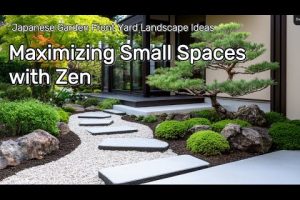
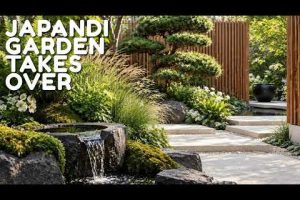
| Japanese Zen | Raked gravel; stone lanterns; water elements; evergreen focus | Meditation spaces; compact areas | Medium |
| Mediterranean | Terracotta; aromatic herbs; drought-tolerant plants; warm tones | Sunny climates; low-water regions | Low to Medium |
| English Formal | Symmetrical beds; hedgerows; topiary; structured pathways | Larger estates; traditional architecture | High |
| Tropical | Large-leafed plants; vivid colors; layered canopy; humid feel | Warm, humid climates; bold statements | Medium to High |
Each style carries its own garden design ideas that can be adapted to fit your specific climate zone, budget, and personal taste. The key is choosing a style that complements your home’s architecture while meeting your practical needs.
Step-by-Step Process for Designing Your Garden
Follow this structured approach to bring your vision to life systematically.
- Assess Your Site — Observe sunlight patterns, soil type, drainage, wind exposure, and existing features. Spend at least one full day noting where the sun hits different areas at different times.
- Define Your Goals — Ask yourself what you want from the space. Is it for relaxation, entertainment, growing food, or attracting pollinators?
- Create a Base Map — Sketch your property boundaries, house footprint, existing trees, utility lines, and slopes. Use graph paper or a simple garden design tool.
- Establish Zones — Divide your garden into functional areas such as a dining area, planting beds, lawn space, and pathways using hardscape planning techniques.
- Select Your Plant Palette — Choose plants based on their mature size, bloom time, color, texture, and climate suitability. Always prioritize native species for lower maintenance and ecological benefits.
- Design the Hardscape — Plan patios, decks, retaining walls, fences, lighting, and irrigation systems. These permanent elements form the skeleton of your garden.
- Develop a Planting Plan — Layer your planting from canopy trees to understory shrubs to ground covers, creating vertical depth and visual richness.
- Implement and Iterate — Begin installation, starting with hardscape, then moving to structural plants, and finally filling in with perennials and annuals. Adjust as you go.
Expert Tips for Elevating Your Garden Design
Start with Structure, Then Add Softness
Professional garden designers always begin with the bones of the garden — trees, shrubs, hedges, and hardscape features. These structural elements provide year-round interest and anchor the space. Once the structure is in place, you can layer in flowering perennials, ornamental grasses, and seasonal annuals for color and texture.
Think in Layers and Heights
A flat garden feels dull. Create visual drama by arranging plants in layers: tall background plants, mid-height fillers, and low groundcovers. This layering technique adds depth and makes even a small garden feel expansive and immersive.
Use Color Theory Deliberately
Just like interior design, garden design benefits from intentional color planning. Complementary colors (purple and yellow, blue and orange) create vibrant contrast, while analogous colors (blues and purples) offer a calming, harmonious effect. Consider how your chosen palette will look in different seasons and at different times of day.
Incorporate Outdoor Lighting
Lighting transforms a garden from a daytime feature into an evening wonderland. Use path lights, uplights to highlight specimen trees, and soft string lights to create atmosphere. Good lighting extends your garden’s usability well past sunset.
Prioritize Soil Health
Even the most beautiful plant selection will fail in poor soil. Invest in quality compost, conduct soil tests to understand pH and nutrient levels, and amend accordingly. Healthy soil is the invisible foundation of every thriving design garden.
Common Mistakes to Avoid in Garden Design
- Skipping the planning phase — Jumping straight to planting without a layout leads to wasted time, money, and heartbreak when plants outgrow their space or clash aesthetically.
- Overlooking scale and mature plant size — That cute little shrub will become a massive hedge in a few years. Always research mature dimensions before planting.
- Ignoring drainage — Water pooling in low spots can kill plants and damage hardscape. Grade your garden appropriately or install French drains.
- Choosing trendy plants over proven performers — Stick to reliable varieties that thrive in your specific hardiness zone rather than chasing fleeting trends.
- Neglecting maintenance requirements — Design a garden you can realistically maintain. A high-maintenance layout that you do not have time for will quickly decline.

Frequently Asked Questions About Design Garden
What are the best design garden ideas for small spaces?
For small spaces, focus on vertical gardening using trellises and wall-mounted planters, incorporate multi-functional furniture, use containers for flexible planting, and choose compact dwarf varieties. Mirror panels and light-colored hardscape materials can visually expand a small garden. Raised beds and tiered planters also maximize growing area without taking up floor space.
How do I choose plants for my garden design based on my climate?
Start by identifying your USDA hardiness zone or equivalent regional classification. Research plants that are rated for your zone, and pay attention to microclimates within your garden such as south-facing walls that retain heat or shaded corners that stay cool. Prioritize native plants, which are adapted to local conditions and require less water and care.
What is the best layout for a beginner’s design garden?

Beginners should start with a simple rectangular or circular layout featuring clearly defined beds, a central pathway, and a manageable plant palette of five to seven species. Avoid overly complex curves and intricate patterns initially. A straightforward layout builds confidence and allows you to learn core design principles before tackling more ambitious projects.
How much does it cost to professionally design a garden?
Professional garden design costs vary widely depending on the project scope, geographic location, and the designer’s experience level. On average, residential garden design services range from $500 to $5,000 for a typical backyard. More elaborate projects involving detailed master plans, 3D renderings, and full installation management can exceed $10,000. Many designers offer tiered packages to fit different budgets.
Can I redesign my garden on a budget without hiring a professional?
Absolutely. Start by sketching your own layout using free online tools like SketchUp or Garden Planner. Focus on affordable upgrades such as mulch, perennial divisions, seed-grown annuals, repurposed materials for borders and paths, and strategic repositioning of existing plants. Many stunning gardens have been created on minimal budgets through creativity and patience rather than big spending.
How do I make my design garden sustainable and eco-friendly?
Build sustainability into your garden from the start by selecting drought-tolerant plants, installing drip irrigation or rain barrels, using organic mulch to retain moisture, composting kitchen and garden waste, and avoiding chemical pesticides. Incorporating pollinator-friendly flowers, native grasses, and wildlife habitats turns your garden into a thriving ecological asset rather than just a decorative space.
Conclusion: Your Garden Design Journey Starts Now
A thoughtfully executed design garden is more than an outdoor decoration — it is a living expression of your personality, creativity, and connection to nature. By applying the principles of unity, balance, rhythm, and functionality, choosing a style that speaks to you, and following a structured design process, you can create an outdoor space that delivers beauty, tranquility, and ecological value every single day. Start small, learn as you grow, and remember that the best gardens evolve over time. Your perfect design garden is not built in a weekend — it is cultivated with patience, curiosity, and a genuine love for the outdoors.