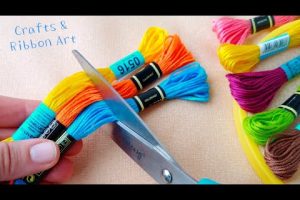
If you’ve been scrolling through social media or browsing handmade marketplaces, you’ve probably noticed a surge in crafts small — intricate, bite-sized creations that pack a surprising amount of creativity into tiny formats. These small-scale craft projects have captured the imagination of hobbyists, parents looking for quick weekend activities, and even entrepreneurs building side businesses around miniature handmade goods. Whether you’re exploring tiny watercolor paintings, mini polymer clay figurines, or small-scale textile art, the world of small crafts offers something genuinely rewarding for every skill level. In this comprehensive guide, we’ll dive deep into what makes small crafts so popular, explore the best project ideas, and share expert tips to help you get started or level up your craft game.
What Are Crafts Small and Why Are They Trending Right Now
Small crafts refer to handmade items that are typically compact in size, often designed to be finished in a single sitting or over a few short sessions. Unlike large-scale art installations or furniture-level woodworking, mini crafts emphasize detail, precision, and creative problem-solving within limited dimensions. The rise of platforms like Etsy, TikTok, and Instagram has fueled the popularity of tiny handmade goods, where shoppers are drawn to adorable, space-saving, and often affordable creative pieces.
Several factors are driving the trend of small crafts right now. First, modern living spaces are smaller, and people crave creative outlets that don’t require enormous studio setups. Second, the global maker movement has democratized access to quality supplies, making it possible to create professional-looking miniatures on a modest budget. Third, small craft projects offer a satisfying sense of completion that larger, more time-consuming works often lack — perfect for people with busy schedules who still want to nurture their creative side.
Best Small Craft Ideas for Every Skill Level
Whether you’re picking up a pair of scissors for the first time or you’ve been sculpting miniatures for years, there’s a small craft project perfectly suited to your abilities. Below is a breakdown of ideas organized by experience level.
Beginner-Friendly Small Craft Projects
If you’re just starting out, the key is choosing projects that teach fundamental techniques without overwhelming you with complexity. Here are some excellent entry points:
- Mini paper quilling ornaments — Roll thin strips of paper into coils and arrange them into tiny floral or geometric shapes. All you need is quilling paper, a slotted tool, and glue.
- Beaded keychains and zipper pulls — Simple stringing techniques allow you to create colorful, wearable mini crafts in under 30 minutes.
- Tiny stamped greeting cards — Using small rubber stamps and watercolor paper, you can produce beautifully detailed cards that feel surprisingly professional.
- Polymer clay fridge magnets — Condition small amounts of clay, shape them into cute animals or food items, bake them, and attach a magnet backing.
These beginner small craft ideas focus on building hand-eye coordination, understanding basic materials, and developing confidence in your creative instincts.
Intermediate Small Craft Ideas
Once you’ve mastered the basics, intermediate projects push your skills further by introducing more complex techniques and finer details:
- Miniature embroidery hoops — Create tiny framed embroidery pieces using 2-inch hoops, delicate thread, and fabric scraps. This is an excellent way to explore small-scale textile art.
- Tiny bookbinding — Learn to sew signatures and bind small books using decorative papers and bookbinding thread. These make stunning gifts and display pieces.
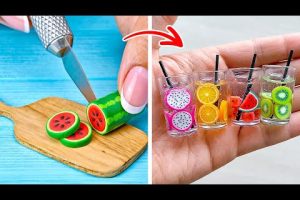
- Polymer clay miniature food — Sculpt highly realistic tiny foods like ramen bowls, donuts, or sushi rolls. This niche is hugely popular on craft marketplaces.
- Small-scale macramé wall hangings — Use thin cotton cord to create miniature plant hangers or decorative wall pieces that add texture to any space.
At this stage, you’ll want to invest in better tools and start paying closer attention to color theory, texture combinations, and presentation.
Advanced Miniature Craft Techniques
For experienced crafters, the world of tiny creations opens up entirely new dimensions of artistry and technical mastery:
- Dollhouse miniature crafting — Building fully furnished 1:12 scale rooms requires woodworking, upholstery, painting, and an obsessive eye for architectural detail.
- Micro watercolor painting — Creating artwork on surfaces smaller than a postage stamp demands steady hands, magnification tools, and an intimate understanding of pigment behavior.
- Tiny metal smithing — Using small torches and fine gauges of copper or silver, artisans create miniature jewelry and sculptural pieces that rival full-sized work in quality.
- Miniature book art — Crafting books smaller than a fingernail, complete with text and illustrations, represents the pinnacle of patience and precision in small-scale crafting.
Essential Supplies for Small Craft Projects
One of the best things about small crafts is that they require relatively few supplies to get started. However, having the right tools makes a significant difference in the quality of your finished pieces.
| Tool or Material | Best For | Budget Range |
| Precision craft knife | Cutting fine details in paper, foam, and thin materials | $8–$25 |
| Tweezers (pointed tip) | Placing tiny beads, clay pieces, and delicate components | $3–$12 |
| UV resin kit | Creating tiny pendants, keychains, and encapsulated art | $15–$40 |
| Polymer clay starter set | Mini figurines, jewelry, and decorative objects | $10–$30 |
| Magnification lamp | Detail work on micro-scale projects | $20–$60 |
| Miniature cutting mats | Protecting surfaces during detailed cutting and stamping | $5–$15 |
| Fine-gauge wire set | Wire wrapping, mini sculptures, and jewelry making | $8–$20 |
Pro tip: buy supplies in small quantities at first. You don’t need to invest heavily before you’ve found the specific craft niche that resonates with you.
The Benefits of Creating Small Crafts
Beyond the obvious joy of making something beautiful, small craft projects offer a range of surprising benefits that make them well worth your time.
1. Mental health and mindfulness. Working on tiny, detailed projects requires focused attention, which naturally pulls your mind away from stress and anxiety. Many crafters describe the experience as meditative — almost like a moving form of mindfulness practice.
2. Low material costs. Because small crafts use minimal supplies, the financial barrier to entry is incredibly low. You can start a new hobby for under $20 in most cases, making creative expression accessible to virtually everyone.
3. Quick completion cycles. Unlike a large painting or furniture build that might take weeks, small craft projects often deliver finished pieces within hours. This sense of accomplishment keeps motivation high and encourages experimentation.
4. Portable creativity. Many small craft kits and tools fit easily into a bag, meaning you can craft on your commute, during lunch breaks, or while traveling. This portability helps maintain a consistent creative habit.
5. Income potential. Small handmade items are extremely popular on platforms like Etsy and at craft fairs. Their compact size also reduces shipping costs, which is a significant advantage for crafters selling online.
Expert Tips for Creating Stunning Small Crafts
After working with small-scale projects extensively, here are some insights that can genuinely elevate your craft quality:
- Invest in good lighting. When you’re working at a tiny scale, poor lighting leads to mistakes that you won’t notice until it’s too late. A daylight lamp or a magnifying lamp with built-in LED lighting is a game-changer.
- Use reference images. Even for abstract small crafts, having a visual reference helps you maintain proportion, color accuracy, and compositional balance at miniature scales.
- Embrace mistakes as design elements. Some of the most charming small crafts come from happy accidents. A drip of paint or an asymmetrical clay shape can add character that perfection cannot replicate.
- Document your process. Creating a time-lapse or step-by-step photo series of your small craft projects builds an audience and provides a reference library you can revisit for inspiration.
- Practice the same technique repeatedly. Repetition is the fastest path to mastery in small crafts. Choose one technique — say, miniature bookbinding — and make ten of the same item to refine your skills dramatically.
Small Crafts vs. Large-Scale Projects: A Quick Comparison
| Factor | Small Crafts | Large-Scale Projects |
| Time to complete | 30 minutes to a few hours | Days to months |
| Material cost | Low to moderate | Moderate to high |
| Space required | Minimal — a desk or table | Dedicated workshop or studio |
| Skill level needed | Accessible to beginners | Often requires intermediate to advanced skills |
| Shipping and selling | Easy and affordable | Logistically complex and costly |
| Satisfaction of completion | Quick and frequent | Deep but delayed gratification |
Conclusion
Small crafts represent one of the most accessible, rewarding, and versatile creative outlets available today. Whether you’re drawn to the charm of miniature polymer clay food, the elegance of tiny embroidered scenes, or the satisfaction of crafting intricate paper quilling designs, small-scale projects deliver big creative rewards in compact packages. The beauty of this craft category lies in its inclusivity — you don’t need a large workspace, an expensive toolkit, or years of experience to produce something beautiful and meaningful. Start with a beginner project, embrace the learning curve, and let your curiosity guide you toward increasingly complex and satisfying creations. The small craft community is welcoming, resourceful, and endlessly inspiring, so grab your supplies and start making something tiny and extraordinary today.
Frequently Asked Questions
What are the easiest small crafts for complete beginners to try?

Handmade beaded bracelets, simple stamped cards, and basic polymer clay fridge magnets are among the easiest small crafts for absolute beginners. These projects require minimal supplies, no specialized skills, and can typically be completed in a single afternoon. Many crafters recommend starting with paper-based projects like paper quilling or stamping, as they allow you to develop fine motor control and creative confidence before moving on to more complex materials like clay or resin.
Can small crafts be profitable, and what sells best?
Yes, small crafts can be highly profitable, especially when sold on online marketplaces like Etsy, at local craft fairs, or through social media storefronts. The best-selling small crafts tend to include miniature polymer clay food items, tiny watercolor paintings, custom beaded jewelry, and miniature resin pendants. The key to profitability is finding a niche, maintaining consistent quality, and building a brand aesthetic that resonates with your target customers. Because small crafts use minimal materials, your profit margins per item are often higher than for larger handmade goods.
What tools do I absolutely need to start small crafts at home?

To get started with small crafts at home, you really only need a few essentials: a precision craft knife, a cutting mat, fine-tip tweezers, a good pair of scissors, glue suitable for your chosen materials, and a well-lit workspace. As you progress into specific niches like miniature painting or clay sculpting, you’ll want to add tools like sculpting blades, UV resin kits, and magnification lamps. But for your first few projects, keep it simple and let your interests guide what you purchase next.
How can I turn my small craft hobby into a side business?
Turning a small craft hobby into a side business starts with identifying which of your creations consistently receive positive feedback and then building a simple brand around those items. Create an Etsy shop or Instagram page, take high-quality photos of your work, and price your items to cover materials, your time, and a reasonable profit margin. Engaging with the maker community, attending local markets, and offering custom orders are all effective strategies for growing a small craft business from a personal hobby into a sustainable income stream.
Are small crafts suitable for children, and which projects are safest?
Many small crafts are wonderfully suitable for children, making them excellent family bonding activities. The safest projects for younger kids include large-beaded bracelets, simple paper folding crafts like origami, stamp art, and pre-made kit projects that come with age-appropriate tools. Always supervise children with sharp instruments like craft knives or hot glue guns, and opt for non-toxic, washable materials whenever possible. Small crafts help children develop fine motor skills, patience, and creative problem-solving in ways that screen-based activities simply cannot replicate.