


Aesthetic room decor has evolved from a niche social media trend into a full-blown lifestyle movement that influences how millions of people design, curate, and experience their living spaces. Whether you are a college student refreshing a dorm room, a young professional styling your first apartment, or someone simply looking to breathe new life into a tired interior, aesthetic room decor offers a structured yet deeply personal approach to interior design. It goes far beyond choosing pretty pillows or hanging a few prints on the wall. True aesthetic room decor is about creating a cohesive visual narrative that reflects your personality, elevates your mood, and transforms an ordinary room into a sanctuary you genuinely love spending time in.
What Is Aesthetic Room Decor and Why Does It Matter?
Aesthetic room decor refers to the intentional selection and arrangement of furniture, textiles, lighting, wall art, and accessories that follow a unified visual theme. Unlike random interior styling, aesthetic room decor emphasizes harmony, color palettes, texture layering, and spatial balance. The goal is to craft an environment that feels intentional, calming, and visually satisfying every time you walk through the door.
The psychology behind aesthetic room decor is well-documented. Studies in environmental psychology show that the visual elements of a space directly impact stress levels, creativity, and emotional well-being. A thoughtfully decorated room can reduce anxiety, improve focus, and promote better sleep. This is why interior designers and wellness experts increasingly recommend aesthetic room decor not just as a design choice but as a form of self-care.
The Rise of Aesthetic Culture in Home Design
The explosion of platforms like Pinterest, TikTok, and Instagram has accelerated the popularity of aesthetic room decor in unprecedented ways. Terms like “dark academia room,” “cottagecore aesthetic,” “minimalist Japandi style,” and “coastal calm decor” have become household vocabulary. People no longer just want functional spaces; they want spaces that tell a story and evoke a specific feeling.
Popular Aesthetic Room Decor Styles to Explore
One of the most exciting aspects of aesthetic room decor is the sheer variety of styles available. Each aesthetic carries its own mood, color palette, and set of signature elements. Below are some of the most trending styles that dominate the decor world right now.
| Aesthetic Style | Key Characteristics | Best Color Palette | Ideal For |
| Dark Academia | Vintage books, dark wood, tweed textures, candle accents | Burnt brown, forest green, cream, black | Book lovers, moody and intellectual vibes |
| Soft Cottagecore | Floral prints, wicker furniture, dried flowers, linen fabrics | Blush pink, sage green, lavender, warm white | Romantic, nature-inspired living spaces |
| Minimalist Japandi | Clean lines, natural wood, neutral tones, functional furniture | White, beige, light gray, soft oak | Small spaces, clutter-free mindsets |
| Coastal Calm | Rattan, sea glass, driftwood, blue-white patterns | Ocean blue, sandy beige, white, coral | Bright, airy rooms with a relaxed feel |
| Gothic Moody | Velvet textures, black frames, dramatic lighting, antique mirrors | Deep purple, black, burgundy, gold | Dramatic, sophisticated interior statements |
| Y2K Retro Futurism | Metallic accents, glass furniture, neon touches, chrome decor | Silver, electric blue, hot pink, clear | Bold, youthful, and experimental spaces |
How to Choose the Right Aesthetic for Your Room
Selecting an aesthetic room decor style should start with self-reflection. Ask yourself what emotions you want your room to evoke. Do you want to feel cozy and nostalgic? Go for cottagecore. Do you want a sleek, focused environment? Minimalist Japandi is your match. Consider the natural lighting in your room, the size of the space, and your existing furniture. You do not need to overhaul everything at once. Start with one dominant aesthetic and layer in complementary elements gradually.
Essential Elements of Aesthetic Room Decor
Every successful aesthetic room decor scheme relies on a few foundational elements that work together to create visual cohesion. Ignoring even one of these can leave a room feeling disjointed or incomplete.
- Color Palette — This is the backbone of any aesthetic room decor project. Choose no more than three to five colors and stick to them consistently across walls, textiles, furniture, and accessories. A restrained palette creates instant harmony.
- Lighting Layers — Harsh overhead lighting kills ambiance immediately. Combine ambient lighting (ceiling fixtures), task lighting (desk lamps), and accent lighting (string lights, candles, or LED strips) to add depth and warmth.
- Texture and Material Mix — Pairing different textures like velvet, linen, rattan, wood, and metal adds visual interest without cluttering the space. This is one of the most overlooked aspects of aesthetic room decor.
- Wall Decor and Art — Gallery walls, framed prints, wall decals, or even woven tapestries serve as the visual anchor of a room. Choose pieces that align with your chosen aesthetic theme.
- Greenery and Natural Elements — Indoor plants, dried flowers, branches, or even a simple bowl of stones bring life and organic balance into any space. They soften hard lines and add a refreshing visual contrast.
- Personal Touches and Sentimental Items — The best aesthetic room decor feels personal, not staged. Include items that hold meaning to you, whether it is a vintage find, a travel souvenir, or a handwritten letter displayed in a frame.

The Role of Rugs and Textiles in Aesthetic Room Decor
Rugs, throw blankets, and curtains often make or break an aesthetic room decor scheme. They are the largest soft furnishings in a room and heavily influence both color and texture. When choosing textiles, prioritize quality over quantity. A single, well-chosen oversized rug can ground an entire room, while a carefully selected throw blanket adds an effortless layer of coziness.
Step-by-Step Guide to Building Your Aesthetic Room Decor
If you are new to aesthetic room decor, the process can feel overwhelming. Here is a practical roadmap to guide you through the journey without overspending or overthinking.
Step 1: Define Your Aesthetic Vision
Create a mood board using Pinterest or a physical collage. Collect images, color swatches, and texture samples that resonate with you. Identify the recurring themes — are you drawn to soft pastels or rich earth tones? Clean minimalism or layered maximalism? Your mood board becomes your decorating compass.
Step 2: Audit Your Existing Space
Walk into your room and honestly assess what you already own. Which pieces fit your chosen aesthetic? Which ones need to be replaced or removed? Keep the items that align with your vision and set aside the rest for donation or storage.
Step 3: Invest in Key Anchor Pieces
Focus your budget on one or two statement pieces that define the room’s character. This could be a vintage armchair, a handwoven rug, or a distinctive light fixture. Anchor pieces set the tone and make the rest of your decor decisions much easier.
Step 4: Layer Accessories Intentionally
Add smaller decor items like candles, trays, books, and decorative objects in stages. Avoid placing everything at once. Step back, observe, and adjust. Aesthetic room decor is an evolving process, not a one-time event.
Step 5: Refine and Edit
The difference between a beautifully decorated room and a cluttered one often comes down to editing. Remove anything that feels forced or out of place. Leave some breathing room. Negative space is just as important as filled space in aesthetic room decor.
Expert Tips for Taking Your Aesthetic Room Decor to the Next Level
Even experienced decorators continually refine their approach. Here are some insider tips that separate a mediocre room from a truly stunning one.
- Use odd numbers for groupings. Arranging decor items in groups of three or five creates a more dynamic and visually appealing composition than even numbers.
- Incorporate scent as a design element. Candles, diffusers, and incense are part of aesthetic room decor too. Scent triggers memory and emotion, making your space feel deeply personal.
- Pay attention to sight lines. When you enter a room, your eyes should land on a focal point first. Arrange furniture and decor to guide that visual flow naturally.
- Mix high and low budget pieces. A $10 thrift store vase paired with a premium throw blanket creates a curated, eclectic look that expensive furniture alone cannot achieve.
- Consider seasonal rotations. Swap out cushions, throws, and small accessories with the seasons to keep your aesthetic room decor feeling fresh and current without a major renovation.
Common Mistakes to Avoid in Aesthetic Room Decor
Even the most enthusiastic decorators fall into traps. Understanding these common mistakes can save you time, money, and frustration.
- Copying a room exactly from social media without adapting it to your own space and lifestyle.
- Overloading a room with too many competing aesthetics, resulting in visual chaos.
- Neglecting functionality in favor of appearance, leading to a beautiful but impractical space.
- Ignoring scale and proportion, such as hanging artwork too high or choosing furniture that is too large or too small for the room.
- Forgetting about floor-level design, including the importance of a well-placed rug or plant at ground level.
Conclusion: Your Room, Your Story
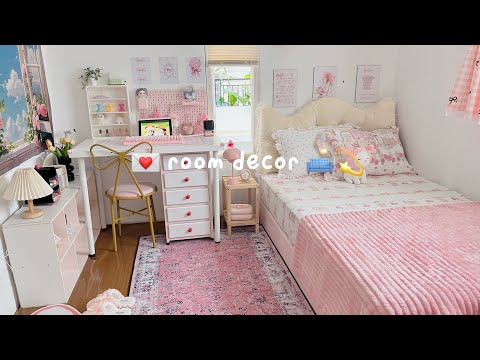
Aesthetic room decor is ultimately an act of self-expression. It is about creating a space that feels authentically yours — a place where you can recharge, create, and feel inspired every single day. Whether you gravitate toward the soft warmth of cottagecore, the disciplined elegance of minimalist Japandi, or the dramatic flair of Gothic moody decor, the principles remain the same: intention, cohesion, and personal meaning. Start small, stay true to your vision, and remember that the most beautiful rooms are never perfect — they are simply honest.
Frequently Asked Questions
1. What are the best budget-friendly aesthetic room decor ideas for small spaces?
Start with peel-and-stick wallpaper, LED string lights, and a single statement wall print. Thrift stores and online marketplaces like Facebook Marketplace are goldmines for affordable aesthetic furniture pieces. Focus on one dominant color palette and use vertical space with floating shelves to maximize a small room without cluttering the floor.
2. How often should I update my aesthetic room decor?
There is no fixed timeline, but many decor enthusiasts refresh their aesthetic room decor seasonally by swapping out textiles, rearranging accessories, and adding seasonal elements like dried florals or metallic accents. Major changes like repainting walls or replacing furniture typically happen every few years when your taste evolves.
3. Can I mix multiple aesthetic room decor styles in one space?
Yes, but it requires careful editing. The key is to choose a unifying element — such as a consistent color palette or a dominant material like natural wood — and then selectively blend two complementary aesthetics. Too many styles without a connecting thread will make a room feel chaotic rather than curated.
4. What are the most popular aesthetic room decor trends for 2024 and beyond?
Current trends include coquette aesthetics featuring soft ruffles and lace, clean girl aesthetic with sleek minimalism, and old money aesthetic emphasizing quality fabrics and muted tones. Earthy, sustainability-focused decor using reclaimed wood and natural fibers continues to gain momentum as well.
5. How do I start an aesthetic room decor project if I have zero design experience?
Begin by choosing one aesthetic style that resonates with you and building a simple mood board. Focus on three key elements — color palette, lighting, and one anchor furniture piece — before adding accessories. Follow interior design accounts online for inspiration, and remember that restraint and consistency matter more than expense or complexity.