


When most people think about upgrading their home, the living room or kitchen usually comes to mind first. But here’s a reality that more homeowners are waking up to: your outdoor space is just as important as any interior room — maybe even more so. At home outdoor furniture has become one of the most sought-after categories in home improvement, and for good reason. Whether you have a sprawling backyard, a cozy balcony, or a modest patio, the right outdoor furniture can completely transform how you use and enjoy your property. It’s not just about aesthetics anymore; it’s about creating an extension of your living space that invites relaxation, socializing, and connection with nature. In this comprehensive guide, we’ll walk you through everything you need to know about selecting, styling, and maintaining outdoor furniture for your home — from beginner basics to advanced considerations that even seasoned design enthusiasts will appreciate.
What Is At Home Outdoor Furniture and Why It Matters
At home outdoor furniture refers to any seating, dining, lounging, or decorative pieces specifically designed for use in exterior living spaces. This includes patios, decks, balconies, gardens, poolside areas, and even rooftop terraces. Unlike indoor furniture, outdoor pieces must withstand environmental factors like UV rays, rain, wind, humidity, and temperature fluctuations — which is exactly what makes choosing the right pieces so important.
The Growing Trend of Home Outdoor Living
The concept of “outdoor living” has evolved dramatically over the past decade. Homeowners are no longer content with a basic lawn chair and a plastic table. Today’s outdoor spaces function as second living rooms — complete with entertainment areas, dining zones, cooking stations, and relaxation corners. Studies show that homes with well-designed outdoor living areas see increased property values and improved quality of life. The COVID-19 pandemic accelerated this trend significantly, as people began investing more time and money into their home environments. If you’re looking to maximize your property’s potential, at home outdoor furniture is arguably the most impactful starting point.
Types of At Home Outdoor Furniture
Understanding the different categories of outdoor furniture helps you make informed purchasing decisions. Each type serves a unique purpose and contributes to the overall functionality and feel of your outdoor area.
Outdoor Dining Sets
Outdoor dining sets are the backbone of any functional patio or backyard. These typically include a table and matching chairs designed for al fresco meals, morning coffee, or evening gatherings. Popular configurations range from intimate two-person bistro sets to large six-to-eight-person dining arrangements. When selecting a dining set, consider your typical entertaining habits. Do you host large weekend barbecues, or do you prefer quiet breakfasts alone? Your answer dictates the size and style you need.
Lounge Chairs, Sofas, and Daybeds
For relaxation-focused spaces, lounge chairs, outdoor sofas, and daybeds are essential. These pieces encourage prolonged sitting and sunbathing, making them perfect for poolside or garden areas. Modular outdoor sofas have gained massive popularity because they allow customizable configurations — you can rearrange sections to suit different moods and occasions. Deep-seated lounge chairs with plush cushions are another favorite among homeowners who prioritize comfort.
Parasols, Umbrellas, and Shade Structures
No discussion of at home outdoor furniture is complete without addressing shade solutions. Parasols and patio umbrellas provide critical protection from harmful UV rays while adding a stylish element to your setup. Cantilever umbrellas offer angled shade without blocking sunlight from other areas, while market umbrellas fit through the center of dining tables. For larger spaces, pergolas and shade sails serve as permanent architectural features that elevate the entire outdoor room.
Best Materials for Outdoor Furniture
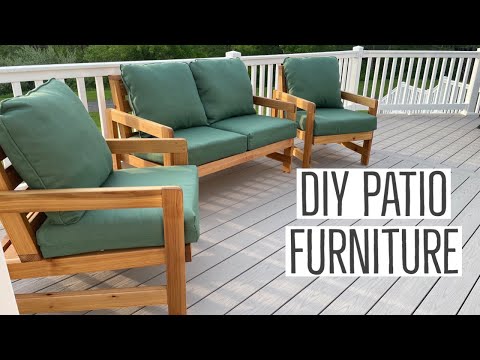
The material you choose determines durability, comfort, maintenance requirements, and overall cost. Here’s a detailed breakdown of the most common materials used in outdoor furniture today.
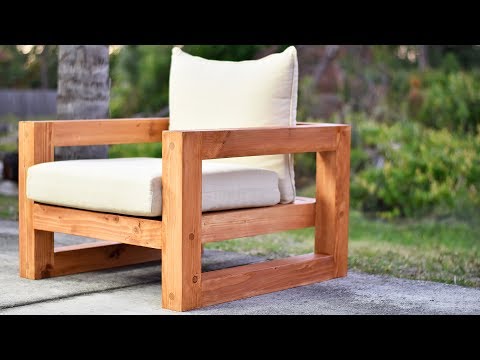
Wood Options for Outdoor Use
Wood remains a timeless favorite for at home outdoor furniture. Teak is widely regarded as the gold standard due to its natural oils that resist moisture, insects, and rot. It ages beautifully, developing a silvery patina if left untreated or a rich honey color if oiled regularly. Cedar and eucalyptus are more affordable alternatives that offer excellent weather resistance. Acacia wood provides a rustic aesthetic at a lower price point, though it requires more consistent maintenance to prevent cracking.
Metal and Synthetic Materials
Aluminum, wrought iron, and stainless steel each bring distinct advantages. Aluminum is lightweight and rust-resistant, making it ideal for coastal or humid environments. Wrought iron offers unmatched strength and a classic look but is heavy and may require rust treatment over time. Stainless steel is sleek and modern but tends to be more expensive. Synthetic materials like polypropylene (plastic resin) and wrought aluminum blends have surged in popularity because they mimic the appearance of natural materials while offering superior weather resistance and minimal upkeep.
| Material | Durability | Maintenance Level | Cost Range | Best For |
| Teak Wood | Excellent | Low to Medium | High | Long-term investment, luxury look |
| Cedar Wood | Very Good | Medium | Medium | Natural aesthetic, moderate budgets |
| Aluminum | Excellent | Very Low | Low to Medium | Coastal areas, easy mobility |
| Wrought Iron | Excellent | Medium to High | Medium | Classic designs, heavy-duty use |
| Polypropylene (Resin) | Good | Very Low | Low | Budget-friendly, lightweight needs |
| Synthetic Wicker (PE) | Very Good | Low | Medium | Coastal or tropical aesthetics |
How to Choose the Right Outdoor Furniture for Your Space
Selecting the perfect at home outdoor furniture involves more than picking what looks good in a catalog. It requires thoughtful assessment of your space, lifestyle, and local climate.
Measuring Your Available Space
Before purchasing anything, measure your patio, deck, or backyard area carefully. Leave adequate walking space between furniture pieces — at least 30 to 36 inches for comfortable movement. Overcrowding an outdoor area with too much furniture is one of the most common mistakes homeowners make. A good rule of thumb is to plan for about 60% coverage, leaving the remaining 40% as open space for flow and visual breathing room.
Climate and Weather Considerations
Your local climate plays a significant role in material selection. If you live in a humid or coastal area, prioritize rust-resistant metals and naturally durable woods like teak. In regions with harsh winters, consider furniture that disassembles easily for storage or invest in weatherproof covers. Intense UV exposure demands fabrics and finishes rated for fade resistance. Matching your furniture to your environment ensures you get years of use rather than just one or two seasons.
Maintaining and Prolonging the Life of Outdoor Furniture
Even the best at home outdoor furniture will deteriorate without proper care. Here are practical maintenance strategies that keep your pieces looking new:
- Clean regularly. Wipe down surfaces with mild soap and water at least once a month. For cushions, remove covers and machine wash according to care labels.
- Use protective covers. Invest in fitted outdoor furniture covers for periods of non-use, especially during rain, snow, or intense sun exposure.
- Treat wooden surfaces. Apply teak oil or wood preservative annually to maintain color and prevent drying or cracking.
- Inspect for damage. Check joints, bolts, and fabric for wear and tear. Tighten loose screws and replace frayed cushion ties promptly.
- Store indoors during extreme weather. If possible, move furniture into a garage or shed during storms, heavy snowfall, or prolonged absence.
Following these steps can extend the lifespan of quality outdoor furniture by five to ten years or more, making your investment well worth it.
Budget-Friendly vs. Premium Outdoor Furniture
Your budget significantly influences what you can achieve outdoors. Here’s a straightforward comparison to help you decide where to allocate your money.
| Aspect | Budget-Friendly Options | Premium Options |
| Typical Materials | Polypropylene, pine, basic powder-coated steel | Teak, wrought iron, marine-grade aluminum, high-grade PE wicker |
| Expected Lifespan | 2 to 4 years | 10 to 20+ years |
| Price Range | $50 to $300 per piece | $500 to $3,000+ per piece |
| Comfort Level | Basic; often requires added cushions | Ergonomic design with weather-resistant cushions included |
| Visual Impact | Functional but generic | Distinctive, designer-quality appearance |

A smart strategy for budget-conscious homeowners is to invest in one or two premium statement pieces — like a quality dining set or a modular sofa — and supplement with affordable accent items such as folding chairs, side tables, or poufs. This hybrid approach delivers both style and functionality without breaking the bank.
Expert Tips for Styling Your Outdoor Area
Creating a cohesive and inviting outdoor space goes beyond furniture selection. Here are professional-level tips that transform a basic patio into a destination:
- Layer textures. Combine woven rope, linen cushions, and natural wood to add depth and warmth to your setup.
- Add lighting. String lights, solar-powered lanterns, and LED candles create ambiance and extend usability into the evening hours.
- Incorporate plants. Potted trees, hanging planters, and garden borders soften hard surfaces and integrate your furniture with the natural landscape.
- Use outdoor rugs. A durable outdoor rug defines zones, adds color, and provides a comfortable surface underfoot.
- Mix old and new. Don’t be afraid to pair a vintage wooden bench with modern lounge chairs. Eclectic combinations often create the most memorable outdoor rooms.
Conclusion
At home outdoor furniture is far more than a decorative afterthought — it’s a strategic investment in your comfort, lifestyle, and property value. From understanding material differences and climate suitability to mastering styling techniques and maintenance routines, every decision you make contributes to building an outdoor space that truly reflects your home. Whether you’re working with a tight budget or designing a luxury backyard retreat, the principles outlined in this guide empower you to make confident, informed choices. Start with one area, perfect it, and expand from there. Your outdoor living space has the potential to become your favorite room in the house — and it all begins with the right furniture.
Frequently Asked Questions (FAQs)
What is the best material for at home outdoor furniture in humid climates?
For humid or coastal environments, teak wood, marine-grade aluminum, and high-quality polypropylene resin are the top choices. These materials naturally resist moisture, rust, and mildew, ensuring longevity even in challenging conditions. Avoid untreated iron or steel, as these are prone to corrosion in high-humidity settings.
How can I protect my outdoor furniture from sun damage and fading?
To prevent UV damage, choose furniture rated with UV-resistant finishes and fabrics. Apply protective coatings to wooden surfaces annually, and use outdoor furniture covers when pieces are not in use. Position furniture away from direct midday sunlight where possible, and consider adding a parasol or shade sail for additional protection. UV-resistant outdoor cushions made from solution-dyed acrylic are particularly effective at resisting fading.
Can I leave outdoor furniture outside year-round without covers?
While some premium materials like teak and aluminum can handle extended outdoor exposure, leaving any furniture uncovered year-round is not recommended. Accumulated moisture, leaves, bird droppings, and UV exposure accelerate degradation. At minimum, invest in breathable protective covers for the off-season, and ensure adequate drainage around furniture legs to prevent water pooling.
What are the most space-saving outdoor furniture options for small patios?
For small patios, foldable dining sets, stackable chairs, bistro tables, and nesting side tables are excellent space-saving choices. Wall-mounted folding benches and hanging planters free up floor space while still providing functionality. Multifunctional pieces — such as storage ottomans that double as seating — are also ideal for compact outdoor areas where every square inch counts.
How often should I replace cushions on outdoor furniture?
With proper care, high-quality outdoor cushions rated for UV and moisture resistance typically last three to five years. Lower-grade cushions may need replacement annually, especially in regions with intense sun or frequent rain. Adding removable, washable cushion covers can extend their lifespan. If cushions lose their shape, fade significantly, or develop mold that cannot be fully removed, it’s time for a replacement.
Are synthetic wicker and natural wicker equally good for outdoor use?
Not exactly. Synthetic wicker (typically PE or PVC resin) is specifically engineered for outdoor durability, resisting moisture, UV rays, and temperature changes far better than natural wicker. Natural wicker — often made from rattan or bamboo — can be used outdoors but requires diligent treatment and protection from moisture to avoid cracking, warping, and mold growth. For most homeowners, synthetic wicker offers superior performance and a more consistent appearance over time while maintaining the same attractive woven aesthetic.