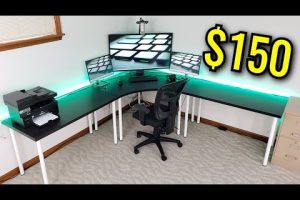
If you are living in a compact apartment, a tiny studio, or a cozy home office, you already know that every square inch matters. A corner table for small spaces is one of the most practical and elegant furniture solutions you can add to any room. Unlike bulky rectangular desks or dining tables that dominate floor area, a corner table slides into the unused nook of a room and transforms dead space into a functional workstation, dining spot, or display area. Whether you need a laptop workspace, a breakfast nook, or a stylish plant stand, this guide covers everything you need to know about selecting, styling, and making the most of a corner table in a compact home.
Why a Corner Table Is the Smartest Choice for Small Spaces
When square footage is limited, furniture placement becomes a strategic decision. A corner table capitalizes on the often-overlooked triangular zones in rooms where walls meet. Here is why this furniture piece has become a go-to recommendation for interior designers and urban dwellers alike.

Maximizing Underutilized Areas
Most rooms have corners that sit empty or collect clutter. A corner table turns that wasted area into a purposeful zone. This is especially valuable in studio apartments, dorm rooms, and open-plan lofts where separating functional areas is a challenge. By placing a corner table in that dead space, you free up valuable central floor area, making the room feel more open and less cramped.

Improving Room Flow and Circulation
A well-placed corner table keeps walkways clear. Instead of pushing furniture against walls and blocking pathways, you anchor one piece in the corner and allow traffic to flow naturally through the rest of the room. This not only improves daily comfort but also creates an illusion of a larger, more breathable space.
Adding Functionality Without Overwhelming the Room
Corner tables come in compact footprints, which means you gain a flat surface for work, dining, or decoration without the visual weight of a full-size table. They are ideal for dual-purpose rooms where a single piece of furniture needs to serve multiple roles throughout the day.
Types of Corner Tables for Small Spaces
Not all corner tables are created equal. The best choice depends on your room dimensions, intended use, and personal style. Below are the most popular categories that homeowners and renters rely on every day.
Round Corner Tables
Round corner tables are arguably the most popular option for tight spaces. Their curved edges eliminate sharp corners that could cause injuries or feel visually heavy. A round corner table softens the geometry of a room and works beautifully in living rooms, bedrooms, and dining areas. They typically range from 24 to 36 inches in diameter and can be paired with one or two chairs depending on the model.
Square and Rectangular Corner Tables
For a more structured and modern look, square and rectangular corner tables offer clean lines and sharp edges. These shapes are excellent for home offices where you need a flat, stable surface for a monitor and keyboard. A rectangular corner desk for small spaces often includes built-in shelves or drawers, maximizing storage in a minimal footprint.
Foldable and Expandable Corner Tables
If versatility is your top priority, a foldable corner table is a game-changer. These models collapse flat against the wall when not in use, freeing up the entire floor area. Some expandable designs feature hinged leaves that allow you to double the surface area for entertaining guests, then fold them back down for everyday use.
Nesting and Stackable Corner Tables
Nesting corner tables consist of two or three smaller tables that tuck under each other. You can pull them apart to create multiple small work or serving stations around a room, or stack them together in a single corner when you need the space clear. This is an excellent option for those who want flexibility without committing to one large piece.
Key Features to Look For When Choosing a Corner Table
With so many options on the market, knowing what to prioritize will save you time, money, and frustration. Focus on these essential features before making a purchase.
- Dimensions and footprint: Measure the corner area carefully, including clearance for opening drawers or chairs. A table that is too large will make the room feel smaller, while one that is too small will look lost.
- Material durability: Choose materials that can withstand daily use, especially if the table will serve as a desk or dining surface. Solid wood, laminate, and metal frames offer excellent longevity.
- Storage integration: Shelves, drawers, or cabinets built into the corner table add valuable storage without taking up additional floor space. This is critical in small apartments where closet space is limited.
- Style compatibility: The table should complement your existing decor. Whether your style is Scandinavian, industrial, mid-century modern, or minimalist, there is a corner table design that fits seamlessly.
- Weight and portability: If you rent or plan to rearrange frequently, a lightweight table with a slim profile makes moving and reconfiguring effortless.
Best Corner Table Materials for Small Spaces
The material you choose affects both the aesthetic and the practical performance of your corner table. Below is a comparison of the most commonly used materials for compact furniture.
| Material | Durability | Weight | Style | Best For |
| Solid Wood | High | Medium-Heavy | Warm, classic | Dining corners, long-term use |
| Engineered Wood / Laminate | Medium-High | Light | Modern, versatile | Home offices, budget-friendly options |
| Metal (Steel / Aluminum) | Very High | Medium | Industrial, sleek | Urban apartments, loft-style rooms |
| Glass | Medium | Light | Elegant, airy | Living rooms, visual openness |
| Bamboo / Rattan | Medium | Very Light | Natural, bohemian | Bedrooms, plant stands, casual dining |
For small spaces, lightweight materials like engineered wood, bamboo, and glass create a sense of openness, while metal and solid wood provide sturdiness for daily heavy use. Many homeowners now prefer combined materials, such as a metal frame with a wooden or glass top, which balances strength and visual lightness perfectly.
Expert Tips for Styling and Arranging Your Corner Table
Buying the right corner table is only half the battle. How you set it up and style it makes a significant difference in both function and aesthetics.
Use Mirrors to Create Illusion of Space
Mounting a large mirror on the wall above or behind your corner table reflects light and visually doubles the room’s depth. This is a favorite trick among interior designers working with studio apartments and tiny bedrooms.
Choose Chairs or Stools That Tuck Under the Table
If the corner table doubles as a dining or work area, select stackable chairs, folding stools, or even wall-mounted drop-leaf seats. When tucked away, they preserve precious floor space and keep the corner looking clean and uncluttered.
Layer Lighting Above the Table
A small pendant light or a wall-mounted sconce positioned above the corner table creates a focal point and provides task lighting. This is especially effective in home office setups where screen glare can be an issue in dimly lit corners.
Keep the Surface Minimal
With limited surface area, less is more. Stick to a few curated items — a small potted plant, a lamp, and a decorative tray — rather than crowding the table. A minimalist approach reinforces the feeling of spaciousness throughout the entire room.
Match the Table Height to the Room’s Primary Use
Standard dining height is 28 to 30 inches, while desk height is 29 to 30 inches. If the corner table will serve as a workspace, ensure your chair or stool allows your elbows to rest at a 90-degree angle on the surface. For casual use like a display or beverage station, a lower height of 22 to 24 inches works well.
Conclusion
A corner table for small spaces is far more than a piece of furniture — it is a strategic design solution that unlocks hidden potential in every room. By choosing the right shape, material, and style, you turn neglected corners into highly functional zones for work, dining, or relaxation. Whether you opt for a round wooden table for a warm dining nook or a sleek metal-framed desk for a compact home office, the key is to prioritize dimensions, storage, and visual lightness. Use the styling tips and feature checklist in this guide to make a confident purchase, and watch how a single well-placed corner table transforms the entire feel of your small space.
Frequently Asked Questions
What is the ideal size for a corner table in a small apartment?
The ideal corner table for a small apartment typically measures between 24 and 36 inches on each side, with a height of 28 to 30 inches. This size provides enough surface area for a laptop, a meal, or a decorative display without overwhelming the room. Always leave at least 24 inches of clearance around the table for comfortable movement and chair placement.
Can a corner table work as a full desk for remote work?
Yes, a corner table can absolutely serve as a full desk for remote work, especially if you choose a model with a rectangular or square top that offers at least 30 to 40 inches of surface width. Look for options with built-in cable management holes, a sturdy frame that supports monitor weight, and enough depth to place a keyboard comfortably. Pair it with an ergonomic chair and a wall-mounted shelf above for optimal productivity in a small workspace.
Are foldable corner tables worth buying for rental homes?
Foldable corner tables are an excellent investment for rental homes because they can be completely collapsed and stored flat against the wall when not in use. This makes them perfect for tenants who need flexibility, want to avoid damaging walls or floors, or frequently rearrange their living space. Many models feature wall-mounting hardware so they stay securely in place even when expanded.
What material is best for a corner table that will see daily use?
For daily use in small spaces, engineered wood with a laminate finish offers the best balance of durability, affordability, and lightweight portability. If you prefer a more premium option, solid wood or metal-framed tables with wooden or glass tops provide exceptional longevity and a refined look. Avoid particleboard without a protective coating, as it tends to swell and degrade quickly in humid environments.
How do I prevent my corner table from making the room feel smaller?
To prevent a corner table from shrinking the visual space in your room, choose a light-colored material, a transparent or glass top, and a slim-profile base. Avoid placing large, heavy objects on the surface. Use vertical storage like wall-mounted shelves nearby so the floor stays clear. A mirror positioned to reflect light off the table also creates an airy, expansive feel even in the tightest corners.