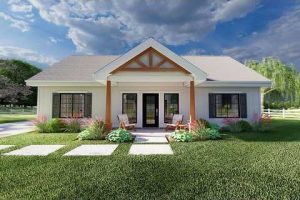
When most people think about escaping the noise of urban life, the idea of a country home comes to mind — a place where rolling hills, open skies, and rustic charm replace concrete jungles and traffic jams. But a country home is far more than just a rural property. It represents a lifestyle, a design philosophy, and a deeply rooted connection to the land and community around it. Whether you are a first-time buyer exploring countryside living or an experienced homeowner looking to renovate a vintage barn into your dream retreat, understanding what makes a country home truly special can help you make informed decisions. In this comprehensive guide, we will dive deep into the defining characteristics, architectural styles, interior design trends, practical buying tips, and everything else you need to know about embracing the countryside lifestyle.
What Exactly Is a Country Home?
A country home is a residential property typically located in a rural or semi-rural setting, characterized by traditional building materials, a connection to nature, and a simpler way of living. Unlike suburban houses designed primarily for commuting, country homes are often situated on larger plots of land, surrounded by farmland, forests, or meadows. The term encompasses everything from centuries-old farmhouses and stone cottages to modern rustic retreats that blend contemporary comfort with pastoral aesthetics.
The appeal of country living lies in its ability to offer peace, space, and a slower pace of life. For many, a country home is not just a real estate investment — it is a personal sanctuary where the stresses of daily life melt away amid fresh air, open landscapes, and a genuine sense of community.
Defining Features of a Country Home
While every country home is unique, several hallmark features set them apart from urban and suburban properties. Understanding these characteristics can help you identify the right property and communicate your vision clearly to architects, builders, or real estate agents.
Natural and Local Building Materials
Authentic country homes are almost always constructed using materials sourced from the surrounding region. Think limestone walls, timber beams, slate roofing, and exposed brick. These materials are not only visually striking but also age gracefully, developing a rich patina over decades that adds character and authenticity. Homes built with local stone or reclaimed wood tend to have better thermal mass, meaning they stay naturally cooler in summer and warmer in winter — a huge advantage for energy efficiency.
Generous Outdoor Space
One of the most defining aspects of a country property is the land. Large gardens, orchards, barns, and open fields are common features. This outdoor space is not merely decorative — it serves practical purposes like growing your own food, raising livestock, or simply enjoying nature at your doorstep. For families with children or pets, the generous acreage provides a safe, stimulating environment that urban lots simply cannot match.
Rustic and Functional Interior Design
Inside a country home, you will typically find open-plan living areas with high ceilings, wide-plank wooden floors, fireplace hearths, and large windows designed to capture natural light and scenic views. The interior design philosophy prioritizes warmth, comfort, and functionality over minimalist or ultra-modern aesthetics. Think thick quilts, woven textiles, antique furniture, and handcrafted décor that tells a story.
Connection to the Local Community
Country homes are often embedded in tight-knit rural communities where neighbors know each other and local traditions thrive. Village markets, church events, harvest festivals, and agricultural fairs form the social fabric of countryside life. This sense of belonging and mutual support is one of the most rewarding aspects of owning a country property.
Popular Country Home Architectural Styles
Country homes come in a variety of architectural styles, each reflecting regional traditions and historical influences. Here are some of the most beloved styles you will encounter:
- Farmhouse Style — Originating from practical agricultural buildings, farmhouse homes feature rectangular footprints, gabled roofs, large kitchens, and wraparound porches. The modern farmhouse trend has exploded in popularity, blending original rustic elements with sleek contemporary finishes.
- Cottage Style — Smaller and cozy, cottages often feature thatched or shingled roofs, charming window boxes, and intimate interiors. They are especially popular in the English countryside and Irish landscapes.
- Rustic Lodge — Inspired by mountain and woodland retreats, rustic lodges use heavy timber construction, stone fireplaces, and rough-hewn textures to create a warm, cabin-like atmosphere.
- Mediterranean Country Home — Found in southern Europe, these homes feature stucco walls, terracotta tile roofs, arched doorways, and courtyards designed for warm climates and outdoor living.
- Colonial Farmhouse — Common in the American countryside, these homes combine symmetrical colonial proportions with practical farmhouse elements like large hearths and wide front porches.
Country Home vs. Modern Suburban Home: A Comparison
Deciding between a country home and a modern suburban property depends on your priorities, lifestyle, and long-term goals. Use the table below to compare key factors at a glance.
| Feature | Country Home | Modern Suburban Home |
| Space and Land | Large plots, often several acres | Modest yards, smaller lot sizes |
| Privacy | Very high, surrounded by nature | Moderate, close proximity to neighbors |
| Commute and Accessibility | Requires a vehicle, longer drives | Close to offices, schools, and amenities |
| Maintenance | Higher, especially for large grounds | Lower, smaller outdoor areas |
| Purchase Price | Varies widely; can be affordable or very high | Generally consistent with urban market rates |
| Lifestyle | Slower pace, nature-focused, community-driven | Convenient, connected, amenity-rich |
| Property Value Appreciation | Steady, driven by scarcity and desirability | Depends heavily on school districts and location |

As you can see from the table above, each option has clear trade-offs. A country home demands more effort in terms of upkeep and travel, but it rewards you with unparalleled space, tranquility, and a deeper connection to the natural world.
Interior Design Ideas for Your Country Home
Designing the interior of a country home is where personal style truly shines. The goal is to create spaces that feel warm, inviting, and rooted in tradition while still being livable and functional for modern daily life.
Color Palettes
Neutral tones like cream, soft beige, sage green, and warm white form the foundation of most country interiors. Accent colors often draw from the natural landscape — think muted golds, dusty blues, terracotta reds, and deep forest greens. Avoid stark whites and harsh blacks, which can feel cold and out of place in a rustic setting.
Furniture and Textiles
Choose furniture with visible wood grain, turned legs, and worn finishes. Upholstered pieces in linen, cotton, or wool add texture and comfort. Layering is key — combine quilts, woven rugs, knit throws, and linen curtains to build depth and coziness in every room.
Lighting

Natural light is your greatest ally in a country home. Maximize it with large windows, sheer curtains, and strategically placed mirrors. For artificial lighting, opt for warm-toned bulbs, wrought-iron chandeliers, and candle-style sconces that enhance the intimate atmosphere.
Kitchen and Dining Areas
The kitchen is the heart of any country home. Open shelving with ceramic dishes, a large farmhouse sink, butcher block countertops, and a wood-burning stove (or its modern equivalent) create the quintessential gathering space. A spacious dining table, ideally made from reclaimed timber, anchors the room and invites family and friends to share meals together.
Practical Tips for Buying or Building a Country Home
Whether you are purchasing an existing property or starting from scratch, country home ownership comes with unique considerations that differ significantly from urban real estate.
- Research Zoning and Land Use Regulations — Rural properties often come with specific zoning laws that dictate what you can build, farm, or alter on the land. Always check local ordinances before making any commitments.
- Inspect Water and Septic Systems — Unlike urban homes connected to municipal systems, country properties may rely on wells and septic tanks. Have both thoroughly inspected and tested before purchase.
- Evaluate Access and Road Conditions — Dirt roads, seasonal flooding, and long distances to the nearest town can impact daily life. Visit the property during different weather conditions to get a realistic picture.
- Budget for Higher Maintenance Costs — Large properties require more upkeep. Factor in costs for landscaping, roof maintenance, fence repair, and HVAC systems that may need to cover a larger square footage.
- Consider Renewable Energy Options — Many country homeowners invest in solar panels, wind turbines, or geothermal systems. These can significantly reduce utility costs and increase property value over time.
- Work with Local Architects and Builders — Professionals who understand regional building codes, weather patterns, and local materials will deliver better results and help you avoid costly mistakes.
Long-Tail Keyword FAQs
What are the best country home design trends for 2024?
The top trends for 2024 include biophilic design that integrates indoor and outdoor living, the use of reclaimed and sustainable materials, muted earth-tone color schemes, and open-concept kitchens paired with cozy sitting areas. Energy-efficient upgrades such as triple-glazed windows and smart home systems are also becoming standard in modern country properties.
How much does it cost to renovate a country home?
Renovation costs vary widely depending on the property’s condition, location, and scope of work. On average, homeowners spend between $30,000 and $150,000 for major renovations, which can include updating plumbing, rewiring electrical systems, restoring original architectural features, and improving insulation for energy efficiency.
What are the advantages of living in a country home?
The advantages include greater privacy, more outdoor space, lower population density, a healthier environment with cleaner air, stronger community bonds, and often a lower cost of living compared to urban centers. Country living also offers opportunities for gardening, raising animals, and enjoying a slower, more intentional lifestyle.
How do I maintain a country home properly?
Regular maintenance includes inspecting the roof and gutters, servicing well and septic systems annually, managing vegetation and drainage around the property, checking fences and outbuildings, and preparing the home for seasonal weather changes. Creating a seasonal maintenance checklist is one of the best ways to stay on top of these tasks.
Can a country home be a good long-term investment?
Yes, country homes can be excellent long-term investments, especially in areas experiencing rural migration trends, tourism growth, or proximity to expanding metropolitan regions. Properties with unique architectural features, large acreage, and strong rental potential tend to appreciate steadily over time.
Final Thoughts
A country home is more than just a place to live — it is a statement about the kind of life you want to lead. It represents a deliberate choice to slow down, reconnect with nature, and build meaningful relationships with the people and landscape around you. Whether you are drawn to the timeless elegance of a stone farmhouse, the charm of a whitewashed cottage, or the rugged beauty of a timber lodge, the world of country living offers something genuinely special. By understanding the architectural styles, design principles, practical considerations, and community dynamics outlined in this guide, you are well-equipped to find, create, or transform the country home of your dreams. The countryside is waiting — and it has so much to offer those willing to embrace it.