Crafts for adults have evolved far beyond simple hobbies—they represent a powerful movement toward mindfulness, self-expression, and skill-building in a world increasingly dominated by screens and burnout. Whether you are looking to unwind after a long workday, develop a new talent, or even launch a small side business, the world of adult crafting offers something genuinely meaningful for everyone. From knitting and resin art to woodworking and candle making, the landscape of crafts for adults has expanded dramatically in recent years. This comprehensive guide explores the best craft ideas across every skill level, provides expert recommendations, and answers the most frequently asked questions that beginners and seasoned makers alike want to know.
Why Crafts for Adults Are Experiencing a Massive Comeback
There has never been a better time to dive into crafting as an adult. The global maker movement, amplified by social media platforms like TikTok and Pinterest, has brought DIY culture into the mainstream. But the appeal goes deeper than trends. Studies consistently show that hands-on creative activities reduce cortisol levels, combat anxiety, and improve overall emotional well-being. Crafting activates the brain’s reward centers in much the same way that meditation does, offering what psychologists call a flow state—a deeply immersive focus that quiets mental chatter and restores a sense of calm.
The Science Behind Crafting and Mental Health
Research published in the Journal of Positive Psychology found that people who engage in daily creative tasks report greater feelings of enthusiasm and flourishing the following day. Crafting also strengthens fine motor skills, enhances problem-solving abilities, and builds a sense of accomplishment that many adults find missing from their desk jobs. Unlike passive entertainment, creating something tangible with your hands provides a uniquely satisfying feedback loop that keeps people coming back for more.
Best Beginner-Friendly Crafts for Adults
If you are just starting out, the sheer number of options can feel overwhelming. The key is to choose projects that are accessible, affordable, and genuinely enjoyable. Below are some of the most popular entry-level crafting hobbies that adults are embracing right now.
1. Knitting and Crocheting — These textile crafts are arguably the most approachable entry points for beginners. All you need is a set of yarn and a pair of needles or a crochet hook. YouTube tutorials and free patterns on platforms like Ravelry make it easy to learn foundational stitches within an afternoon. Many beginners start with simple scarves or dishcloths before progressing to more complex garments.
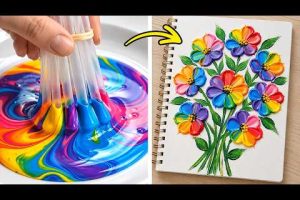
2. Acrylic Pour Painting — Also known as flow art, this technique involves pouring thinned acrylic paint onto a canvas to create mesmerizing abstract designs. No prior painting experience is necessary. Starter kits are widely available and affordable, and the process itself is incredibly meditative and forgiving—there is no wrong way to pour.
3. Candle Making — Crafting soy wax candles with essential oils has surged in popularity as both a hobby and a potential income stream. Beginner candle making kits typically include wax, wicks, fragrance oils, and molds, making it one of the simplest crafts to try at home.
4. Cross-Stitch and Embroidery — These counted-thread techniques offer a rhythmic, repetitive quality that many find deeply calming. Pre-screened hoops and beginner kits remove the intimidation factor, allowing you to create beautiful wall art or personalized gifts from your very first project.
5. Polymer Clay Jewelry — Sculpting small earrings, pendants, and beads from polymer clay is an excellent way to develop fine motor precision while producing wearable art. Baking the clay in a standard home oven makes the process incredibly simple.
Easy Craft Projects to Start This Weekend
- Macrame plant hanger — requires only cotton cord and a basic knotting tutorial
- Resin coaster set — uses a silicone mold, epoxy resin, and dried flowers or mica powder
- Tie-dye T-shirts — an inexpensive way to explore color theory and pattern design
- Hand-lettered greeting cards — uses brush pens and cardstock to create personalized stationery
- Decoupage furniture accents — transforms thrift store finds with patterned paper and Mod Podge
Intermediate Crafts That Challenge Your Creativity
Once you have built foundational skills and confidence, intermediate projects push your abilities further while keeping the experience rewarding rather than frustrating. These crafts require more specialized tools, a bit more patience, and a willingness to learn from mistakes.
Watercolor Illustration moves beyond simple pour painting into controlled artistic expression. Learning gradients, wet-on-wet techniques, and color mixing opens up an entirely new creative dimension.
Weaving on a Lap Loom is a fantastic intermediate craft that introduces textile structure. You can create wall hangings, tapestry pieces, and even small bags using simple frame looms that cost under $30.
Leather Crafting encompasses tooling, stitching, and dyeing vegetable-tanned leather to produce wallets, journals, belts, and bags. It requires specific rotary punches, stitching chisels, and edge burnishers, but the results are professional-grade.
Pottery and Hand-Building Ceramics offers a deeply tactile experience. While wheel-throwing requires studio access, hand-building techniques like coil pots, pinch pots, and slab construction can be done at home with basic air-dry clay or access to a community kiln.
Leveling Up Your DIY Skills
To progress from beginner to intermediate, consider these practical strategies:
- Dedicate a consistent weekly time block for practice rather than sporadic sessions
- Invest in one quality tool or material upgrade at a time instead of buying everything at once
- Join online communities or local maker groups for feedback and motivation
- Document your projects in a crafting journal to track progress and identify areas for improvement
- Take one structured online course focused on a specific technique you want to master
Advanced Crafting Techniques for Seasoned Makers
For adults who have spent years honing their skills, advanced crafting represents the intersection of artistry, engineering, and deep expertise. These disciplines demand specialized equipment, extensive knowledge, and a commitment to continuous learning.
Furniture Restoration and Upcycling involves stripping, sanding, staining, and refinishing vintage pieces to restore or transform them. Understanding wood species, grain patterns, and finishing chemistry separates a hobbyist from a true craftsperson.
Glassblowing is one of the most physically demanding and technically complex crafting disciplines. Working with molten glass at temperatures exceeding 2,000 degrees Fahrenheit requires specialized studios, safety equipment, and years of practice to master even basic forms.
Blacksmithing and Metalwork combines traditional forge techniques with modern design sensibilities. Creating custom knives, architectural ironwork, or decorative metal sculptures demands knowledge of metallurgy, heat treatment, and precision tool use.
Sewing and Garment Construction at an advanced level encompasses pattern drafting, draping, and working with challenging fabrics like silk, wool suiting, and leather. Many advanced sewists design their own patterns and construct entirely original garments.
Digital Crafting with CNC and Laser Cutting represents the modern frontier of making. Using design software and computer-controlled machines, crafters can produce intricate woodwork, personalized signage, and precision-cut materials with remarkable accuracy.
Comparison Table — Best Crafts by Interest and Skill Level
| Craft | Skill Level | Startup Cost | Best For |
| Knitting | Beginner to Advanced | $20–$40 | Relaxation, wearable projects |
| Acrylic Pour Painting | Beginner | $15–$30 | Abstract art, stress relief |
| Candle Making | Beginner | $25–$50 | Home décor, potential business |
| Leather Crafting | Intermediate | $60–$150 | Functional accessories, precision work |
| Watercolor Illustration | Intermediate | $30–$60 | Artistic expression, journaling |
| Ceramics | Intermediate to Advanced | $50–$200+ | Tactile experience, functional pottery |
| Furniture Restoration | Advanced | $100–$500+ | Upcycling, woodworking skills |
| Glassblowing | Advanced | $500+ (studio fees) | Artistic mastery, unique pieces |
Expert Tips for Building a Productive Craft Space
Setting up a dedicated crafting area at home can dramatically improve your productivity and enjoyment. Here are expert-backed recommendations for creating a space that inspires consistent making.
- Start with good lighting. Natural light is ideal, but supplement with adjustable LED task lights that reduce eye strain during detailed work.
- Invest in modular storage. Clear bins, pegboards, and rolling carts keep supplies visible and accessible, minimizing setup time between sessions.
- Designate a cleanup routine. A clean workspace reduces friction and makes it far easier to return to your project on subsequent days.
- Ventilation matters. If you work with resins, paints, or adhesives, ensure proper airflow or use a dedicated ventilation system to protect your health.
- Keep a project board. A corkboard or magnetic board near your workspace helps you visualize ongoing projects, pinned patterns, and inspiration images.
- Limit your active projects. Experienced crafters recommend having no more than two or three works-in-progress at a time to maintain focus and avoid creative overwhelm.
FAQs About Crafts for Adults
What are the easiest crafts for adults with no prior experience?
Acrylic pour painting, basic knitting, candle making, and tie-dye are consistently rated as the most accessible starting points. These crafts require minimal initial investment and can yield satisfying results within your first session, building the momentum you need to explore more complex projects over time.
Can crafting as an adult actually reduce stress and anxiety?
Yes, research supports this claim. Repetitive hand motions and focused creative engagement activate the parasympathetic nervous system, lowering heart rate and cortisol. The American Art Therapy Association recognizes crafting as a legitimate form of self-care that promotes emotional regulation and mindfulness.
Which crafts for adults can generate extra income?
Candle making, resin art, leather goods, hand-knit accessories, and digital cutting projects are among the most monetizable crafts. Platforms like Etsy, Shopify, and local farmers markets provide accessible avenues for selling handmade goods. Starting with one product line and validating demand before scaling is the most sustainable approach.
What supplies do I need for my first crafting project?
This depends entirely on the craft you choose. For painting, a basic canvas set, acrylic paints, and brushes are sufficient. For knitting, a skein of medium-weight yarn and a pair of size 8 needles will get you started. Most beginner kits include everything you need, and you can always expand your supply collection as your skills grow.
How do I stay motivated when learning a new craft as an adult?
Set small, achievable milestones rather than expecting perfection from the start. Join online communities where you can share progress and receive encouragement. Tracking your projects in a visual journal—whether physical or digital—provides tangible evidence of improvement that fuels long-term motivation and commitment.
Conclusion
Crafts for adults offer far more than a way to pass the time—they provide a pathway to better mental health, meaningful self-expression, and tangible skill development that enriches every aspect of daily life. Whether you are picking up yarn for the first time or refining advanced woodworking techniques, the crafting journey meets you exactly where you are. The most important step is simply to begin. Choose a project that sparks genuine curiosity, gather your supplies, and give yourself permission to learn imperfectly. In time, you will discover that the crafts you create are not just objects—they are reflections of your patience, creativity, and growth as an adult who chooses to make something with their own hands.