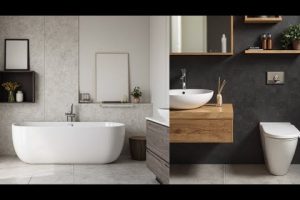
When it comes to transforming one of the most utilitarian spaces in any home into a sanctuary of style and function, few professionals deliver the level of impact that bathroom designers bring to the table. Whether you are planning a complete bathroom renovation, building a custom home from scratch, or simply dreaming about the perfect spa-like retreat, understanding how professional bathroom designers work can make the difference between a room that merely looks good and a space that genuinely transforms your daily routine. This comprehensive guide dives deep into what bathroom designers actually do, how to choose the right one for your project, what the design process looks like, and the emerging trends reshaping the industry in 2024 and beyond.
What Does a Bathroom Designer Actually Do?
A bathroom designer is a specialized professional who combines architectural knowledge, interior design principles, plumbing expertise, and spatial planning to create bathrooms that are both aesthetically stunning and fully functional. Unlike a general interior designer, a dedicated bathroom designer understands the unique challenges this room presents: moisture management, ventilation requirements, fixture sizing, waterproofing, building codes, and the complex interplay between form and drainage.
These professionals handle everything from initial concept development and mood boarding to detailed technical drawings, material selection, fixture specification, and project coordination. They work closely with contractors, plumbers, electricians, and tile setters to ensure that the vision on paper becomes a reality on the floor. A skilled bathroom designer does not just pick out tiles and faucets — they engineer an experience.
Types of Bathroom Designers and Their Specializations
Not all bathroom designers are created equal. The field spans several distinct professional profiles, each bringing a different set of skills and value propositions to the table.
Independent Freelance Bathroom Designers
Freelance bathroom designers typically work on a per-project basis and offer highly personalized attention. They often have deep expertise in specific styles — such as modern minimalist, Victorian restoration, or coastal cottage aesthetics. Because they operate independently, they tend to offer more flexible scheduling and competitive pricing compared to larger firms.
Design Firm Teams
Established design firms employ multiple designers and support staff, allowing them to tackle larger commercial projects or high-end residential developments simultaneously. These firms often have dedicated in-house rendering teams and relationships with premium suppliers, giving clients access to exclusive materials and fixtures.
Showroom-Based Bathroom Designers
Many bathroom fixture manufacturers and showrooms employ in-house designers who can help you select products directly from their catalog. While convenient and often cost-effective, these designers may have a narrower product range and a built-in bias toward their brand’s offerings.
Bath Design Specialists and Certifications
Look for professionals who hold certifications from recognized bodies such as the National Kitchen and Bath Association (NKBA) or the American Society of Interior Designers (ASID). These credentials signal a commitment to industry standards, ongoing education, and ethical practice.
How to Choose the Right Bathroom Designer for Your Project
Selecting the ideal bathroom designer requires more than just scrolling through portfolios online. Here is a practical framework to guide your decision:
- Review their portfolio thoroughly. Look for projects that mirror your bathroom’s size, style goals, and complexity. A designer who excels at compact urban powder rooms may not be the best fit for a sprawling luxury master bath.
- Check references and read reviews. Reach out to past clients and ask specific questions about timelines, budget adherence, and communication quality.
- Understand their fee structure. Some designers charge flat project fees, others bill hourly, and some work on a percentage of the total construction cost. Make sure you know exactly what you are paying for before signing any agreement.
- Assess their technical knowledge. The best bathroom designers understand load-bearing walls, plumbing routing, electrical requirements, and local building codes — not just aesthetics.
- Evaluate communication style. You will be working closely with this person for weeks or months. Choose someone who listens actively and communicates clearly.
The Bathroom Design Process: Step by Step
Understanding the typical bathroom design process helps set realistic expectations and ensures you get the most value from your collaboration with a professional.
- Discovery and Consultation. The designer meets with you to discuss your needs, lifestyle, budget, and vision. They take measurements and assess existing conditions.
- Concept Development. Based on the discovery phase, the designer creates mood boards, color palettes, and preliminary layout concepts for your review.
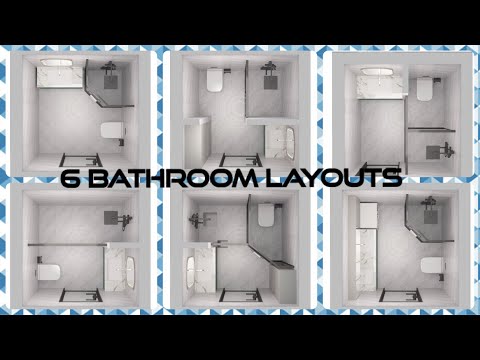
- Schematic Design. Detailed floor plans, elevation drawings, and 3D renderings are produced so you can visualize the final result before any work begins.
- Material and Fixture Selection. The designer guides you through choosing tiles, vanities, shower systems, lighting, hardware, and accessories that align with the design concept and budget.
- Construction Documents. Technical drawings, specifications, and procurement lists are finalized for contractors and suppliers.
- Project Management. Many designers oversee the installation phase, coordinating trades, resolving issues, and ensuring quality control.
- Final Walkthrough and Handover. The completed bathroom is inspected, punch-list items are addressed, and the project is formally closed.
Bathroom Design Trends That Top Designers Are Embracing in 2024
The world of bathroom design is evolving rapidly, and staying current with trends can help you create a space that feels timeless yet contemporary.
Biophilic and Nature-Infused Design
Natural stone, living green walls, organic shapes, and water features are increasingly popular as bathroom designers incorporate elements that connect the space to the natural world. Materials like travertine, river rock, and reclaimed wood are trending heavily.
Accessible and Universal Design
Aging-in-place principles and universal design are no longer niche concerns. Leading bathroom designers are integrating curbless showers, grab bars disguised as design elements, and adjustable-height fixtures into projects for clients of all ages.
Smart Bathroom Technology
Heated floors with smart thermostats, digital shower controls, mirrors with embedded LED lighting and defoggers, and sensor-activated faucets are becoming standard features that sophisticated bathroom designers specify for tech-forward homeowners.
Freestanding Soaking Tubs as Focal Points
Rather than tucking tubs into corners, designers are placing them as central anchors in the room, often paired with floor-to-ceiling windows or striking feature walls.
Freelance vs. Agency Bathroom Designers: Which Is Right for You?
| Criteria | Freelance Designer | Design Agency |
| Personal Attention | High — you work directly with the designer | Moderate — you may interact with a team |
| Pricing | Generally more flexible and often lower | Tends to be higher due to overhead |
| Project Scope | Best for residential and smaller projects | Can handle large commercial and multi-unit projects |
| Availability | May have limited scheduling | Multiple designers available for coverage |
| Specialization | Often deeply specialized in a niche style | Broader range of expertise across the team |
| Accountability | Direct one-on-one relationship | Structured project management processes |
Frequently Asked Questions About Bathroom Designers
How much does it cost to hire a professional bathroom designer?
Bathroom design fees vary widely based on location, project complexity, and the designer’s experience level. Most professionals charge anywhere from $50 to $250 per hour, while flat project fees for a full bathroom renovation typically range from $1,500 to $10,000 or more. Some designers charge a percentage of the total renovation budget, commonly between 10% and 20%. The investment often pays for itself through material savings, avoided mistakes, and a design that maximizes your space’s potential.

What should I look for in a bathroom designer’s portfolio?
When evaluating a bathroom designer’s portfolio, look for projects similar in scope and style to what you envision. Pay attention to how they handle spatial constraints, lighting design, material transitions, and detailing. A strong portfolio should show not just finished beauty shots but also floor plans, material boards, and before-and-after comparisons that demonstrate the designer’s problem-solving abilities.
Can a bathroom designer help me stay within budget?
Absolutely. One of the most valuable services a professional bathroom designer provides is budget management. They help you prioritize spending on high-impact elements like fixtures and waterproofing while identifying cost-effective alternatives for less visible components. A good designer will provide a detailed cost breakdown before any work begins and monitor expenses throughout the project to prevent overruns.
How far in advance should I book a bathroom designer for my renovation?
Booking timelines depend on your local market and the designer’s availability. In high-demand areas, it is advisable to engage a bathroom designer at least six to eight weeks before your planned start date. For complex projects involving custom cabinetry or imported fixtures, booking three to four months ahead ensures adequate time for design development, material sourcing, and permitting if required.

What makes a bathroom designer different from a general interior designer?
Bathroom designers possess specialized knowledge in areas that general interior designers may not routinely address, including waterproofing systems, moisture-resistant materials, plumbing integration, ventilation requirements, slip-resistant surfaces, and building code compliance specific to wet environments. This specialized expertise results in bathrooms that are not only beautiful but also durable, safe, and built to last.
The right bathroom designer does far more than make your bathroom look attractive — they transform how you experience one of the most private and essential rooms in your home. By understanding the different types of professionals available, the design process they follow, and the questions to ask during your search, you are already ahead of most homeowners embarking on a renovation journey. Take the time to find a designer whose vision aligns with yours, whose technical knowledge inspires confidence, and whose communication style keeps you informed every step of the way. Your dream bathroom is closer than you think when you partner with the right expert.