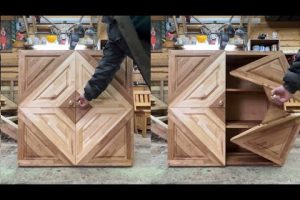
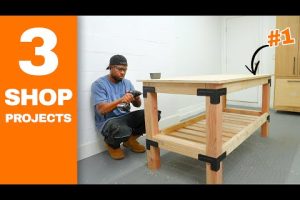
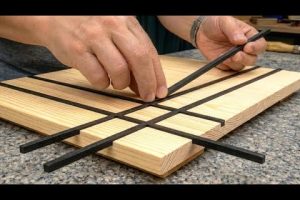
There is something deeply satisfying about sitting on a chair you built yourself or placing your laptop on a shelf you designed and crafted from scratch. DIY furniture projects have exploded in popularity over the past few years, and for good reason. They offer creative freedom, significant cost savings, and the pride of owning something truly unique in your home. Whether you are a complete novice picking up a saw for the first time or a seasoned woodworker looking for a new challenge, there has never been a better time to start building your own custom pieces. In this comprehensive guide, we will walk you through everything you need to know — from beginner-friendly builds to advanced woodworking techniques — so you can confidently tackle your next home furniture project.
Why DIY Furniture Projects Are Surging in Popularity
The rise of DIY furniture builds is not just a trend; it is a movement driven by affordability, sustainability, and personal expression. Mass-produced furniture often comes with generic designs, low-quality materials, and inflated prices. When you build your own pieces, you control every aspect — from the type of wood and finish to the dimensions and style. Homeowners increasingly want their living spaces to reflect their personality, and custom-built furniture is the most direct way to achieve that. Additionally, the abundance of online tutorials, free build plans, and supportive woodworking communities has made getting started far less intimidating than it was even a decade ago.
Best DIY Furniture Projects for Beginners
If you are just starting out, the key is to choose projects that teach fundamental skills without overwhelming you. Simple builds help you understand measurement, cutting, assembly, and finishing — all critical skills for more complex projects later. Here are some excellent starting points:
- Floating Shelves: These require minimal materials and tools, yet they instantly add storage and visual interest to any room. They are perfect for practicing clean cuts and precise mounting.
- Simple Wooden Bench: A basic bench teaches you about joinery, leg construction, and surface finishing. You can build one from a single pine or cedar board with basic hardware.
- Pallet Coffee Table: Repurposed pallets are affordable and versatile. This project introduces you to sanding, staining, and assembling reclaimed wood into a functional piece.
- Nightstand or Side Table: Building a small table with a shelf helps you practice box joints or pocket screw construction while creating something genuinely useful.
Start with softwoods like pine or poplar. They are forgiving, affordable, and easy to work with using basic tools. As you complete two or three beginner projects, you will develop the confidence to tackle more ambitious builds.
Intermediate DIY Furniture Builds That Impress
Once you have mastered the basics, intermediate projects push your skills further by introducing more complex joinery, multi-part construction, and refined finishing techniques. These builds are impressive enough to be focal pieces in your home and substantial enough to really challenge your growing abilities.
DIY Farmhouse Table
A farmhouse-style dining table is one of the most popular intermediate DIY furniture projects. It involves gluing up table planks, constructing tapered legs, and either using mortise-and-tenon joints or pocket hole joinery for the apron. The project teaches you about wood movement, edge joining, and achieving a perfectly level surface. A well-built farmhouse table can become a family heirloom.
Storage Bed Frame with Drawers
Building a platform bed frame with integrated drawer storage combines carpentry, cabinet-making, and spatial planning. You will need to account for weight distribution, clearance for drawer slides, and precise measurements to ensure everything fits within a standard mattress size. This project dramatically increases your understanding of structural design.
Wall-Mounted Desk with Cable Management
A floating desk adds workspace without consuming floor area. Incorporating cable management channels and hidden storage compartments elevates this project from simple to sophisticated. It requires careful planning of wall studs, weight capacity, and clean cable routing.
Advanced DIY Furniture Projects for Experienced Builders
For those who have been woodworking for a while, advanced projects offer the opportunity to refine craftsmanship and explore artistic expression. These builds demand precision, patience, and often specialized equipment.
- Curved Slab Dining Table: Using live-edge slabs and metal hairpin legs, this project involves extensive sanding, epoxy resin filling, and finish sealing to preserve the natural beauty of the wood.
- Arched Bookshelf with Joinery: Cutting dados, rabbets, and decorative arches into plywood or hardwood panels tests your precision and jig-building skills.
- Upholstered Headboard with Built-in Lighting: Combining woodworking with upholstery and basic electrical work, this project blurs the line between carpentry and interior design.
- Multi-Piece Cabinet with Soft-Close Dovetail Drawers: Hand-cut dovetails are the ultimate test of traditional woodworking skill. Building a full cabinet with drawers using this joinery method is deeply rewarding and showcases mastery.
Essential Tools and Materials for DIY Furniture Building
Before you start any build, having the right tools and materials on hand saves time, prevents frustration, and ensures professional-quality results. You do not need every tool on the market, but investing in quality essentials pays off.
Essential Power Tools
- Circular Saw or Table Saw: The backbone of any DIY furniture workshop. A table saw offers more precision, while a circular saw is more portable and budget-friendly.
- Random Orbital Sander: Crucial for achieving smooth surfaces before finishing. Start with 80-grit and progress to 220-grit for a glass-like surface.
- Drill and Driver Set: Essential for driving screws, drilling pilot holes, and using pocket hole jigs.
- Jigsaw: Ideal for cutting curved shapes and intricate cutouts in panels.

Must-Have Hand Tools and Hardware
- Tape measure, combination square, and pencil for accurate marking
- Clamps of various sizes for assembly and glue-up
- Wood glue and pocket hole screws for strong joints
- Sandpaper in multiple grits (80, 120, 220)
- Wood finish options: polyurethane, Danish oil, tung oil, or wax
Wood Selection Guide: Choosing the Right Material
The wood you choose defines the look, durability, and cost of your project. Here is a quick reference to help you decide:
| Wood Type | Best For | Hardness | Price Range |
| Pine | Beginner shelves, benches, and painted pieces | Soft | Budget-friendly |
| Poplar | Painted furniture, drawers, and utility items | Medium-Soft | Affordable |
| Oak | Tables, chairs, and heavy-duty builds | Hard | Moderate |
| Walnut | Premium tables, desks, and heirloom pieces | Hard | Premium |
| Birch Plywood | Cabinets, shelves, and modern minimalist builds | Medium | Moderate |
| Cedar | Outdoor furniture, chests, and aromatic pieces | Soft | Moderate |
Always account for wood movement by allowing proper drying time and using expansion gaps in your joinery. Purchasing lumber from a local hardwood dealer often gives you better quality and more consistent stock than big-box home improvement stores.
Project Difficulty Comparison at a Glance
| Criteria | Beginner | Intermediate | Advanced |
| Skill Level Required | Basic measuring and cutting | Joinery and finishing | Complex joinery and design |
| Tools Needed | Saw, drill, sander | Add table saw, planer | Add router, jointer, lathe |
| Time Investment | 1–3 days | 1–2 weeks | 2–6 weeks |
| Cost Range | $30–$100 | $100–$400 | $400–$2,000+ |
| Best Wood Types | Pine, poplar | Oak, plywood | Walnut, mahogany |
Expert Tips for Professional-Quality DIY Furniture

Even experienced builders make mistakes, but professionals have habits that consistently produce better results. Follow these expert tips to elevate your builds:
- Measure Twice, Cut Once: This old adage exists for a reason. Always double-check measurements before making any cut, and consider marking a “knife line” with a marking gauge for surgical precision.
- Prepare Your Stock Before Assembly: Sand, stain, and finish individual pieces before assembling them. It is infinitely easier to reach every surface when the parts are still separate.
- Use Painter’s Tape for Clean Glue-Up: Apply tape over surfaces you do not want glue on. Glue squeeze-out peels right off, saving you hours of scraping and cleanup.
- Invest in Quality Clamps: Insufficient clamping pressure is one of the most common reasons for weak joints. Use more clamps than you think you need.
- Sand in Stages: Never skip grit levels. Progress from coarse to fine (80 to 120 to 220) for the smoothest possible finish before applying stain or sealant.
- Let Wood Acclimate: Bring your lumber into your workshop at least 48 hours before building. This allows it to adjust to your environment and minimizes post-build warping.
Frequently Asked Questions
What are the easiest DIY furniture projects for absolute beginners?
Floating shelves, simple benches, and pallet coffee tables are widely considered the easiest DIY furniture projects for beginners. They require only a few basic tools, minimal wood, and straightforward construction techniques. Starting with these builds builds your confidence and skill set before moving on to more complex furniture pieces.
What tools do I need to start building DIY furniture at home?
To begin your DIY furniture building journey, you need a circular saw or table saw, a drill and driver, a random orbital sander, clamps, a tape measure, a combination square, and basic hardware like screws and wood glue. You can start with these essentials and gradually add tools like a planer, router, or jigsaw as your projects become more ambitious.
How do I choose the best wood for my DIY furniture project?
Your choice of wood depends on your budget, skill level, and the intended use of the piece. Pine and poplar are excellent for beginners because they are soft, affordable, and easy to work with. Hardwoods like oak and walnut are ideal for furniture that needs to withstand heavy daily use. For outdoor projects, cedar and teak are naturally weather-resistant and durable choices.
Can I build quality DIY furniture using only hand tools?
Absolutely. While power tools speed up the process significantly, many skilled woodworkers build beautiful, functional furniture using only hand tools like hand saws, chisels, hand planes, and carving knives. Hand tool woodworking offers a quieter, more meditative experience and develops a deeper understanding of wood behavior and precision cutting.
How much does it typically cost to build DIY furniture compared to buying it?

DIY furniture projects typically cost 40% to 70% less than purchasing equivalent ready-made furniture from retail stores. A beginner floating shelf might cost $20 to $40 in materials compared to $80 to $150 for a store-bought version. The savings increase dramatically with larger pieces like dining tables and storage beds, especially when using affordable softwoods and reclaimed materials.
Where can I find reliable free DIY furniture plans and build guides?
Reputable sources for free DIY furniture plans include woodworking blogs, YouTube channels dedicated to furniture builds, and websites like Ana White, The Wood Whisperer, and DIY Network. Many of these resources provide detailed cut lists, step-by-step instructions, and material lists. Pinterest and Instagram are also excellent for discovering trending furniture project ideas and connecting with a community of fellow builders.
Conclusion
DIY furniture projects offer one of the most rewarding paths to personalizing your living space while developing a valuable, lifelong skill. Whether you are building your very first floating shelf or tackling a hand-cut dovetail cabinet, every project adds to your knowledge and capability. Start small, embrace mistakes as learning opportunities, invest in quality tools and materials, and most importantly — enjoy the process. The furniture you build today will not only serve a functional purpose for years to come but will carry the story of your craftsmanship and creativity in every joint and finish line.