


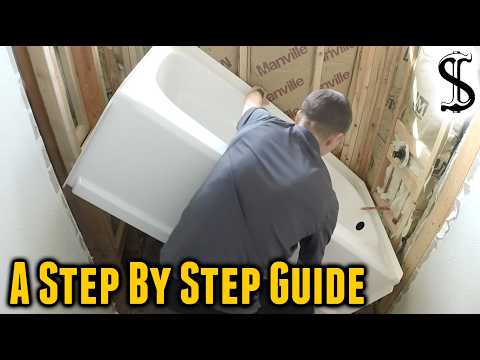
When your old bathtub is cracked, discolored, or simply outdated, knowing how to handle a bath replace project can transform your bathroom into a space that feels modern, functional, and inviting. Whether you are dealing with a leaking fixture, water damage, or just a desire for an upgrade, replacing your bath is one of the most impactful home improvement decisions you can make. This comprehensive guide walks you through every aspect of bath replacement, from choosing the right material to understanding costs, avoiding common pitfalls, and ensuring a professional-quality finish that lasts for decades.
Why You Should Replace Your Bath
There comes a point in every homeowner’s journey when bath replacement becomes not just desirable but necessary. Understanding the reasons behind this decision helps you prioritize your renovation budget effectively.
- Structural Damage: Cracks, chips, and leaks can compromise the integrity of your entire bathroom floor and substructure.
- Health Concerns: Mold, mildew, and bacteria thrive in worn-out plumbing and damaged surfaces around an old bathtub.
- Energy Efficiency: Modern bathtubs are designed with better insulation, keeping water warmer longer and reducing utility costs.
- Aesthetic Value: An outdated bath drags down your entire home’s curb appeal and resale value.
- Functionality: Newer models offer improved ergonomics, deeper soaking depths, and water-saving features.
If you have noticed persistent stains, fading finishes, or frequent repairs, it is a clear sign that replacing your bathroom fixtures should be on your to-do list sooner rather than later.

Types of Bathtubs for Replacement Projects
Choosing the right bathtub material is the single most important decision in your bath replace journey. Each option comes with distinct advantages, price points, and installation requirements that directly impact your project timeline and long-term satisfaction.
Acrylic Bathtubs
Acrylic is the most popular choice for homeowners undertaking a bath replace project. It is lightweight, affordable, and available in an enormous range of shapes and sizes. Acrylic bathtubs retain heat well, are relatively easy to install, and can be repaired if scratched. They are ideal for DIY enthusiasts who want a straightforward swap without heavy lifting or specialized tools.

Cast Iron Bathtubs
Cast iron tubs are the gold standard for durability and heat retention. These heavy-duty fixtures can last 50 years or more with proper care. However, they require reinforced flooring and professional installation due to their significant weight. If you are replacing a cast iron tub, plan for a more labor-intensive process.
Fiberglass Bathtubs
Fiberglass is the budget-friendly option that works well for rental properties or quick renovation projects. While lightweight and easy to install, fiberglass is more prone to cracking and yellowing over time compared to acrylic or cast iron. It is a solid choice when cost is the primary concern.
Composite and Solid Surface Tubs
Composite materials blend acrylic with stone resins or other compounds to create a tub that looks premium and performs exceptionally well. These solid surface options resist staining, scratching, and fading better than standard acrylic. They sit at a higher price point but deliver outstanding longevity.
Comparison: Bath Replacement Materials
| Material | Lifespan | Avg. Cost (USD) | Weight | DIY-Friendly |
| Acrylic | 20–30 years | $400–$1,200 | Light | Yes |
| Cast Iron | 50+ years | $800–$2,500 | Very Heavy | No |
| Fiberglass | 10–15 years | $300–$800 | Light | Yes |
| Composite | 25–40 years | $1,000–$3,000 | Medium | Moderate |
Step-by-Step Guide to Bath Replacement
A successful bath replace project follows a logical sequence of steps. Skipping or rushing any phase can lead to expensive mistakes and costly callbacks.
- Measure Your Space: Take precise measurements of your bathroom footprint, door clearance, and plumbing access points before purchasing a new tub.
- Shut Off Water Supply: Locate the main water valve and shut off supply lines to the bathroom to prevent flooding during removal.
- Remove the Old Tub: Disconnect the drain, overflow drain, and supply lines. Carefully remove the tub, being mindful of surrounding tiles and drywall.
- Inspect and Prepare the Subfloor: Check for water damage, rot, or mold. Repair or replace subfloor material as needed before installing the new unit.
- Install the New Tub: Position the tub, level it, and secure it according to the manufacturer’s instructions. Reconnect all plumbing fixtures.
- Seal and Finish: Apply plumber’s putty, caulk around edges, and test for leaks before tiling or finishing surrounding walls.
- Final Inspection: Run water for at least 15 minutes, check all connections, and verify drainage speed and temperature consistency.
How Much Does Bath Replacement Cost?
The total cost of replacing a bathtub varies widely depending on the material, bathroom size, and whether you hire a professional. On average, homeowners spend between $1,200 and $4,500 for a complete bath replacement project that includes the tub, labor, plumbing adjustments, and finishing work. For those with tighter budgets, a DIY acrylic tub swap can cost as little as $400 in materials alone, though this approach requires moderate plumbing knowledge and confidence working with water supply lines.
Additional expenses to factor in include tile removal and reinstallation ($300–$800), plumbing permits ($75–$200), and potential subfloor repairs ($200–$600). Always request at least three quotes from licensed contractors before committing to a professional installation.
Common Mistakes to Avoid When Replacing a Bath
Even experienced DIYers make errors during a bath replace project. Avoid these costly mistakes by planning ahead and following best practices.
- Ignoring Plumbing Compatibility: Not all replacement tubs use the same drain and overflow configurations. Always verify compatibility before purchase.
- Underestimating Weight: Attempting to maneuver a heavy cast iron or large acrylic tub through a narrow doorway can damage your fixtures and your walls.
- Skipping the Subfloor Inspection: Installing a new tub over damaged subfloor leads to creaking, instability, and eventual structural problems.
- Using Low-Quality Caulk: Standard silicone caulk fails in wet environments. Use mold-resistant, 100% silicone sealant specifically rated for bathroom use.
- Forgetting to Account for Tile Thickness: If you are retiling around your new tub, the added tile thickness can affect the tub’s final positioning and level.
Expert Tips for a Flawless Bathroom Renovation
Take your bath replacement from good to exceptional with these professional-grade recommendations that most guides overlook.
- Choose a Tub with a Built-In Overflow: This safety feature prevents water from spilling over the rim and damaging your bathroom floor.
- Invest in a High-Quality Shower Arm and Head: Pairing your new tub with a modern rainfall showerhead elevates the entire bathing experience.
- Use Backer Board Behind Tiling: Cement backer board provides a stable, moisture-resistant surface that prevents drywall from absorbing water and swelling.
- Plan for Future Maintenance: Leave access panels behind removable vanity panels so you can reach plumbing connections without demolition in the future.
- Match Your Tub’s Aesthetic to Your Bathroom Style: A sleek, minimalist acrylic tub suits contemporary spaces, while a clawfoot cast iron tub adds vintage charm to classic interiors.
Frequently Asked Questions About Bath Replacement
How long does it take to replace a bathtub? A straightforward bath replace project typically takes one to two days for a professional installer. DIY projects can extend to three or four days, especially if you encounter subfloor damage or need to adjust plumbing lines. The timeline depends heavily on your experience level, bathroom size, and whether you are retiling surrounding walls.
Can I replace a bathtub without removing the surrounding tiles? In some cases, yes. Small acrylic drop-in tubs can sometimes be installed through a cutout in the wall or floor without removing adjacent tilework. However, this approach limits your options and may result in a less secure installation. Full tile removal is recommended for a clean, long-lasting result.
Is it cheaper to refinish a bathtub or replace it entirely? Bathtub refinishing costs between $300 and $600 and can extend the life of your existing tub by five to ten years. However, replacement offers superior durability, modern features, and better long-term value. If your tub has extensive cracks or structural damage, replacement is the only viable option.
What permits do I need for a bath replace project? Most jurisdictions require a plumbing permit when replacing a bathtub, especially if you are relocating drain or supply lines. Check with your local building department before starting work to avoid fines or complications when selling your home. Some areas also require a general renovation permit for bathroom projects.
Can a beginner successfully replace a bathtub? Absolutely. Swapping an acrylic or fiberglass tub is one of the more beginner-friendly plumbing projects. You need basic tools including a pipe wrench, caulk gun, level, and reciprocating saw for removing the old unit. Watch detailed installation tutorials beforehand and always have a second person to help with lifting and positioning.
Final Thoughts on Bath Replacement
Bath replacement is more than a cosmetic upgrade — it is a strategic investment in your home’s comfort, safety, and market value. By selecting the right material, following a structured installation process, and avoiding the common pitfalls outlined above, you can achieve results that rival professional renovations without the premium price tag. Whether you are tackling a full bathroom remodel or simply swapping out an aging fixture, approaching your bath replace project with knowledge and preparation ensures a smooth, satisfying outcome that you will enjoy for years to come.