


There is something truly magical about handing a child a piece of wood and watching their imagination transform it into something functional and beautiful. Children’s woodwork projects are far more than just a fun afternoon activity; they are a gateway to developing essential problem-solving skills, fine motor coordination, and a profound sense of accomplishment. Introducing young ones to the tactile world of woodworking offers a refreshing balance that nurtures both creativity and patience. Whether you are a parent, educator, or grandparent, guiding a child through their first woodworking journey creates lasting memories while equipping them with practical life skills. This comprehensive guide dives deep into the world of kid-friendly woodworking, exploring safe techniques, project ideas across various skill levels, and expert advice to ensure your little builder thrives.
Why Children’s Woodwork Projects Matter
Integrating woodworking into a child’s developmental routine goes beyond simply keeping them busy. When kids engage in woodworking for kids, they are actively exercising their brains and bodies in ways that traditional classroom settings often cannot replicate. The process of measuring, cutting, and assembling requires intense focus, which naturally improves their attention span. These hands-on easy wood projects for children teach resilience; a joint that doesn’t fit or a nail that bends becomes an opportunity to troubleshoot rather than a reason to quit.
Here are some of the core benefits of introducing woodworking to children:
- Enhanced Fine Motor Skills: Handling saws, hammers, and sandpaper strengthens hand muscles and improves dexterity.
- Mathematical Thinking: Measuring, dividing, and spatial reasoning are applied in real-time, making math tangible and relevant.
- Self-Esteem and Confidence: Successfully completing a handmade toy or shelf provides a powerful boost of self-worth.
- Environmental Awareness: Working with natural materials fosters an appreciation for sustainability and the properties of wood.
Essential Safety Guidelines and Tools for Young Builders

Before diving into kid-friendly woodworking ideas, establishing a safe workshop environment is paramount. Safety is not a barrier to entry; it is the foundation that allows children to explore freely and confidently. Investing in the right tools designed for smaller hands, alongside strict safety protocols, ensures that every session is both productive and secure.
Creating a Safe Workspace
A dedicated children’s woodworking area should be clutter-free, well-lit, and spacious for an adult to supervise comfortably. Ensure all tools are sharp—dull tools require excessive force and are more likely to slip. Always insist on woodworking safety goggles and close-toed shoes. Keep a first-aid kit nearby and establish a strict “no running” rule.
Must-Have Tools for Beginners
You do not need a fully equipped garage to start handmade toys for kids. A basic, streamlined toolkit is safer and more manageable for young learners:
- Child-Safe Saw: A pull-saw or a coping saw with a secure frame allows kids to cut wood under supervision without the danger of a heavy power tool.
- Lightweight Hammer: A 6- to 8-ounce hammer is the perfect weight for small hands to learn driving nails without excessive fatigue.
- Non-Toxic Wood Glue: Wood glue is often safer and easier for younger children to manage than nails or screws.
- Sandpaper (Various Grits): Coarse to fine sandpaper teaches the importance of finishing and smooth edges.
- Clamps: Small spring clamps hold pieces securely, keeping little fingers away from pinch points.
Beginner Children’s Woodwork Projects
When starting out, the key is to keep woodworking for kids simple, achievable, and instantly gratifying. Beginner projects should focus on basic cuts, straight drilling, and simple assembly. Below is a perfect entry-level project that requires minimal tools but yields maximum satisfaction.

Step-by-Step: Building a Simple Birdhouse
A birdhouse is the quintessential first project for children. It introduces them to fundamental woodworking concepts like measuring, sawing, and assembly without overwhelming complexity. Here is how to approach this easy wood project for children:
- Measure and Mark: Help your child measure and mark the front, back, and two sides of the birdhouse on a 1×6 pine board.
- Cutting: Under strict adult supervision, allow the child to use the child-safe saw to cut along the marked lines.
- Assembly: Apply wood glue to the edges and use the hammer to gently nail the sides together. Pre-drilling holes prevents the wood from splitting.
- Roofing: Cut a slightly larger piece of wood to act as the roof, allowing rainwater to run off.
- Sanding and Finishing: Let the child sand down any rough edges using fine-grit sandpaper, and finish with non-toxic paint or wood stain.
Intermediate Woodwork Projects for Kids
Once your child has mastered basic cutting and nailing, escalate the challenge. Intermediate kid-friendly woodworking ideas introduce concepts like joinery, angled cuts, and structural stability. These projects require patience and planning but result in functional items the child will proudly own.
Crafting a Wooden Tool Tote
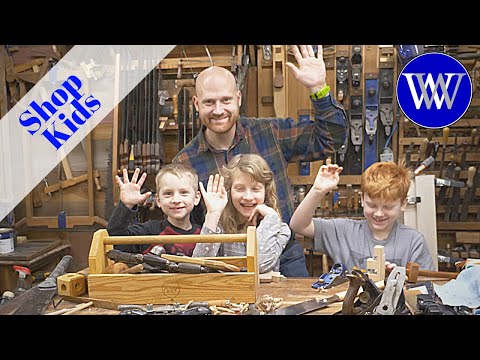
A wooden tool tote is an excellent intermediate project because it incorporates multiple techniques and results in a highly useful item. This project requires your child to think about structural integrity and how pieces fit together to create a container that can hold weight.
Steps for the Tool Tote:
- Build the Box: Start with a basic rectangular box using butt joints. This teaches the importance of precise measurements.
- Attach the Handles: Drill two holes on opposite sides of the tote and thread a hardwood dowel through to create sturdy, comfortable handles.
- Reinforce the Corners: Add small wooden blocks inside the corners to reinforce the joints, teaching the concept of bracing.
- Personalize: Encourage the child to paint their initials or carve a simple pattern, fostering a sense of ownership.
Advanced Woodworking for Kids
For older children or those with significant experience, advanced children’s woodwork projects move beyond simple construction into the realm of design and precision. At this stage, kids can operate power tools under close supervision and tackle projects that require meticulous planning and an understanding of wood movement and finishing techniques.
Building a Wooden Bookshelf
Constructing a small bookshelf challenges young woodworkers to think like real craftspeople. It involves creating a sturdy, level structure that must actually support weight. This project is ideal for tweens who are ready to handle a drill press and understand the mechanics of shelving.
- Design Phase: Have the child sketch the bookshelf to scale, deciding on dimensions and the number of shelves.
- Material Selection: Use 3/4-inch plywood or solid poplar, which is sturdy yet manageable for a child to handle.
- Joinery: Introduce pocket-hole screws or dowel joints to connect the shelves to the side panels, creating a much stronger bond than nails or glue alone.
- Finishing: Apply a child-safe polyurethane or beeswax finish to protect the wood from spills and daily wear.
Project Comparison: Difficulty, Time, and Cost
To help you choose the right woodworking for kids project based on age and experience, refer to the comparison table below. This breakdown outlines the expected difficulty, time commitment, and material cost for each project type.
| Project Type | Skill Level | Estimated Time | Material Cost |
| Birdhouse | Beginner | 1-2 Hours | $10 – $15 |
| Tool Tote | Intermediate | 3-4 Hours | $15 – $25 |
| Wooden Bookshelf | Advanced | 4-6 Hours | $30 – $50 |
Expert Tips for a Successful Woodworking Experience
To ensure that your child’s introduction to handmade toys for kids and functional woodcraft is a positive one, consider these expert recommendations. The way you approach the workshop directly impacts how the child perceives the craft.
- Emphasize Process Over Product: A birdhouse that is slightly crooked is still a victory. Focus on the effort, the measurements, and the joy of building rather than achieving perfection.
- Let Them Make Mistakes: Sawing slightly off the line or driving a nail at an angle is a valuable learning experience. Resist the urge to take over and correct their work.
- Store Tools Properly: Teach your child to clean their workspace and put tools away at the end of each session. This builds responsibility and respect for the tools.
- Incorporate Design Thinking: Before cutting, have your child draw their idea and list the materials needed. This mirrors real-world engineering and planning processes.
Conclusion: Building Lifelong Skills Through Wood
Children’s woodwork projects are a timeless pursuit that bridges the gap between imagination and reality. By guiding a child through the process of transforming raw lumber into a finished product, you are imparting more than just how to use a saw or hammer; you are fostering independence, critical thinking, and a deep appreciation for craftsmanship. Whether you start with a simple birdhouse or challenge an older child with a detailed bookshelf, the skills they develop in the workshop will serve them for a lifetime. So, gather your materials, clear a space in the garage, and watch as your child discovers the incredible satisfaction of creating something with their own two hands.
Frequently Asked Questions
What is the best age to start children’s woodwork projects?
Most experts agree that children can begin supervised woodworking as early as age 4 or 5, starting with sanding and non-toxic gluing. By age 7 or 8, they are typically ready to use child-safe saws and hammers under strict adult supervision. Advanced power tools should be reserved for teenagers who have demonstrated consistent safety awareness and maturity, ensuring a positive introduction to the craft.
What type of wood is best for beginner kids woodworking projects?
For beginner woodworking for kids, softwoods like pine, basswood, or poplar are ideal. These woods are easy to cut with basic hand tools, relatively inexpensive, and have a uniform grain that sands smoothly without splintering excessively. Avoid hardwoods like oak or maple for younger children, as they require significantly more effort to cut and can be frustrating for small hands.
How do I ensure my child’s woodworking tools are safe?
Ensuring safety involves both equipment and supervision. Always use child-sized tools that are proportionate to the child’s hand strength, such as lightweight hammers and pull-saws. Keep all power tools unplugged and stored away until the child is older and fully trained. Most importantly, maintain constant, active supervision—never leave a child unattended with sharp tools or power equipment, as this is the most critical rule in the workshop.
Can children use power tools for advanced woodworking projects?
Yes, older children (typically 12 and up) can transition to power tools like drills and rotary sanders under very close adult supervision. However, it is crucial to start with manual tools to build fundamental hand-eye coordination and an understanding of how wood behaves before introducing motorized equipment. A drill press is often a safer starting point for powered drilling than a handheld drill, as it provides stability and control.
What are the best finishing techniques for children’s wooden projects?
When finishing handmade toys for kids or furniture, always opt for non-toxic, water-based finishes. Beeswax and food-safe mineral oil are excellent choices for items that will be handled frequently, such as wooden blocks or tool totes. For items that will see outdoor exposure, like birdhouses, a non-toxic exterior wood stain provides weather protection without posing a health risk to wildlife or children.