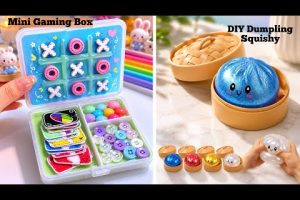
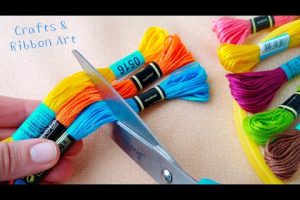
The world of craft projects for adults has evolved into far more than a weekend hobby — it’s a full-fledged movement that combines creativity, mindfulness, and the deep satisfaction of making something with your own two hands. Whether you’re looking for a way to unwind after a long workday, searching for meaningful handmade gifts, or simply curious about how to channel your artistic energy into tangible creations, the landscape of adult crafting offers something genuinely for everyone. From simple DIY craft ideas for beginners to ambitious artisan projects that push your skills to new heights, this guide will walk you through everything you need to know to start — or elevate — your crafting journey.
Why Craft Projects for Adults Are Experiencing a Massive Revival
In an era dominated by screens and digital fatigue, adults are increasingly turning to hands-on creative activities as a form of escapism and self-care. Research in psychology has consistently shown that engaging in craft work reduces cortisol levels, improves focus, and triggers a state of flow that many people find deeply restorative. This isn’t just a trend — it’s a measurable shift in how adults approach leisure and personal development.
The rise of platforms like Etsy, Instagram, and TikTok has also played a significant role. Aspiring crafters now have unlimited access to tutorials, community feedback, and marketplaces that celebrate handmade work. The result? Millions of adults are discovering that creative hobbies for grown-ups aren’t just fun — they’re economically empowering and socially connecting too.
- Stress relief: Repetitive motions like knitting or painting activate the parasympathetic nervous system.
- Cognitive benefits: Complex crafts improve problem-solving, spatial reasoning, and memory.
- Social connection: Craft circles, workshops, and online communities combat isolation.
- Financial savings: Handmade gifts and home décor replace costly store-bought alternatives.
Best Craft Projects for Adults — Beginner Level

If you’re new to the crafting world, starting with accessible projects is key. Beginner-friendly crafts let you build foundational skills without overwhelming frustration. The goal here is confidence — and once you taste that first success, you’ll naturally want to take on more.
1. Handmade Soap Making
Soap making is one of the most rewarding entry-level artisan crafts. With a basic melt-and-pour kit, you can create beautifully shaped, scented soaps in under an hour. You’ll experiment with fragrance oils, colorants, and molds. The learning curve is gentle, yet the results feel professionally sophisticated. As you advance, you can transition to cold-process soap making, which gives you full control over ingredients and lather quality.
2. Watercolor Painting for Relaxation
Watercolor is an incredibly forgiving medium. Unlike acrylics or oils, it doesn’t demand perfect brushwork — in fact, its unpredictable bleeds and soft gradients are part of its charm. Start with simple botanical subjects like leaves or flowers. All you need is a basic palette, a few brushes, watercolor paper, and a cup of water. Many adults find this form of painting deeply meditative.
3. Crochet and Knitting
These textile crafts have surged in popularity among younger adults. A single skein of yarn and a crochet hook are all you need to start. Beginner projects include dishcloths, simple scarves, and coasters. The repetitive stitch patterns naturally ease anxiety, and there’s a profound pride in wearing or gifting something you created from scratch.
Intermediate Craft Projects That Challenge Your Skills
Once you’ve built confidence with beginner projects, intermediate crafts introduce new techniques, materials, and creative decision-making. This is the stage where many crafters discover their signature style.
1. Candle Crafting with Custom Scents
Making candles at home opens up a world of aromatic and aesthetic possibilities. You’ll work with soy wax, beeswax, or coconut wax, choosing wicks sized for different vessel diameters. Intermediate crafters experiment with fragrance layering — combining essential oils to create signature scents. Container candles, pillar candles, and even sculpted wax designs become achievable with practice.
2. Macramé Wall Hangings
Macramé brings together knotting techniques and interior design. Intermediate projects involve combining different knot types — square knots, spiral knots, and clove knots — into intricate patterns. The craft requires minimal supplies: cotton cord, a wooden dowel or ring, and scissors. The finished pieces make stunning bohemian-style wall art, and mastering new knot patterns keeps the learning curve alive.
3. Polymer Clay Jewelry
Polymer clay is remarkably versatile. You can sculpt, stamp, layer, and bake your pieces into durable accessories. Intermediate crafters explore caning techniques, where patterned clay logs are sliced to reveal intricate cross-sections. Earrings, pendants, and rings made this way rival store-bought artisan jewelry in quality and originality.
Advanced Craft Projects for Experienced Makers
Advanced crafting demands patience, precision, and a willingness to invest significant time. These projects often require specialized tools and materials, but the sense of accomplishment they deliver is unmatched.
1. Furniture Restoration and Upcycling
Taking a worn or discarded piece of furniture and transforming it into a statement item is one of the most ambitious DIY craft ideas available. Techniques include stripping old paint, sanding, applying wood stain, decoupage, and even gold-leaf detailing. Upcycled furniture carries a story — and that story makes every piece uniquely valuable.
2. Pottery and Ceramics
Working with clay on a pottery wheel is a discipline that takes years to master. Even with beginner wheel classes, the learning curve is steep. Advanced potters create custom dinnerware sets, sculptural forms, and glazed pieces with complex surface textures. The combination of technical skill and artistic vision required makes pottery one of the most respected adult craft disciplines.
3. Bookbinding and Journal Making
Hand-bound books represent the intersection of craft, literacy, and art. Advanced techniques include Coptic stitching, Japanese stab binding, and creating leather-bound covers with tooled designs. Each finished journal or notebook is a functional work of art — and a deeply personal one at that.

Comparison Table — Craft Projects by Difficulty Level
| Craft Project | Difficulty | Estimated Cost to Start | Time per Project | Key Materials |
| Melt-and-Pour Soap | Beginner | $15–$30 | 30–60 min | Soap base, molds, fragrance oils |
| Watercolor Painting | Beginner | $20–$40 | 1–2 hours | Watercolor set, brushes, paper |
| Crochet / Knitting | Beginner | $10–$25 | 2–5 hours | Yarn, hooks or needles |
| Custom Candles | Intermediate | $30–$50 | 2–4 hours | Wax, wicks, fragrance, vessels |
| Macramé Wall Hangings | Intermediate | $15–$35 | 3–6 hours | Cotton cord, dowel or ring |
| Polymer Clay Jewelry | Intermediate | $35–$60 | 3–5 hours | Polymer clay, tools, oven |
| Furniture Upcycling | Advanced | $50–$150 | 1–3 weekends | Sandpaper, paint, stain, tools |
| Pottery on Wheel | Advanced | $100–$300 | Ongoing classes | Clay, wheel, kiln, glazes |
| Hand-Bound Books | Advanced | $40–$80 | 4–8 hours | Paper, linen thread, leather or book board |
Expert Tips for Getting the Most from Your Crafting Journey
Regardless of which craft you choose, a few universal principles will help you grow faster and enjoy the process more deeply.
- Start small and finish complete projects. A finished beginner piece teaches you more than an abandoned ambitious one. Completing projects builds momentum and reinforces techniques.
- Invest in quality tools gradually. Cheap supplies can frustrate you and produce disappointing results. Upgrade one tool or material at a time as your skills develop.
- Document your progress. Photograph every project. Not only does this create a portfolio, but reviewing your earlier work reveals growth you might otherwise miss.
- Join a community. Local craft stores often host workshops. Online forums and subreddits dedicated to specific crafts offer feedback, inspiration, and encouragement.
- Embrace mistakes as learning moments. Every experienced crafter has a shelf of imperfect pieces. Those “failures” often teach the most important lessons.
- Set dedicated crafting time. Blocking even 30 minutes a few times a week creates consistency. Regular practice accelerates skill development dramatically.
Frequently Asked Questions (FAQs)
What are the easiest craft projects for adults to start with at home?
The easiest starting points are typically handmade soap making, watercolor painting, and basic crochet or knitting. These crafts require minimal upfront investment, use readily available materials, and produce satisfying results quickly. Melt-and-pour soap kits, for instance, let you create a finished product within an hour with very little prior experience.
How can crafting help with stress relief and mental health?

Crafting activates the brain’s reward pathways and induces a meditative state often called “flow.” Studies in art therapy have demonstrated that hands-on creative activities lower anxiety, reduce symptoms of depression, and improve overall emotional regulation. The rhythmic, repetitive nature of activities like knitting, painting, or sculpting is particularly effective at calming the nervous system.
What craft projects for adults make the best handmade gifts?
Some of the most appreciated handmade gifts include custom candles, polymer clay jewelry, hand-bound journals, crocheted blankets, and scented soaps. These projects feel personal because they reflect the recipient’s tastes while showcasing the maker’s effort and skill. A thoughtful handmade gift often carries far more emotional weight than anything purchased off a shelf.
Do I need expensive supplies to begin crafting as an adult?
Not at all. Many beginner-friendly crafts can be started for under $30. Basic watercolor sets, a single skein of yarn, or a melt-and-pour soap kit are all affordable entry points. As you advance, you can selectively invest in higher-quality materials and specialized tools based on which crafts resonate most with you.
How long does it typically take to become proficient at an adult craft?
Proficiency timelines vary widely by craft. Simple projects like basic crochet or watercolor painting can feel rewarding within a few weeks of regular practice. More complex disciplines such as pottery, furniture restoration, or bookbinding may take several months to a year of consistent effort before you feel truly confident. The key variable is deliberate, regular practice rather than raw talent.
Can crafting really become a side income or small business?
Absolutely. Many adults have turned their craft hobbies into profitable side hustles through platforms like Etsy, local craft fairs, and social media marketplaces. Handmade soaps, candles, jewelry, upcycled furniture, and custom artwork are especially popular and profitable niches. Start by selling to friends and family, gathering reviews, and gradually scaling your offerings as demand grows.
Conclusion
The world of craft projects for adults is rich, varied, and more accessible today than ever before. Whether you pick up a crochet hook for the first time, fire up a pottery wheel, or carefully layer fragrances in your kitchen, you’re stepping into a tradition of making that has sustained human creativity for millennia. These projects offer more than just finished objects — they provide mental clarity, emotional balance, and a profound sense of personal achievement. Start wherever your curiosity leads you, be patient with your learning curve, and remember: every master crafter was once a beginner who simply decided to begin. Your next creative chapter starts now.