


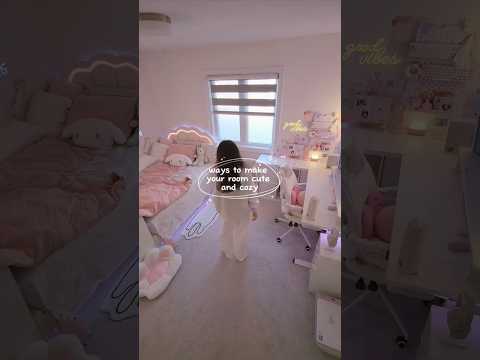
Aesthetic bedroom design has become one of the most searched interior design topics online, and for good reason. Your bedroom is more than just a place to sleep — it is your personal sanctuary, the space where you recharge, dream, and retreat from the world. Creating an aesthetic bedroom means curating every detail, from wall colors and bedding textures to lighting fixtures and decorative accents, so that the room reflects your personality and elevates your everyday mood. Whether you are a complete beginner just starting to explore room decor or an experienced design enthusiast looking to refine your space, this guide covers everything you need to know about building a bedroom that is visually stunning, deeply personal, and genuinely restful. Let us dive in.
What Is an Aesthetic Bedroom and Why Does It Matter?
Defining the Aesthetic Bedroom Concept
An aesthetic bedroom is a thoughtfully designed sleeping environment that prioritizes visual harmony, mood, and personal expression. It goes far beyond simply picking out furniture or hanging a poster on the wall. When someone creates an aesthetic bedroom, they are constructing a cohesive visual narrative using color schemes, textures, furniture styles, and decorative objects that work together seamlessly. The term “aesthetic” in this context refers to a deliberate, curated beauty that evokes a specific feeling every time you walk through the door. Popular aesthetic categories include cottagecore, dark academia, minimalist Japandi, vintage French farmhouse, and cozy hygge-inspired designs. Each style carries its own distinct mood, color language, and set of design principles that guide every decorating decision.
The Psychology Behind Beautiful Bedroom Design
Research in environmental psychology consistently shows that the spaces we inhabit directly impact our mental health, sleep quality, and emotional well-being. A bedroom that feels cluttered, poorly lit, or visually chaotic can trigger subconscious stress responses, making it harder to relax and fall asleep. On the other hand, a well-designed aesthetic bedroom promotes calmness, reduces anxiety, and creates a sense of order that your brain naturally gravitates toward. When you invest time into crafting your bedroom’s visual identity, you are also investing in your quality of life. The colors you choose, the materials you surround yourself with, and the overall atmosphere you build all send signals to your nervous system about safety, comfort, and peace.
Key Elements of a Stunning Aesthetic Bedroom
Color Palettes and Mood Setting

Color is the foundation of any aesthetic bedroom design. Before you purchase a single piece of furniture or decor item, decide on a color palette that represents the mood you want to create. Soft neutrals like warm beige, dusty rose, and cream white work beautifully for a dreamy, romantic atmosphere. Deep, moody tones such as charcoal, forest green, and burgundy are ideal for those drawn to dark academia or vintage aesthetics. If you prefer a clean, serene look, muted pastels and cool grays can transform your space into a tranquil retreat. The key is to stick to three to five complementary colors and use them consistently across walls, bedding, curtains, and accessories. This cohesion is what separates a beautifully aesthetic bedroom from a room that simply looks randomly decorated.
Lighting That Transforms the Space
Lighting is arguably the most powerful tool in aesthetic bedroom design, yet it is often the most overlooked. Harsh overhead lighting can completely destroy the mood you have carefully built. Instead, layer your lighting using a combination of ambient, task, and accent sources. String lights draped along a headboard or tucked behind sheer curtains instantly create a warm, fairy-tale ambiance. Table lamps with fabric shades cast a soft, diffused glow that is perfect for reading before bed. LED strip lights placed behind furniture or along shelving units add a subtle, modern glow without overwhelming the room. Candle warmers and salt lamps are excellent choices for those who want to lean into a cozy, cottagecore aesthetic. The goal is to make your bedroom feel like it is softly glowing, not brightly illuminated.
Furniture and Layout Choices
The furniture you choose sets the structural foundation of your aesthetic bedroom. For a minimalist approach, opt for clean-lined beds, low-profile nightstands, and simple dressers in light wood tones. If your style leans toward vintage or cottagecore, look for wrought iron bed frames, distressed wooden vanities, and upholstered armchairs. Placement matters just as much as the furniture itself. Position your bed as the focal point of the room, ideally against the largest wall and away from the doorway. Leave enough space between pieces to allow for easy movement and a sense of openness. A cramped bedroom will undermine even the most beautiful decor choices, so prioritize flow and breathing room in your layout.
Popular Aesthetic Bedroom Styles to Explore
Cottagecore and Soft Romance
Cottagecore aesthetic bedrooms celebrate nature, simplicity, and old-world charm. Think floral wallpaper, linen curtains, wicker baskets, dried pampas grass, and wooden furniture with visible grain patterns. This style is all about creating a whimsical, storybook-like retreat that feels connected to the outdoors. Soft pastels, warm whites, and gentle greens dominate the palette. If you are drawn to this aesthetic, focus on layering textiles — think ruffled duvet covers, lace throw blankets, and cotton pillowcases in delicate prints.
Dark Academia and Moody Elegance
Dark academia draws inspiration from classical literature, old universities, and the intellectual mystique of the early 20th century. Aesthetic bedrooms in this style feature deep jewel tones like emerald, navy, and burgundy, paired with rich woods, leather accents, and vintage book collections. Heavy curtains, brass desk lamps, and ornate mirrors complete the look. This style appeals to those who want their bedroom to feel dramatic, sophisticated, and intellectually inspiring.
Minimalist and Japandi Aesthetics
Minimalist and Japandi bedroom designs embrace the philosophy that less is more. Clean lines, neutral tones, natural materials like bamboo and rattan, and uncluttered surfaces define this approach. The Japandi style, a fusion of Japanese minimalism and Scandinavian functionality, prioritizes purpose in every object within the room. If you choose this path, invest in high-quality pieces that serve a clear function and let negative space do the talking. This aesthetic bedroom style is particularly well-suited for small rooms because it prevents visual overcrowding.
Comparison of Popular Aesthetic Bedroom Styles
| Style | Color Palette | Key Materials | Best For |
| Cottagecore | Soft pastels, whites, greens | Linen, wood, dried botanicals | Romantic, nature-loving personalities |
| Dark Academia | Burgundy, navy, forest green | Leather, brass, dark wood | Intellectual, dramatic vibes |
| Minimalist Japandi | Neutrals, soft grays, whites | Bamboo, rattan, concrete | Small spaces, clutter-free minds |
| Cozy Hygge | Warm creams, dusty pinks, taupes | Sherpa, wool, chunky knit | Ultimate comfort and warmth |
| Vintage French | Gold, soft blue, cream | Velvet, marble, wrought iron | Elegant, feminine aesthetics |
Step-by-Step Guide to Designing Your Dream Aesthetic Bedroom
Beginner-Level Quick Wins
If you are just starting your aesthetic bedroom journey, you do not need to renovate your entire room. Start with these simple, budget-friendly changes:
- Replace harsh light bulbs with warm-toned LED bulbs (2700K color temperature)
- Add a cohesive throw blanket and a set of matching pillows to your bed
- Hang a simple tapestry, macrame piece, or framed print above your headboard
- Introduce a small potted plant or a vase of dried flowers to your nightstand
- Clear off surfaces and remove any items that do not serve a purpose or bring you joy
Intermediate Upgrades for Depth and Texture
Once your foundational elements are in place, elevate your aesthetic bedroom with these intermediate touches:
- Install sheer or blackout curtains in a color that complements your palette
- Add a textured area rug beneath your bed to define the space
- Incorporate a mix of materials such as wood, metal, fabric, and ceramic
- Create a dedicated display shelf for books, candles, and small decorative objects
- Switch out generic hardware on nightstands and dressers for more stylish alternatives
Advanced Design Strategies for Full Immersion
For those ready to take their aesthetic bedroom to the next level, consider these expert-level strategies:
- Paint an accent wall using a muted, sophisticated tone that anchors the room
- Invest in a statement headboard — think upholstered panels, reclaimed wood beams, or decorative ironwork
- Design a cohesive theme that extends beyond the bedroom, such as matching bathroom accessories or a hallway vignette
- Use custom-sized bedding and curtains to eliminate gaps and create a polished, tailored look
- Incorporate scent design with diffusers, candles, or linen sprays that reinforce the mood of the room
Expert Tips and Common Mistakes to Avoid
When building an aesthetic bedroom, there are a few pitfalls that even enthusiastic decorators fall into. First, avoid buying decor pieces randomly without a clear plan. Every item should fit within your chosen color palette and style theme. Second, do not underestimate the power of negative space. Cramming too many objects into a room creates visual noise and defeats the purpose of an aesthetic design. Third, always prioritize comfort over aesthetics. The most beautiful bedroom in the world is useless if the mattress is uncomfortable or the pillows do not support proper sleep posture. Balance beauty with functionality, and your space will feel both stunning and livable.
Another expert tip is to photograph your room from the same angle every few weeks. This simple practice helps you notice imbalances, clutter buildup, or elements that no longer serve your evolving aesthetic. Design is not static — as your tastes grow and change, so should your bedroom.
Frequently Asked Questions About Aesthetic Bedrooms
How do I choose the right aesthetic for my bedroom?
Start by browsing Pinterest, Instagram, or interior design blogs and save images that genuinely make you feel calm and inspired. Look for recurring themes in the colors, textures, and objects that catch your eye. Once you identify a pattern, that is your aesthetic direction. You do not need to commit to one single style — many people blend elements from multiple aesthetics to create a look that feels authentically theirs.
What is the best budget for creating an aesthetic bedroom?

A beautiful aesthetic bedroom does not require a massive budget. You can achieve a cohesive look for under $200 by focusing on small, high-impact changes like new bedding, lighting, and decor. For a more comprehensive transformation, budgets between $500 and $1,500 allow for furniture upgrades, a fresh paint job, and quality statement pieces. The key is to invest gradually rather than all at once, prioritizing pieces that have the most visual and emotional impact.
Can I mix multiple bedroom aesthetic styles together?
Absolutely. Mixing styles, often called “eclectic” design, can produce incredibly unique and personalized spaces. The trick is to maintain visual consistency through a shared color palette or recurring material. For example, you might pair a Japandi-style platform bed with cottagecore floral curtains and dark academia brass desk accessories, all unified by a neutral cream and green color scheme.
How important is bedding quality in an aesthetic bedroom?
Bedding is arguably the most important visual and tactile element in any aesthetic bedroom. It covers the largest surface area in the room and directly affects both appearance and comfort. Invest in high-quality sheets with a thread count of at least 300, a duvet insert that matches your desired warmth level, and pillowcases that complement your color palette. Linen, cotton, and sateen fabrics all work beautifully depending on the aesthetic you are pursuing.
What plants are best for an aesthetic bedroom?
Low-maintenance plants like pothos, snake plants, and peace lilies thrive in bedroom environments and add a natural, organic touch to any aesthetic. For cottagecore and soft romance styles, dried pampas grass, eucalyptus bundles, and preserved ferns offer beauty without the need for watering or sunlight. Hanging planters and ceramic pots in muted tones can further enhance the visual appeal of your plant collection.
Conclusion
Creating an aesthetic bedroom is one of the most rewarding design projects you can undertake because it directly impacts your daily well-being and personal expression. Whether you are drawn to the soft romance of cottagecore, the intellectual mood of dark academia, or the clean simplicity of Japandi minimalism, the principles remain the same: choose a cohesive palette, layer your lighting thoughtfully, select furniture that serves both form and function, and curate every decorative object with intention. Start small, build gradually, and never sacrifice comfort for the sake of beauty. Your bedroom should be the one place in your home where you feel completely at peace — a space that is not only visually stunning but deeply, authentically yours.