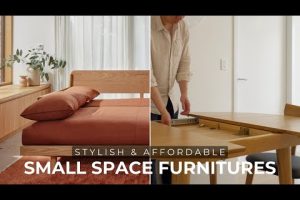
Finding the right workspace setup in a compact living environment can feel like an impossible challenge, especially when every square foot matters. Whether you are converting a bedroom into a home office, setting up a workstation in a studio apartment, or simply looking to reclaim floor space in a cramped room, a compact desk for small spaces can transform the way you work, create, and stay productive. The good news is that modern desk design has evolved far beyond the clunky, uninspired writing surfaces of the past. Today, manufacturers offer sleek, functional, and space-saving desk solutions that blend seamlessly into tight quarters without sacrificing comfort or performance. In this guide, we will walk you through everything you need to know about choosing the best small-space desk, from key features and desk types to expert placement strategies that maximize every inch of your room.
Why Compact Desks Are a Game-Changer for Small Spaces
Living or working in a limited square footage environment requires intentional furniture choices. A standard full-size desk can easily dominate a room, leaving little space for movement, seating, or storage. Compact desks are specifically engineered to deliver a functional work surface while minimizing the footprint they occupy on your floor plan. These desks cater to remote workers, students, freelancers, and anyone who needs a dedicated workspace without sacrificing the livability of their home.
The benefits extend beyond just saving space. A well-chosen small desk improves room flow, reduces visual clutter, and can even boost your focus by creating a defined boundary between work and rest areas. Studies on workspace design consistently show that a clean, organized environment directly impacts productivity and mental well-being. When you invest in the right compact desk, you are not just buying furniture — you are investing in a better daily routine.
Key Features to Look For When Choosing a Small Desk
Material and Build Quality
The material of your compact desk plays a significant role in both its durability and visual appeal. Common options include engineered wood, solid wood, metal frames with laminate tops, and bamboo. Engineered wood and MDF desks tend to be budget-friendly and come in a wide range of finishes, while solid wood and bamboo options offer a more premium, long-lasting feel. Metal frames paired with wood or glass tops provide an industrial aesthetic that works well in modern apartments. Always check the weight capacity and stability, especially if you plan to support dual monitors or heavy equipment.
Storage and Organization
In a small space, every inch of storage counts. Look for compact desks that integrate drawers, shelves, cable management trays, or built-in cubbies. A wall-mounted floating desk with a lower shelf, for example, gives you both a work surface and a place to store notebooks or accessories without taking up additional floor space. Some models even feature vertical filing systems or attachable organizers that help you keep essentials within reach without cluttering your desktop.
Adjustability and Flexibility
One of the most valuable features in a modern compact desk is adjustability. Height-adjustable or sit-stand desks allow you to alternate between sitting and standing throughout the day, which is especially important if you spend long hours at your computer. Even in a small footprint, some manufacturers offer compact electric standing desks with programmable height presets, giving you the ergonomic benefits of a full-size adjustable desk in a much smaller package.
Types of Compact Desks That Work in Tight Spaces
Wall-Mounted Foldable Desks
Wall-mounted foldable desks are arguably the most space-efficient option available. These desks attach directly to the wall and fold down when you need to work, then fold back up to free up the entire floor area. They are ideal for bedrooms, studios, and multipurpose rooms where the desk needs to disappear when not in use. Many models feature a hinged top that doubles as a shelf when folded, adding extra utility without extra space.
Corner Computer Desks
Corner desks take advantage of the often-wasted space in room corners, making them an excellent choice for small apartments and offices. L-shaped corner configurations provide a generous work surface while keeping the footprint contained to two walls. Many corner desks include built-in shelving, keyboard trays, and cable holes, giving you a complete workstation setup without cluttering the center of the room.
Floating Shelf Desks and Shelf-Style Workstations
Floating shelf desks replace traditional legs with a wall-mounted shelf structure, creating a minimalist and open feel. These desks typically feature a flat work surface supported by floating brackets or a single vertical column. Because there are no legs or base frames, they create the illusion of more floor space, which can make a small room feel significantly larger and less cramped.
Roll-Top and Portable Desks
For those who need maximum flexibility, roll-top and portable compact desks offer the ability to move your workstation wherever you need it. These desks often feature lightweight construction, caster wheels, and collapsible legs, making them easy to store in a closet or under a bed when not in use. They are particularly popular among students, renters, and anyone who shares a living space and needs a desk that can be quickly set up and taken down.
Comparison: Top Compact Desk Types at a Glance
| Desk Type | Space Efficiency | Storage | Best For | Price Range |
| Wall-Mounted Foldable | Excellent | Minimal | Tiny apartments, guest rooms | $40 – $150 |
| Corner L-Shaped | Very Good | Moderate to High | Home offices, bedrooms | $80 – $300 |
| Floating Shelf | Excellent | Low to Moderate | Minimalist setups, studios | $50 – $200 |
| Roll-Top Portable | Good (mobile) | Low | Renters, shared spaces | $30 – $120 |
| Compact Sit-Stand | Good | Moderate | Ergonomic home offices | $200 – $600 |
Expert Tips for Maximizing a Small Workspace
Choosing the right compact desk is only half the battle. How you set up and organize your small workspace makes a tremendous difference in daily comfort and efficiency. Here are some proven strategies to get the most out of your compact desk setup:
- Use vertical space. Install wall-mounted shelves or pegboards above and beside your desk to store supplies, books, and decor without eating into your limited desktop area.
- Choose a desk with built-in cable management. Clutter from loose cables instantly makes a small workspace feel messy. Desks with integrated cable trays or grommet holes help you keep wires neatly routed and hidden.
- Select a light color palette. Light-toned desks, such as white, light wood, or soft gray, reflect more natural light and create the visual impression of a larger, airier room.
- Mirror placement nearby. Positioning a mirror on an adjacent wall can create the illusion of depth and make your small workspace feel more open and expansive.
- Keep only essentials on the desk surface. Use drawer organizers, vertical file holders, and desktop charging stations to minimize what sits on top of your compact desk at any given time.
- Consider a desk with integrated lighting. Built-in LED strips or adjustable desk lamps eliminate the need for freestanding lamps, freeing up precious desk and floor space.
These small adjustments compound over time, turning even the most cramped corner into a functional and pleasant workspace that you actually enjoy spending time at.
Frequently Asked Questions About Compact Desks for Small Spaces
What is the ideal desk width for a small room?
For most small-space setups, a desk width between 36 and 48 inches provides enough surface area for a laptop, monitor, and essential accessories without overwhelming the room. If you have extremely limited space, a wall-mounted desk as narrow as 24 inches can still offer a comfortable work surface for basic tasks.
Can a compact desk support a dual monitor setup?

Yes, many compact desks are designed to handle dual monitors, especially those with a depth of at least 24 inches and a sturdy construction. Look for desks with reinforced edges or a weight capacity of 50 pounds or more. Corner L-shaped desks are particularly well-suited for dual monitor arrangements because they provide generous surface area in a contained footprint.
Are wall-mounted foldable desks sturdy enough for daily use?
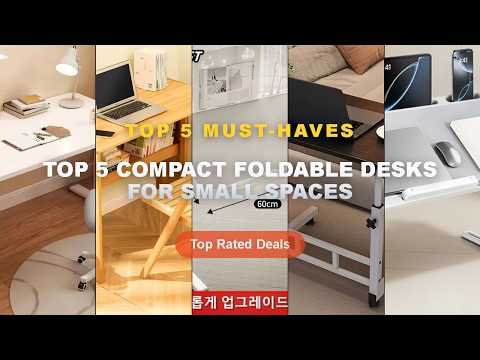
Modern wall-mounted foldable desks have improved significantly in terms of sturdiness. High-quality models use reinforced brackets, solid wood or engineered wood tops, and heavy-duty mounting hardware that can support regular daily use. However, it is important to anchor the desk securely into wall studs rather than relying solely on drywall anchors for long-term stability and safety.
How do I choose the right compact desk for an apartment with limited floor space?
Start by measuring the available area where you plan to place the desk, including clearance for chair movement. Next, prioritize features that serve multiple purposes — such as a desk with built-in shelves or a fold-down design. Consider the desk’s height to ensure ergonomic comfort, and choose a style that complements your existing room décor so the workspace feels integrated rather than intrusive.
What is the best material for a compact desk in a humid environment?
In humid environments, bamboo and metal-frame desks are the best choices because they resist warping and moisture damage better than solid wood or MDF. Bamboo, in particular, is naturally moisture-resistant, lightweight, and environmentally sustainable, making it an excellent option for compact desks in bathrooms, sunrooms, or tropical climates.
Final Thoughts on Choosing the Perfect Compact Desk
Selecting the ideal compact desk for a small space is all about balancing functionality, aesthetics, and spatial awareness. Whether you opt for a sleek wall-mounted foldable desk, a versatile corner L-shaped workstation, or a portable roll-top solution, the key is to choose a desk that aligns with how you actually work and live in your space. Consider your storage needs, equipment requirements, ergonomic preferences, and the visual style of your room before making a decision. With the right compact desk and a few smart organization strategies, even the smallest room can become a productive, inspiring workspace that you will love spending time in every single day.