Your outdoor space is one of the most underutilized areas of any home, and transforming it into a stunning extension of your living room starts with smart garden decoration ideas. Whether you have a compact urban backyard, a sprawling suburban lawn, or a cozy courtyard, the right combination of plants, hardscaping, lighting, and accessories can completely redefine how you experience your outdoor environment. Garden decoration is not just about aesthetics; it is about creating a functional, inviting space that reflects your personality, supports local wildlife, and increases your property value. In this comprehensive guide, we will walk you through proven strategies ranging from simple weekend projects to sophisticated landscaping techniques that will elevate your garden from ordinary to extraordinary.
Why Garden Decoration Matters More Than You Think
Investing time and effort into garden decoration goes far beyond visual appeal. A well-designed outdoor space serves multiple purposes that directly impact your daily life. Studies consistently show that spending time in beautifully decorated gardens reduces stress, improves mood, and promotes physical activity. Beyond personal wellbeing, thoughtful garden design creates curb appeal that can boost your home’s market value by up to 20 percent. When you plan garden decoration ideas with intention, every element works together to establish a cohesive outdoor living experience that seamlessly transitions from your interior to the exterior.
The key is understanding that garden decoration is a layered process. It involves combining vertical elements, horizontal surfaces, color palettes, textures, and seasonal interest to build depth and character. Rather than randomly placing items, successful garden styling follows principles of balance, proportion, rhythm, and focal points that guide the eye and create emotional resonance.
Beginner Garden Decoration Ideas for Every Outdoor Space
Start with Container Gardening and Potted Displays
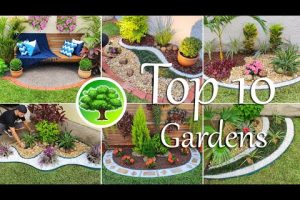
If you are new to garden decoration, container gardening offers the most accessible entry point. Potted plants give you the freedom to experiment with placement, colors, and plant combinations without committing to permanent landscape changes. Large terracotta urns, woven baskets, and modern geometric planters can instantly transform a dull patio into a vibrant green retreat. Focus on grouping containers in odd numbers, which naturally draws the eye and creates visual interest. Choose a mix of thriller, filler, and spiller plants to build dynamic arrangements that look professional from day one.
Create a Focal Point with a Garden Feature
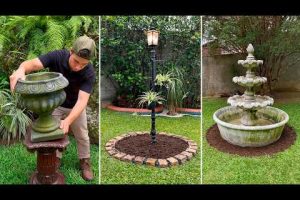
Every great garden needs a centerpiece that anchors the entire design. Beginner-friendly focal points include a decorative birdbath, a rustic wooden bench, a solar-powered fountain, or a statement lantern hung from a pergola post. The focal point should be visible from your main seating area or indoor window, pulling you outside and giving the garden a sense of purpose. When selecting a garden feature, consider the scale of your space. A small courtyard benefits from a compact water feature or a tall columnar planter, while a larger yard can accommodate a stone statue or an elaborate trellis draped with climbing roses.
Use Outdoor Lighting to Extend Your Garden Hours
One of the most impactful yet underrated garden decoration strategies is lighting. String lights, solar path stakes, LED uplights, and lanterns completely transform a garden after dark. Strategic lighting highlights architectural plants, illuminates walkways, and creates ambient warmth that makes outdoor entertaining enjoyable well into the evening. For beginners, solar-powered options require zero wiring and are perfect for testing different lighting arrangements before committing to a permanent setup.
Intermediate Garden Decoration Ideas That Make a Statement
Build a Layered Planting Scheme with Seasonal Interest
Once you have mastered the basics, intermediate garden decoration focuses on creating depth through layered planting. This means combining ground covers, mid-height perennials, flowering shrubs, and tall accent plants to build a multi-dimensional landscape that looks captivating in every season. Incorporate plants with varying foliage textures, such as ornamental grasses, broad-leafed hostas, fine-needled conifers, and bold-leaved caladiums. The goal is to ensure there is always something blooming, changing color, or providing structural interest throughout the year.
Incorporate Hardscaping Elements for Structure
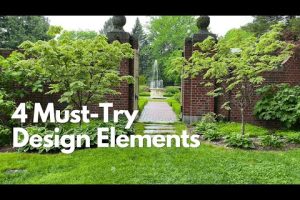
Hardscaping refers to the non-living components of your garden, and it is essential for creating a polished, intentional look. Stone pathways, gravel beds, wooden decking, brick edging, and retaining walls provide the framework upon which your living garden elements are arranged. An intermediate gardener might install a flagstone walkway bordered by low thyme or creeping juniper, or build a curved retaining wall using natural stone to create terraced planting levels. Hardscaping elements reduce maintenance by minimizing bare soil and erosion while adding timeless character to your outdoor space.
Design a Functional Garden Room

Taking garden decoration to the next level involves creating defined “rooms” within your outdoor space. A pergola draped with wisteria can mark a dining area, while a row of tall bamboo or ornamental grasses can form a natural privacy screen for a reading nook. Consider adding an outdoor rug, a weatherproof coffee table, and cushioned seating to make the garden room feel as comfortable as its indoor counterpart. Fire pits and outdoor kitchens are excellent additions that extend the functionality of these spaces well into cooler months.
Advanced Garden Decoration Techniques for Stunning Results
Implement Water Features as a Centerpiece
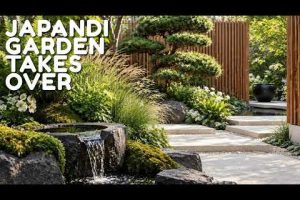
For experienced gardeners, water features represent the pinnacle of garden decoration. A custom-built koi pond, a recirculating waterfall, or a naturalistic stream bed adds movement, sound, and a sense of tranquility that no other element can replicate. Advanced water features require careful planning around plumbing, filtration, and liner placement, but the result is a living ecosystem that attracts frogs, dragonflies, and birds. Position the water feature at a visible junction point in your garden where it can serve as both a visual anchor and a soothing sensory experience.
Create a Themed Garden with Cohesive Design
Themed gardens represent the highest level of creative garden decoration. Popular themes include Japanese zen gardens with raked gravel and carefully placed stones, English cottage gardens bursting with climbing roses and lavender, Mediterranean courtyards featuring terracotta, olive trees, and herb spirals, or modern minimalist landscapes with clean lines and architectural plants. A successful themed garden requires consistency in materials, plant selection, color palette, and decorative accessories. Every element should reinforce the theme, from the paving stones to the furniture choices and lighting fixtures.
Integrate Sustainable and Eco-Friendly Design Practices
Advanced garden decoration increasingly incorporates sustainability as a core design principle. Rain gardens capture runoff and support native wetland plants, pollinator gardens feature native wildflowers that support bees and butterflies, and xeriscaping minimizes water usage through drought-tolerant plantings and efficient irrigation. Permeable hardscaping materials allow rainwater to recharge groundwater rather than creating runoff. These approaches not only reduce environmental impact but also lower long-term maintenance costs and create gardens that are resilient through changing climate conditions.
Budget-Friendly vs Premium Garden Decoration: A Comparison
| Category | Budget-Friendly Options | Premium Options |
| Planters & Containers | Repurposed crates, thrift store finds, DIY pallet planters | Custom-designed ceramic planters, designer brands |
| Lighting | Solar stake lights, string lights from hardware stores | Low-voltage LED systems, professional landscape lighting |
| Pathways | Gravel, stepping stones, mulch trails | Natural flagstone, interlocking pavers, concrete stamping |
| Furniture | DIY pallet sofas, second-hand outdoor sets | All-weather wicker, teak dining sets, built-in seating |
| Water Features | Simple solar fountains, birdbaths | Custom ponds, recirculating waterfalls, boulder streams |
| Privacy Solutions | Bamboo fencing, fast-growing hedges, trellises | Living walls, custom pergolas, stone privacy walls |
As this comparison table shows, you do not need a massive budget to achieve beautiful garden decoration results. Many premium effects can be replicated on a smaller scale using creative DIY approaches and strategic repurposing of materials.
Expert Tips for Maximum Garden Decoration Impact
- Plan before you plant. Sketch your garden layout on graph paper or use a free digital tool like SketchUp to visualize how each element will fit together before purchasing anything.
- Repeat key elements throughout the space. Repetition of specific plants, colors, or materials creates visual rhythm and makes the garden feel cohesive rather than chaotic.
- Layer your heights. Combine tall, medium, and low-growing plants to create dimension and ensure that every area of the garden has visual interest at multiple levels.
- Add fragrance strategically. Position scented plants like jasmine, lavender, rosemary, and gardenias near seating areas and pathways where you can fully enjoy their aromatic qualities.
- Use containers to experiment. Seasonal containers allow you to refresh your garden decoration every few months without permanent installation costs or labor.
- Incorporate texture contrasts. Pair smooth stones with spiky succulents, soft ferns with rough bark, or fine grasses with bold-leafed plants to create visually dynamic combinations that stand out even when not in bloom.
- Maintain a maintenance plan. Choose plants and materials that match your available time and energy for upkeep. A beautiful garden that overwhelms you with maintenance will quickly lose its appeal.
Frequently Asked Questions About Garden Decoration Ideas

What are the best low-cost garden decoration ideas for small spaces?
For small spaces, vertical gardening is your greatest ally. Wall-mounted planters, hanging baskets, tiered shelving units, and trellises maximize your growing area without consuming precious floor space. Repurposing items like old ladders as plant stands, using painted tin cans as herb gardens, or creating a miniature fairy garden in a single container can deliver maximum decorative impact for minimal investment. The key is choosing a few statement pieces rather than spreading thin decorations across every inch of available space.
How do I choose the right garden decoration style for my home?
The best approach is to align your garden decoration style with your home’s architectural character and your personal lifestyle. Mediterranean-style gardens suit warm climates and stucco or terracotta homes, while Japanese-inspired gardens pair beautifully with modern minimalist architecture. English cottage gardens work with traditional and rustic homes. Start by identifying colors, materials, and plant types you naturally gravitate toward, then build outward from there. Browse garden magazines, Pinterest boards, and local botanical gardens for inspiration that resonates with your aesthetic preferences.
What plants are best for year-round garden decoration?
Evergreen shrubs like boxwood, yew, and holly provide structural backbone during winter months. Ornamental grasses such as feather reed grass and maiden grass offer movement and texture through fall and winter. Winter-blooming plants like hellebores, witch hazel, and camellias add color when most gardens go dormant. Bark-textured trees like paper birch and coral bark Japanese maple provide visual interest even without leaves. Combining these with spring and summer bloomers ensures your garden remains decorated and captivating across all four seasons.
How often should I update my outdoor garden decoration?
Unlike indoor decor, garden decoration evolves naturally with the seasons, which means you refresh it organically rather than on a fixed schedule. Rotate container plantings every spring and fall, replace annual bedding plants seasonally, prune and reshape shrubs in early spring, and add seasonal accessories like autumn pumpkins or winter wreaths. Major structural changes like adding new hardscaping or planting trees should happen every few years once the garden has matured. The beauty of outdoor decoration is that it is a living, breathing canvas that constantly reinvents itself.
Can garden decoration help attract pollinators and wildlife?
Absolutely. Thoughtful garden decoration that incorporates native flowering plants, water sources, and shelter structures creates a thriving habitat for bees, butterflies, hummingbirds, and beneficial insects. Avoid pesticides, include plants that bloom at different times to provide continuous nectar, add a shallow water dish or small birdbath, and leave some areas of your garden a little wild. These wildlife-friendly elements not only support essential ecosystems but also bring your garden to life with movement, sound, and natural beauty that purely decorative schemes cannot replicate.
Conclusion: Bringing Your Garden Vision to Life
Decorating your garden is one of the most rewarding investments you can make in your home and your wellbeing. From the simplest container arrangements to elaborate water features and themed landscapes, every garden decoration idea shared in this guide can be adapted to fit your space, budget, and personal taste. The most important step is to begin. Start small with one or two changes, observe how your garden responds through the seasons, and gradually build outward. The best gardens are never finished; they are living projects that evolve alongside the people who love them. With patience, creativity, and a willingness to experiment, your outdoor space can become the most cherished room in your home.