


When you look around your home and feel overwhelmed by clutter, the idea of tackling a full DIY organisation project can feel both exciting and intimidating. The truth is that self-organising your living space doesn’t require a professional interior designer or a massive budget. It requires a clear plan, the right mindset, and a willingness to start small and build momentum. Whether you’re a complete beginner looking for cheap organisation ideas or someone ready to build advanced storage systems from scratch, the world of DIY home organisation offers endless opportunities to transform your environment. This guide walks you through everything you need to know — from foundational principles to expert-level strategies — so you can create a space that actually works for your daily life.
Why DIY Organisation Matters More Than You Think
There’s a reason the DIY organisation movement has exploded in popularity over the past few years. Beyond the obvious aesthetic benefits, getting organised on your own delivers powerful psychological and financial rewards. When you design and build your own storage solutions, every element is tailored to your specific needs, habits, and available space. Store-bought organisers often force you to adapt your lifestyle to fit the product, but a hands-on approach flips that relationship entirely. You become the architect of your own systems.
The benefits extend further than personalisation. Studies consistently link tidy, well-organised environments to reduced stress, improved focus, and better sleep quality. When you invest your own time and effort into the process, you also develop a deeper sense of ownership and accountability for maintaining the systems you’ve created. That emotional connection makes it far less likely you’ll revert to old habits of letting things pile up.
Getting Started with DIY Organisation
Assess Your Space Before You Buy Anything
The biggest mistake beginners make is rushing to purchase bins, shelves, and labels before understanding what their space actually needs. Effective self-organising starts with observation. Walk through every room and ask yourself three critical questions:
- What items do I use daily, weekly, and rarely?
- Where do I currently lose time searching for things?
- What surfaces are becoming dumping grounds rather than functional spaces?
Spend a full week jotting down these observations in a notebook or your phone. This simple step transforms vague frustration into a clear action plan. You’ll start noticing patterns — like how the kitchen junk drawer becomes a catch-all because there’s no designated spot for keys, batteries, and charging cables.

Start with the Decluttering Phase
No DIY organisation project works without a proper decluttering foundation. Before you build a single shelf or sort a single drawer, decide what stays and what goes. The popular KonMari method and the four-box strategy (keep, donate, discard, relocate) are both excellent starting points. The goal isn’t just to create space — it’s to create space for the things that genuinely matter to you.
- Be ruthless but realistic. If you haven’t used an item in over a year and it holds no sentimental value, let it go.
- Sort by category, not by room. This prevents you from shuffling clutter from one area to another.
- Set a deadline. A weekend sprint with clear goals prevents decluttering from becoming an endless project.

DIY Organisation Ideas by Room
Every room in your home presents unique challenges and opportunities for custom storage solutions. Here’s where to focus your energy for maximum impact.
Kitchen Organisation
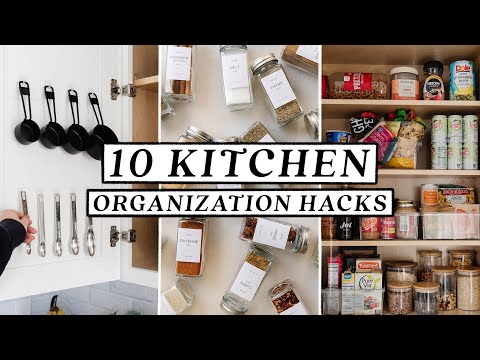
The kitchen is often the heart of the home — and the most cluttered. Start by maximising vertical space with pegboard walls for utensils, tension rods inside cabinets to double your shelf capacity, and clear magnetic jars for spices and dry goods. A well-organised kitchen saves time every single day you cook.
Bedroom and Closet Systems
Build a simple clothing organisation system using slim hangers, drawer dividers made from cardboard or acrylic offcuts, and under-bed rolling storage bins. For wardrobes, a basic rod shelf extender instantly doubles your hanging space without any renovation work.
Home Office and Workspace
Cable management is the silent killer of productivity. Use zip ties, cable clips, and labelled cord sleeves to tame the mess. Add a pegboard above your desk for supplies, and use desktop file organisers to keep paperwork in check. A clean desk literally changes how you think and work.
Budget-Friendly DIY Organisation Hacks
One of the greatest advantages of building your own organisational systems is the cost savings. You don’t need to spend hundreds on bespoke furniture or premium storage containers. Some of the most effective cheap organisation ideas use materials you already have or can pick up for next to nothing.
| DIY Solution | Materials Needed | Approximate Cost | Best For |
| Magnetic spice jars | Jars, magnetic strips | $5–$10 | Small kitchen spaces |
| Tension rod shelf dividers | Tension rods | $3–$8 | Cabinets and closets |
| Shoebox drawer organisers | Old shoeboxes, wrapping paper | $0–$5 | Bedroom and bathroom drawers |
| Pegboard wall system | Pegboard, hooks, brackets | $15–$30 | Workshops, garages, offices |
| Bamboo crate shelves | Bamboo crates, wood screws | $10–$25 | Living room and hallway |
As you can see from the comparison above, most DIY organisation hacks require minimal investment and basic tools you probably already own. A drill, a level, some screws, and a measuring tape are the only essentials for building systems that rival expensive store-bought alternatives.

Advanced DIY Organisation Systems
Once you’ve mastered the basics and your home is running more smoothly, it’s time to level up. Advanced self-organising involves designing integrated systems that adapt as your needs change. Consider installing modular shelving units that can be reconfigured seasonally, building custom pull-out organisers for deep pantry shelves, or creating a command centre near your entryway with hooks, a drop tray, and a mounted calendar.
At this stage, planning becomes just as important as building. Sketch your designs on paper first, measure every dimension twice, and think about how each system will be maintained over time. The best DIY organisation projects are the ones that still feel functional and intuitive six months from now, not just the day they’re finished.
Expert Tips for Staying Organised Long-Term
Building systems is only half the battle. Maintaining them is what separates people who stay organised from those who slowly slide back into chaos. Here’s what experienced organisers swear by:
- The one-in-one-out rule. Every time something new enters your home, something old leaves. This prevents accumulation from sneaking up on you.
- Schedule a monthly reset. Spend 30 minutes each month re-evaluating your systems and adjusting anything that isn’t working.
- Label everything. Even if you think you’ll remember, labels save mental energy and make it easier for everyone in your household to put things back in the right place.
- Use transparent or open storage. Hidden storage works for aesthetics, but open systems make it harder to forget what you own and easier to return items to their homes.
- Build in flexibility. Your needs will change. Design systems that can evolve rather than rigid setups that break the moment your life shifts.
Frequently Asked Questions
What is the easiest DIY organisation project for beginners?
The simplest entry point is reorganising a single drawer or shelf using items you already own — old shoeboxes, repurposed jars, or tension rods. Start small, complete the project in under an hour, and use that quick win to build momentum for bigger weekend projects. The key is proving to yourself that even a tiny change creates a noticeable difference.
How do I stay motivated to maintain a DIY organisation system?
Motivation fades, so design systems that don’t rely on it. The most effective approach is to build simplicity into every system you create. If putting something away requires more than three seconds, the system is too complicated. Visual cues like clear containers and labels reduce the mental load. Pair this with a short weekly routine — even just five minutes on Sunday evening — and your space stays organised without willpower battles.
What are the best cheap materials for DIY organisation projects?
Cardboard, bamboo crates, mason jars, tension rods, command hooks, and pegboard are the most versatile and affordable materials available. You can find most of these at dollar stores, hardware shops, or repurpose items you already have at home. The secret isn’t expensive materials — it’s thoughtful design that makes the most of what you have.
Can DIY organisation actually save money in the long run?
Absolutely. While the upfront cost of building your own storage solutions is often lower than buying pre-made organisers, the real savings come from preventing duplicate purchases. When everything has a designated place, you stop buying things you already own but can’t find. Over time, an organised home pays for itself through reduced waste, fewer impulse purchases, and less time spent searching for misplaced items.
What tools do I need to start building DIY organisation systems?
A basic toolkit is all you need to get started. A power drill, a level, a measuring tape, a pencil, sandpaper, and a variety of screws and brackets will handle the vast majority of DIY organisation builds. You don’t need a professional-grade workshop — a small garage or even a cleared-out corner of your living room serves as a perfectly functional build station for weekend projects.
Conclusion
DIY organisation is more than a trend — it’s a lifestyle shift that puts you in control of your environment and, by extension, your daily experience. From the first decluttering session to building advanced modular systems, every step you take brings your space closer to working the way you actually want it to. Start small, stay consistent, and remember that perfection is the enemy of progress. The best organisational system is the one you’ll actually use, even if it’s not Instagram-perfect. Pick one area today, grab some basic materials, and take the first step toward a home that feels calm, intentional, and genuinely yours.