


A well-executed custom landscape design transforms an ordinary outdoor space into a functional, beautiful extension of your home. Unlike cookie-cutter plans found in generic landscaping templates, bespoke landscape design accounts for your specific property conditions, personal lifestyle preferences, regional climate, and long-term maintenance goals. Whether you are planning a complete yard overhaul or gradually refining specific areas, understanding the principles behind custom landscape design empowers you to make informed decisions and collaborate effectively with landscaping professionals. This guide explores every critical dimension of the custom landscape design process, from initial site analysis through final plant selection, so you can achieve outdoor spaces that genuinely reflect who you are.
What Custom Landscape Design Really Means
Custom landscape design is the deliberate, site-specific process of planning outdoor environments tailored to the unique characteristics of a property and the needs of its occupants. It goes far beyond choosing plants or arranging garden furniture. Professional landscape architecture involves a comprehensive evaluation of topography, soil composition, drainage patterns, sun exposure, existing vegetation, and local building codes. The result is a cohesive outdoor environment where every element, from patio materials to tree placement, serves a purpose while contributing to overall aesthetic harmony.
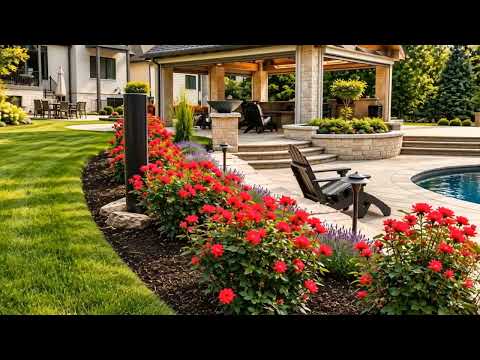
When most homeowners think about custom landscape design, they picture attractive flower beds and manicured lawns. But truly exceptional landscape design integrates hardscaping elements like retaining walls, stone pathways, water features, and outdoor kitchens with softscape components such as perennial plantings, ornamental grasses, and mature shade trees. The interplay between these layers creates depth, dimension, and visual interest that a generic plan simply cannot replicate. A well-designed yard feels intentional from every vantage point, whether you are standing at the front gate or relaxing on a back patio.
Why Custom Landscape Design Outperforms Generic Plans
Stock or template-based landscape plans are designed for average conditions. They assume standard lot sizes, moderate slopes, and generic soil types. Real properties rarely fit these assumptions. A custom approach accounts for microclimates created by your home’s orientation, existing root systems, underground utilities, privacy considerations, and neighborhood aesthetic guidelines. Here is why investing in a tailored plan pays off.
- Site-specific solutions: A custom plan addresses drainage issues, soil pH, and grading challenges with targeted solutions rather than one-size-fits-all workarounds.
- Personalized functionality: Your outdoor space should support how you actually live, whether that means a play area for children, a low-maintenance Zen retreat, or an entertainment-ready patio with fire features.
- Long-term value: Properties with professionally designed landscapes see significant increases in curb appeal and resale value compared to homes with standard or neglected yards.
- Sustainable outcomes: Custom designs incorporate native plants suited to local conditions, reducing water consumption, fertilizer use, and ongoing maintenance demands over time.
- Cohesive aesthetics: Every design choice connects to a unified vision, ensuring that hardscape materials, plant palettes, and lighting all work together seamlessly.
Key Elements of a Custom Landscape Design
Site Analysis and Assessment
Every custom landscape design begins with a thorough site analysis. A qualified landscape designer or architect will evaluate several critical factors before any drawings are produced. These include soil testing to determine nutrient levels and drainage capacity, sun mapping to understand how light moves across the property throughout the day, and a survey of existing structures, utilities, and natural features. This foundational step is what separates a thoughtful design from a guess-and-check approach. Without accurate data on your site’s conditions, even the most beautiful plant choices can fail within the first growing season.
Hardscaping and Softscaping Integration
The most successful custom landscape designs balance hardscaping, the non-living structural elements, with softscaping, which encompasses all plant material and organic features. Hardscape components include patios, walkways, retaining walls, pergolas, and outdoor kitchens. Softscape elements involve turf, shrubs, trees, ground covers, and seasonal flower beds. The key to integration is proportion and flow. A skilled designer considers how a flagstone pathway transitions into a planted border, or how a raised deck extends the visual footprint of an interior room outward. When hardscape and softscape complement each other, the result feels intentional rather than assembled.
Plant Selection and Seasonal Planning
Plant selection is one of the most impactful decisions in any custom landscape design. The right choices depend on your hardiness zone, soil type, sun exposure patterns, and desired maintenance level. Expert designers prioritize native and adaptive species that thrive in local conditions, require less irrigation, and support local pollinator populations. They also plan for seasonal interest, selecting specimens with varied bloom times, interesting bark textures, and structural winter presence so the landscape remains visually engaging year-round.
The Custom Landscape Design Process: Step by Step
Understanding the standard phases of the design process helps set realistic expectations and ensures you stay on track from start to finish.
- Initial Consultation and Goal Setting: You meet with your designer to discuss your vision, lifestyle needs, budget range, and any existing challenges such as erosion, shade limitations, or privacy concerns.
- Site Survey and Data Collection: The designer visits the property to take measurements, photograph existing conditions, collect soil samples, and document drainage patterns or utility locations.
- Concept Development: Using the collected data, the designer creates preliminary sketches exploring different layout options, material choices, and plant palettes that align with your goals.
- Design Refinement: You review the concept plans, provide feedback, and the designer refines details, adjusting proportions, specifying exact plant varieties, and finalizing hardscape materials.
- Construction Documentation: Detailed plans are produced, including elevations, planting schedules, irrigation layouts, and material specifications that contractors can follow precisely.
- Implementation and Installation: The approved plan moves to the construction phase, where grading, hardscape installation, irrigation setup, and planting occur in a logical sequence.
- Maintenance Planning: A good design includes a post-installation care guide covering seasonal maintenance schedules, pruning timelines, and irrigation management.
Popular Custom Landscape Design Styles
Different design philosophies suit different properties and personalities. Understanding these styles helps you communicate your preferences clearly to your designer.
| Style | Key Characteristics | Best Suited For |
| Modern Minimalist | Clean lines, geometric hardscape, limited plant palette, architectural focal points | Urban lots, contemporary homes, low-maintenance homeowners |
| Cottage Garden | Abundant flowering plants, winding pathways, naturalistic borders, informal layout | Rural properties, traditional homes, pollinator-friendly gardens |
| Mediterranean | Terracotta accents, drought-tolerant plants, stone patios, olive trees, water features | Warm climates, sun-exposed properties, water-conscious design |
| Japanese Zen | Asymmetrical balance, gravel beds, moss gardens, stone lanterns, minimalist plantings | Tranquil retreat spaces, shaded properties, meditation gardens |
| Tropical Retreat | Bold foliage, vibrant colors, layered canopy, water features, lush ground covers | Warm humid climates, shaded lots, exotic plant enthusiasts |
Budgeting and Cost Considerations for Custom Landscape Design
Custom landscape design costs vary significantly based on property size, complexity, and regional labor rates. For a thorough professional design plan, homeowners typically invest between five and fifteen percent of the total project construction budget on the design phase alone. This includes the designer’s time for site analysis, concept development, revision rounds, and detailed construction documentation. Skimping on the design phase often leads to costly mistakes during installation, such as improper grading, incompatible plant selections, or infrastructure that does not account for future growth.
A practical approach is to prioritize your project into phases. Focus your budget first on the elements that deliver the highest impact, such as outdoor living spaces, drainage solutions, and key specimen plantings, then expand the design over subsequent seasons. This phased approach allows you to enjoy improvements immediately while spreading costs over time. Always request itemized quotes from your designer so you understand exactly where your investment is going.
Expert Tips for Maximizing Your Custom Landscape Design
- Start with function, then layer in beauty. Define how you want to use each zone of your yard before selecting plants or materials. A space used for outdoor dining needs different infrastructure than a quiet reading nook.
- Design for all four seasons. Choose plants with varied bloom times, interesting bark textures, and structural winter interest so your landscape remains visually engaging throughout the year.
- Invest in proper drainage. Water management issues can undermine even the most expensive hardscape. French drains, dry creek beds, and graded swales should be integrated into the original design rather than retrofitted later.
- Consider maintenance upfront. The most beautiful design is worthless if you cannot maintain it. Be honest about the time and effort you can commit, and let your designer select plants and materials that match your lifestyle.
- Use outdoor lighting strategically. Well-placed landscape lighting extends usability into evening hours, highlights architectural features, and improves safety along pathways and steps.
Frequently Asked Questions About Custom Landscape Design
How long does a custom landscape design project typically take?
The design phase alone usually spans four to eight weeks, depending on the project scope, number of revision rounds, and the designer’s workload. The installation phase can range from a few days for simple projects to several months for comprehensive transformations involving hardscape construction, irrigation installation, and phased planting schedules.
Can I design my landscape myself and still call it custom?
DIY custom landscape design is possible, especially for smaller projects or homeowners with gardening experience. However, professional designers bring expertise in drainage engineering, soil science, structural integrity of hardscape elements, and plant science that typically exceeds what a self-taught approach can deliver. Even if you handle the design yourself, consulting a professional for a review can prevent costly errors.

What is the average cost of hiring a landscape designer?
Landscape design fees vary widely. Hourly rates typically range from $75 to $250 depending on the designer’s credentials and location. Flat project fees for a complete residential design plan generally fall between $2,000 and $10,000 for properties of average size, with larger or more complex estates commanding higher fees.
How do I choose the right plants for my custom landscape?
Selection should be based on your USDA hardiness zone or equivalent climate classification, soil type, sun exposure patterns, and desired maintenance level. Experienced designers prioritize native and adaptive species that thrive in local conditions, require less irrigation, and support local pollinator populations over exotic varieties that demand constant intervention.
Does custom landscape design improve property value?
Research consistently shows that professionally designed landscapes increase property values by five to twenty percent depending on market conditions and the quality of execution. Features like outdoor kitchens, curated plantings, and well-constructed hardscape elements offer one of the highest returns on investment for home improvement projects.
Conclusion
Custom landscape design is far more than a visual exercise. It is a strategic investment in how you experience your outdoor space every day. From the initial site assessment through construction documentation and phased installation, every decision in the process should reflect your unique property and personal goals. By working with skilled landscaping professionals, prioritizing functional needs alongside aesthetic aspirations, and committing to a design that evolves with your lifestyle, you create an outdoor environment that delivers beauty, functionality, and lasting value for decades to come. The difference between a generic yard and a truly exceptional landscape comes down to intention, and that starts with a custom plan built around the real details of your land.