


Designing a contemporary living room goes far beyond simply picking out sleek furniture and calling it a day. It requires a deliberate understanding of spatial flow, material contrast, lighting dynamics, and the art of curating a space that feels both intentional and effortlessly livable. Whether you are starting from scratch or refreshing an existing room, the principles of contemporary design offer a framework that prioritizes clean lines, muted sophistication, and functional elegance. This guide walks you through every layer of contemporary living room design — from foundational concepts to advanced styling strategies — so you can build a space that looks stunning and performs beautifully for years to come.
What Is Contemporary Living Room Design?
Contemporary design refers to what is current and trending in the present moment, which is why it constantly evolves. Unlike traditional interior styles that cling to ornate details and heavy furniture, contemporary living room design embraces minimalism with warmth. It strips away excess ornamentation and replaces it with thoughtful composition. The result is a room that feels open, uncluttered, and grounded in modern aesthetics while remaining welcoming and lived-in.
Many people confuse modern and contemporary design, but they are not the same. Modern design is a specific movement rooted in the mid-20th century, characterized by flat roofs, open floor plans, and a strict adherence to form following function. Contemporary design, on the other hand, is fluid — it borrows from modernism but also integrates elements from industrial, Scandinavian, and minimalist styles as trends shift.
Core Principles of Contemporary Living Room Layout
Before selecting a single piece of furniture, you need to understand the foundational principles that govern contemporary interior spaces. These principles act as a blueprint for every design decision you make.
Color Palettes and Neutral Tones
The contemporary color palette leans heavily on neutrals — warm whites, soft grays, charcoal, and beige form the backbone. However, the best contemporary living rooms use these neutrals strategically. A monochromatic base creates a calm canvas, and then selective pops of bold color — a burnt orange throw pillow, a deep teal accent wall, or a mustard-toned abstract painting — inject personality without overwhelming the space.

Consider this approach for your contemporary living room color scheme:
- Base neutral: Warm white or soft gray on walls and large textiles
- Secondary tone: Charcoal, taupe, or cream for furniture and rugs
- Accent color: One or two bold tones introduced through décor and art
- Metallic accent: Brushed brass, matte black, or polished chrome for hardware and frames

Spatial Flow and Furniture Arrangement
Contemporary living room layout prioritizes breathing room. Furniture should be arranged to encourage conversation while maintaining clear pathways. Avoid pushing every piece against the walls — floating your sofa and armchairs slightly inward can define a conversation zone without making the room feel cramped. The goal is balance between filled space and open negative space.
Furniture Selection for a Contemporary Living Room
When choosing furniture for a contemporary living room, think low-profile, sculptural, and functional. The pieces should make a visual statement without competing with each other. This is where many beginners struggle — they try to match everything perfectly, which actually kills the contemporary feel.
Choosing Statement Pieces
A well-designed contemporary living room typically features one or two statement pieces that anchor the room. This could be a sleek, low-slung sectional sofa in a neutral fabric, a sculptural coffee table in marble and steel, or an oversized arc floor lamp that doubles as art.
Here are practical tips for selecting the right furniture:
- Prioritize clean lines over curves. Contemporary design favors straight edges, geometric shapes, and asymmetrical forms.
- Invest in quality over quantity. Fewer, higher-quality pieces look far more intentional than filling the room with mass-produced items.
- Mix materials thoughtfully. Pair wood with metal, leather with linen, and glass with concrete to create layered visual interest.
- Choose furniture with exposed legs. Raised furniture creates an airy, open feel that is a hallmark of contemporary design.
| Design Element | Modern Style | Contemporary Style |
| Silhouette | Mid-century curves and tapered legs | Low-profile, geometric, and asymmetrical |
| Materials | Teak, walnut, molded plastic | Mix of natural wood, metal, glass, and concrete |
| Color Approach | Bold primary colors (mustard, teal, orange) | Neutral base with selective accent colors |
| Ornamentation | Minimal but intentional sculptural details | Almost zero ornamentation; form follows function |
| Evolution | Fixed aesthetic from the 1920s–1970s | Ever-evolving with current trends and innovations |
Lighting Strategies That Elevate Modern Spaces
Lighting is arguably the most transformative element in contemporary living room design. A well-layered lighting plan combines ambient, task, and accent lighting to create depth and mood. Overhead recessed lights alone will make a room feel flat and corporate. Instead, combine a statement pendant fixture with floor lamps, table lamps, and indirect cove lighting to build dimension.
For contemporary spaces, consider these lighting recommendations:
- Pendant lights with geometric or organic shapes hung above the coffee table or seating area
- Track lighting or adjustable recessed spotlights to highlight artwork and architectural features
- LED strip lighting installed behind shelving or along ceiling edges for ambient glow
- Floor lamps with sculptural silhouettes in brushed brass or matte black finishes
Dimmers are non-negotiable in a contemporary living room. The ability to adjust light levels throughout the day transforms the room’s mood and extends its usability from morning coffee to evening entertaining.
Materials and Textures That Define the Contemporary Aesthetic
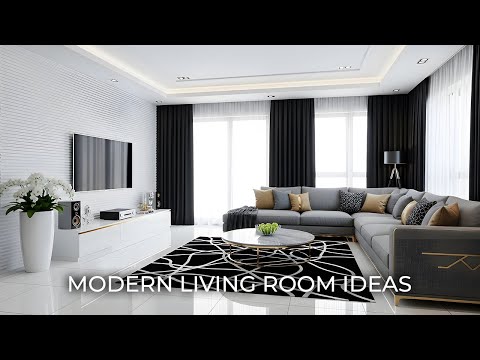
Texture is what prevents a contemporary living room from feeling cold or sterile. Without it, a room full of smooth surfaces and neutral tones can feel clinical. The key is layering textures that complement each other without creating visual noise.
Here is a texture hierarchy you can follow:
- Smooth and hard: Polished concrete floors, glass tabletops, lacquered cabinets
- Natural and tactile: Jute or sisal area rugs, linen throw blankets, live-edge wood shelves
- Soft and inviting: Velvet accent chairs, wool bouclé pillows, cashmere throws
- Metallic and reflective: Brushed brass side tables, chrome floor lamps, matte black fixtures
Expert designers recommend sticking to three to four distinct textures per room. More than that and the space starts to feel chaotic rather than curated. This principle applies whether you are working with a compact urban apartment or a spacious open-plan layout.
Technology Integration in Contemporary Living Rooms
One of the defining characteristics of contemporary living room design is the seamless integration of technology. Smart home systems are not an afterthought — they are woven into the architecture and décor from the start. Concealed speakers, recessed TVs, motorized blackout blinds, and app-controlled lighting systems all contribute to the clean, uncluttered aesthetic that defines the style.
For homeowners designing a contemporary living room with technology in mind, focus on hiding the infrastructure. Run cables through walls, use floating media consoles with closed storage, and choose devices with minimal visual footprint. The technology should serve the design, not compete with it.
Common Mistakes to Avoid When Designing a Contemporary Living Room
- Over-accessorizing. Contemporary design thrives on restraint. Too many decorative objects on shelves and tables create visual clutter that contradicts the style’s core philosophy.
- Ignoring scale. Oversized furniture in a small room or tiny accent pieces in a large room both disrupt the spatial balance that contemporary design demands.
- Skipping the rug. An area rug defines the seating zone and adds warmth and texture. Skipping it is one of the most common mistakes beginners make.
- Using only one light source. Relying solely on a central ceiling fixture creates harsh, flat lighting that undermines the layered atmosphere contemporary design seeks.
- Following trends blindly. While contemporary design is inherently trend-responsive, investing in timeless statement pieces ensures longevity over chasing every passing fad.
Frequently Asked Questions
How to design a contemporary living room on a budget?
Start with a neutral paint palette and invest in one or two high-quality statement pieces rather than filling the room with inexpensive furniture. Thrift stores and online marketplaces offer contemporary-style side tables, floor lamps, and decorative objects at a fraction of retail prices. Repainting old furniture in matte black or warm white instantly modernizes it. Focus your budget on the sofa and coffee table, as these are the most visually dominant pieces in the room.
What color palette works best for contemporary living rooms?
The most effective contemporary color palette starts with a warm neutral base — think creamy white, soft taupe, or light gray — paired with one or two accent tones such as deep navy, charcoal, or muted olive. Metallic accents in brushed brass or matte black add refinement without overwhelming the space. The key is keeping the palette cohesive and limiting it to three to four colors throughout the entire room.
How to choose furniture for a contemporary living room?
Select furniture with clean lines, low profiles, and exposed legs. Prioritize quality materials like solid wood, leather, and brushed metals. Avoid heavy ornamentation and overly curved silhouettes. Each piece should serve a clear functional purpose and contribute to the room’s overall visual harmony. When in doubt, fewer pieces arranged with intention always outperform a crowded room full of furniture.
Modern vs contemporary living room design differences — what really matters?
The most important difference is that modern design refers to a fixed historical movement with specific aesthetic rules, while contemporary design is fluid and ever-changing. Modern design favors mid-century silhouettes, warm woods, and bold color blocks. Contemporary design is more adaptable, emphasizing minimalism, neutral tones, and current trends. Think of modern as a subset that contemporary design continuously draws from and evolves beyond.
Best lighting for contemporary living room design?
The best lighting approach combines three layers: recessed ambient lighting for general illumination, sculptural pendant or floor lamps for task and mood lighting, and LED accent strips to highlight architectural features or artwork. Always install dimmers. Adjustable, warm-toned lighting creates the layered atmosphere that separates a well-designed contemporary room from a basic one.
Conclusion
Designing a contemporary living room is both an art and a discipline. It demands a clear vision, an understanding of foundational principles, and the confidence to edit ruthlessly. From selecting a restrained color palette and layering textures to integrating smart technology and avoiding common pitfalls, every decision contributes to the room’s overall impact. The most successful contemporary living rooms are not the ones with the most expensive furniture — they are the spaces where every element feels intentional, balanced, and unmistakably current. Start with the principles outlined in this guide, trust your instincts, and build a living room that reflects both sophistication and comfort.