


There is something genuinely magical about creating something from nothing. Whether you are a complete beginner looking for your first project or a seasoned maker searching for your next challenge, the world of awesome things to make offers endless possibilities that blend creativity, practical skills, and pure satisfaction. From handmade home decor that transforms a living space to custom gadgets that solve everyday problems, the act of building something with your own hands has never been more accessible or rewarding. In this comprehensive guide, we will explore a wide range of projects spanning every skill level, dive into the materials and tools you need, and share expert insights that will help you bring your ideas to life with confidence and precision.
Why Making Things by Hand Is More Valuable Than Ever
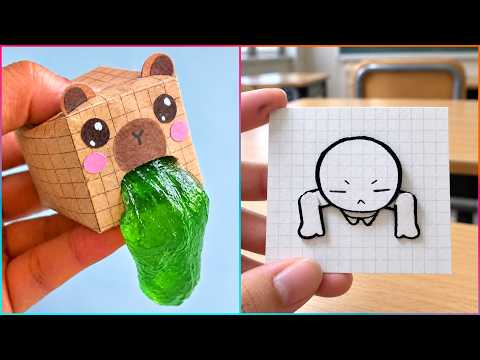
Before diving into specific projects, it is worth understanding why handmade creation has surged in popularity over the past decade. The rise of digital fatigue, sustainability awareness, and the desire for personalized possessions has fueled a massive maker movement. People are tired of mass-produced, cookie-cutter items, and they want pieces that carry meaning, story, and individuality. When you build something yourself, you gain hands-on problem-solving skills, a deeper appreciation for craftsmanship, and a collection of items that reflect your personality far better than anything you could buy off a shelf.
Additionally, making things has measurable mental health benefits. Studies consistently show that creative, tactile activities reduce cortisol levels, improve focus, and foster a state of flow that modern life rarely provides. Whether you are shaping clay, soldering a circuit, or stitching fabric, the process itself becomes a form of mindfulness.
Awesome Things to Make for Every Skill Level
Beginner Projects: Start Simple and Build Confidence
If you are brand new to DIY and handmade projects, starting with accessible, low-cost builds is the smartest approach. These beginner-friendly projects require minimal tools and deliver satisfying results quickly.
- Hand-painted concrete planters — Using basic molds, quick-set concrete, and acrylic paint, you can create stunning planters for herbs and succulents in under an hour.
- No-sew fabric wall hangings — Cut felt or linen pieces, layer them creatively, and mount them on a dowel for an instant bohemian accent.
- Custom coasters from resin and dried flowers — Pour clear epoxy resin into silicone molds, add pressed flowers, and let them cure for a professional-looking result.
- Bamboo desk organizers — Cut and assemble bamboo skewers or strips into geometric trays for pens, phones, and notes.

The key at this stage is repetition and experimentation. Do not worry about perfection. Every project teaches you how materials behave, how tools feel in your hands, and how your creative instincts develop.
Intermediate Projects: Level Up Your Craft
Once you have completed a handful of beginner builds, you are ready to tackle projects that introduce new techniques, sharper tools, and more complex design decisions.
- Reclaimed wood shelving units — Learn basic woodworking joinery, sanding techniques, and finishing methods by transforming salvaged lumber into functional wall-mounted shelves.
- Hand-thrown ceramic mugs and bowls — A pottery wheel opens up an entirely new creative dimension. Start with simple cylinder forms before experimenting with shapes and glazes.
- LED neon sign replicas — Using flexible LED strip lights and acrylic backboards, you can recreate your favorite quotes, logos, or symbols with a glowing, modern aesthetic.
- Leather wallet or belt making — Basic leatherwork involves cutting, stitching, burnishing edges, and applying finishes. A simple bi-fold wallet is the perfect first project.
- Homemade candles with layered scents — Work with soy wax, fragrance oils, wicks, and dye chips to craft candles that rival boutique products.
At the intermediate stage, investing in a few quality tools pays dividends. A good set of clamps, a reliable hot glue gun, a rotary cutter, or even a basic soldering iron will dramatically expand what you can create.
Advanced Projects: Challenge Yourself with Complex Builds
For experienced makers, the most exciting projects push technical boundaries and demand precision, patience, and creative vision.
- Custom-built furniture from scratch — Designing and constructing a dining table, bench, or bed frame from raw lumber involves advanced joinery, wood selection, and finishing expertise.
- Arduino-powered smart home devices — Program microcontrollers to build automated plant watering systems, smart mirrors, or ambient lighting rigs that respond to voice commands or sensor input.
- 3D-printed mechanical sculptures — Using CAD software and a filament printer, design intricate moving parts that form kinetic art pieces.
- Hand-forged metalwork — Blacksmithing basics like forging a knife, a bottle opener, or decorative hooks require a forge, anvil, and hammer, but the results are extraordinary.
Advanced projects often require dedicated workspace, safety equipment like goggles and gloves, and a willingness to learn from mistakes. The reward, however, is a level of mastery and satisfaction that simple builds simply cannot match.
Comparing Project Categories: Which Type of Making Is Right for You?
Different people gravitate toward different types of projects depending on their interests, available space, and budget. The table below compares popular project categories across key factors to help you decide where to start.
| Category | Skill Level | Average Cost | Time to Complete | Best For |
| Resin and concrete crafts | Beginner | $10–$30 | 1–3 hours | Home decor enthusiasts |
| Woodworking and carpentry | Intermediate to Advanced | $40–$150 | Days to weeks | Functional furniture makers |
| Electronics and Arduino builds | Intermediate to Advanced | $20–$80 | 4–20 hours | Tech-minded creators |
| Textile and fabric arts | Beginner to Intermediate | $15–$50 | 2–8 hours | Fashion and soft furnishing lovers |
| Leatherwork | Intermediate | $25–$70 | 3–10 hours | Luxury accessory makers |
| Ceramics and pottery | Beginner to Advanced | $30–$100 | 1–5 hours per piece | Artistic and tactile learners |
Notice how the cost and time investment scale with complexity. You do not need to spend a fortune to start making impressive things. Many of the most admired handmade items cost less than fifty dollars and can be completed over a single weekend.
Essential Tools and Materials You Should Have on Hand
Regardless of the type of project you pursue, a well-stocked toolkit makes every project smoother and more enjoyable. Here is a practical list of essentials organized by category.
- Measuring and marking: Tape measure, combination square, marking gauge, carpenter’s pencil
- Cutting: Handsaw, utility knife, rotary cutter, tin snips
- Fastening and joining: Wood glue, epoxy, hot glue gun, clamps, screws, rivets
- Finishing: Sandpaper (various grits), paintbrushes, foam rollers, wood stain, sealant
- Safety: Safety glasses, dust mask, work gloves, ear protection
- Specialty tools: Soldering iron, rotary tool (like a Dremel), sewing machine, pottery wheel
You do not need every tool from day one. Start with the basics for your chosen category and expand your collection as your projects grow in complexity. Quality over quantity matters enormously here — a single well-made chisel or a sharp rotary tool will outperform a drawer full of cheap alternatives.
Expert Tips for Creating Truly Awesome Things
Experienced makers follow a few principles that separate good results from great ones. Keep these tips in mind as you plan and execute your next build.

- Always test your materials first. Before committing to a full project, run a small test piece. This applies to wood stains, resin colors, solder joints, and fabric dye baths. Testing saves time, money, and frustration.
- Design before you build. Even a rough sketch on paper dramatically improves the outcome. Sketch your idea, note dimensions, and identify potential challenges before picking up a single tool.
- Embrace imperfection. Some of the most beloved handmade items feature slight irregularities that give them character. A handmade ceramic mug with an uneven rim tells a story that a factory-made cup never will.
- Document your process. Take photos at each stage. This builds your portfolio, helps you troubleshoot mistakes, and creates content if you ever want to share your work online.
- Join a maker community. Online forums, local workshops, and maker spaces connect you with people who share your passion. Feedback, collaboration, and inspiration flow freely in these environments.
- Invest in one great tool rather than many cheap ones. A single high-quality power drill will outlast and outperform three budget options. Prioritize durability and versatility.
Conclusion: Your Next Great Project Is Waiting
The world of awesome things to make is vast, welcoming, and endlessly creative. Whether you are crafting your first resin coaster or forging a blade from raw steel, every project builds skills, confidence, and a deeper connection to the objects you surround yourself with. Start where you are, use what you have, and resist the urge to wait for perfect conditions. The best maker is the one who starts today, learns from every build, and keeps pushing creative boundaries with each new project. Pick something from this guide, gather your materials, and let the making begin.
Frequently Asked Questions
What are the easiest things to make for absolute beginners? Hand-painted concrete planters, no-sew fabric wall hangings, and simple resin coasters are among the easiest projects to start with. They require minimal tools, low material costs, and deliver impressive results within a single afternoon. These projects teach foundational skills like mixing, pouring, cutting, and assembling that transfer directly to more advanced builds.
How much does it cost to start making handmade projects at home? A basic starter kit with essential tools and materials typically costs between $25 and $75 depending on the craft category. Beginners can make their first several projects for under $50 total by purchasing affordable supplies from craft stores or online retailers. As you progress, you can reinvest savings into higher-quality tools and specialty materials.
What is the best way to learn a new making skill quickly? The fastest path to learning is combining video tutorials with hands-on practice. Platforms like YouTube offer thousands of free step-by-step project walkthroughs. Pair watching with doing immediately — even imperfect attempts build muscle memory and understanding far faster than passive viewing alone. Joining a local maker space or online community also accelerates learning through feedback and shared experience.
Can making things actually save money compared to buying? Yes, particularly for high-quality custom items like handmade furniture, artisan candles, leather goods, and ceramic dinnerware. While the per-unit cost of a single project may sometimes exceed a mass-produced equivalent, handmade items are typically more durable, personalized, and valuable over time. Many makers also discover they can sell their creations, turning a hobby into a supplemental income stream.
What tools do I absolutely need to start making things at home? A basic toolkit should include a quality tape measure, a set of clamps, wood glue, a hot glue gun, sandpaper in multiple grits, a utility knife, and safety glasses. These six essentials cover the vast majority of beginner and intermediate projects across woodworking, crafting, and upcycling disciplines. You can add specialty tools as your skills and project complexity grow.
Are there eco-friendly materials I should consider for my projects? Absolutely. Reclaimed wood, recycled glass, natural fibers like hemp and organic cotton, soy-based waxes, water-based stains, and bio-resins are all excellent sustainable alternatives. Choosing reclaimed or recycled materials not only reduces environmental impact but often adds unique character and history to your finished pieces. Many online suppliers now specialize in eco-friendly crafting materials at competitive prices.