Designer outdoor furniture has evolved far beyond simple garden benches and basic plastic sets. Today, it represents a fusion of art, engineering, and premium craftsmanship that transforms patios, decks, and outdoor living spaces into extensions of your home’s interior luxury. Whether you are redesigning a sprawling backyard retreat or outfitting a compact urban balcony, investing in high-end outdoor furnishings offers unmatched style, durability, and comfort. This guide dives deep into everything you need to know about selecting, styling, and maintaining designer outdoor furniture that elevates your outdoor living experience.
What Is Designer Outdoor Furniture?
Designer outdoor furniture refers to meticulously crafted pieces created by renowned designers or luxury furniture brands specifically engineered for exterior use. Unlike mass-market alternatives, these pieces feature superior materials, innovative construction techniques, and aesthetic attention that rivals indoor furniture. The category spans outdoor sofas, dining sets, lounge chairs, fire pit seating, and modular configurations designed to withstand sun, rain, wind, and temperature fluctuations while retaining their visual appeal.
What separates designer outdoor furniture from standard patio sets is the deliberate focus on ergonomics, material integrity, and design coherence. Brands like B&B Italia Outdoor, Durabilis, Fermob, and Muuto invest heavily in research and development to ensure each piece performs beautifully in real-world conditions.
Why Designer Outdoor Furniture Is Worth the Investment
While the price point of designer outdoor furniture often exceeds that of big-box alternatives, the long-term value proposition is compelling. Here is why homeowners and interior designers increasingly gravitate toward high-end outdoor furnishings:
- Superior durability: Premium materials like marine-grade stainless steel, powder-coated aluminum, and high-density polyethylene (HDPE) last decades, not seasons.
- Design integrity: Each piece is part of a curated collection, ensuring visual harmony across your outdoor space.
- Comfort engineering: Designer brands prioritize ergonomic seating with precision-tuned cushioning and support systems.
- Weather resistance: Advanced protective coatings and UV-stabilized fabrics ensure longevity even in harsh climates.
- Resale and lifestyle value: A well-appointed outdoor living area significantly increases property appeal and personal enjoyment.
Material Matters: Choosing the Right Build
The foundation of any exceptional designer outdoor piece lies in its material selection. Understanding what goes into construction helps you make informed purchasing decisions that align with your climate, aesthetic preferences, and maintenance tolerance.

Top Materials Used in Designer Outdoor Furniture

Not all outdoor furniture materials are created equal. Below is a detailed comparison of the most common materials found in luxury outdoor collections:
| Material | Durability | Style Range | Maintenance Level | Best For |
| Marine-Grade Stainless Steel | Excellent — rust and corrosion resistant | Modern, minimalist, industrial | Low — occasional wiping | Coastal climates, contemporary spaces |
| Powder-Coated Aluminum | Very Good — lightweight and sturdy | Broad — sleek to traditional | Low — wipe clean | All climates, versatile styling |
| HDPE (Recycled Plastic) | Exceptional — UV and moisture proof | Modern, clean lines | Minimal — hosing off is enough | Poolside, high-humidity areas |
| Teak Wood | Outstanding — natural oils resist decay | Classic, tropical, Scandinavian | Moderate — periodic oiling | Warm climates, timeless aesthetics |
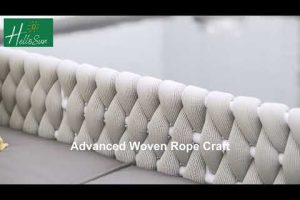
| Woven Synthetic Rattan | Very Good — fade and weather resistant | Coastal, boho, resort-style | Low — soap and water | Patios, cabanas, casual lounges |
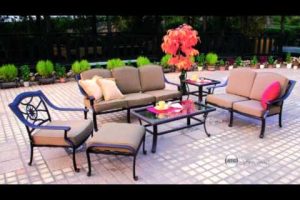
| Cast Aluminum with Powder Coat | Excellent — heavy-duty and stable | Traditional, vintage, ornate | Low — minimal upkeep | Formal dining areas, all seasons |
Among these, marine-grade stainless steel and HDPE have gained significant traction in the luxury outdoor furniture market due to their balance of longevity and low maintenance. Teak remains a timeless favorite for those who appreciate natural wood warmth, though it does require periodic care to preserve its silvery-gray patina or golden hue.
How to Choose the Perfect Designer Outdoor Furniture for Your Space
Selecting the right pieces involves more than picking what looks beautiful in a showroom. Consider these practical factors before making a purchase:
- Climate compatibility: If you live in a coastal area with salt air, prioritize corrosion-resistant metals and UV-stabilized textiles. For regions with heavy snowfall, choose pieces with powder-coated finishes that resist cracking in freezing temperatures.
- Space dimensions: Measure your outdoor area carefully. Modular designer outdoor sofa systems offer flexibility for smaller spaces, while expansive dining sets suit larger entertaining areas.
- Functional priority: Define whether your primary need is relaxation, dining, socializing, or a combination. This dictates whether you invest in lounge clusters, formal dining ensembles, or multifunctional modular systems.
- Cushion and fabric quality: Look for solution-dyed acrylic fabrics like Sunbrella, which resist fading, mildew, and moisture while offering a luxurious hand feel.
- Brand reputation and warranty: Established designer brands typically offer extended warranties that reflect confidence in their craftsmanship and material engineering.
Matching Furniture to Your Outdoor Room Concept
Modern outdoor design treats patios and decks as “outdoor rooms.” This means your furniture selection should mirror the design language of your interior spaces. If your home features mid-century modern aesthetics, opt for clean-lined designer outdoor lounge chairs with tapered legs. For Mediterranean or Tuscan interiors, wrought iron and natural teak pieces create seamless continuity between inside and outside living areas.
Best Design Styles for Outdoor Spaces
The range of design styles available in the designer outdoor furniture market is remarkably diverse. Here are the most sought-after aesthetic categories:
- Contemporary Minimalist: Characterized by streamlined silhouettes, neutral color palettes, and geometric precision. Brands like Fermob and Hay excel in this category, using bold single-color powder coatings and minimalist frame designs.
- Mid-Century Modern: Inspired by the 1950s and 60s design movement, featuring tapered wood legs, organic curves, and warm tonal palettes. Pieces from brands like Gloster and Loll Designs capture this aesthetic beautifully.
- Coastal Resort: Light, airy, and relaxed — think white-washed wood, woven rattan, and sun-bleached textiles. This style thrives in beachfront properties and casual backyard settings.
- Industrial Luxe: Combines raw material textures like blackened steel and raw aluminum with premium upholstery and warm wood accents. Ideal for urban rooftops and lofts with outdoor access.
- Scandinavian Outdoor: Light woods, soft curves, muted earth tones, and functional simplicity. Brands like Hespeler and Skagerak lead this category with furniture that feels both warm and refined.
Maintenance Tips to Keep Designer Furniture Looking New
Even the highest quality luxury outdoor furnishings benefit from proper care. Follow these expert maintenance strategies to protect your investment:
- Seasonal deep cleaning: Use mild soap and warm water to clean all surfaces at the start and end of each season. For fabric cushions, remove and wash with gentle detergent, then air dry completely before storage.
- Protective covers: Invest in fitted, breathable covers for pieces left outdoors year-round. This prevents moisture buildup, UV discoloration, and debris accumulation during off-seasons.
- Metal care: For stainless steel and aluminum pieces, avoid abrasive cleaners that strip protective coatings. A soft cloth with a manufacturer-recommended polish maintains the finish.
- Wood treatment: Teak and other hardwoods benefit from annual oiling or sealant application to prevent graying and extend the wood’s natural moisture resistance.
- Cushion storage: Never leave fabric cushions exposed during extended periods of non-use. Storing them in a dry, climate-controlled space prevents mold, mildew, and fiber degradation.
As a general rule, dedicate 30 minutes per month to basic furniture care — wiping frames, fluffing cushions, and inspecting hardware. This simple routine dramatically extends the lifespan of even the most premium designer outdoor collections.
Common Mistakes to Avoid When Buying Designer Outdoor Furniture
- Ignoring weight capacity: Always check the manufacturer’s recommended weight limit, especially for seating and lounging pieces. Overloading lightweight aluminum frames can compromise structural integrity.
- Skipping sample orders: When purchasing high-end pieces online, order fabric swatches and finish samples first. Colors and textures can vary significantly between digital images and physical materials.
- Underestimating shipping costs: Designer outdoor furniture is heavy and often requires white-glove delivery. Factor shipping and installation costs into your budget before committing to a purchase.
- Mixing incompatible materials: Combining untreated natural wood with metals prone to galvanic corrosion can accelerate deterioration. Ensure material pairings are chemically compatible for longevity.
FAQs: Long-Tail Keyword Questions About Designer Outdoor Furniture
What are the best designer outdoor furniture brands for small patios?
Brands like Fermob, Bloomroom, and Loll Designs offer compact modular collections specifically engineered for smaller outdoor footprints. Look for nesting dining tables, stackable chairs, and slim-profile lounge sets that maximize seating without overcrowding your space.
Is designer outdoor furniture worth the price compared to regular patio sets?
Absolutely. Designer outdoor furniture uses premium materials like marine-grade stainless steel, solution-dyed acrylic fabrics, and kiln-dried hardwoods that outlast standard patio furniture by 5 to 10 years. The investment pays off through superior comfort, timeless design, and reduced replacement costs over time.
How do I protect designer outdoor furniture during winter months?
Use fitted waterproof covers for all pieces, store removable cushions indoors in a dry location, and elevate furniture slightly off surfaces to allow airflow. For wooden pieces, apply a protective sealant before winter to prevent moisture absorption and freeze-thaw damage.

What fabric is best for designer outdoor furniture cushions?
Solution-dyed acrylic fabrics, particularly Sunbrella and its equivalents, are the gold standard. They resist UV fading, repel water, inhibit mold and mildew growth, and maintain their color vibrancy for 10+ years with proper care.
Can designer outdoor furniture be used year-round in all climates?
Many designer collections are specifically engineered for all-season use. Marine-grade stainless steel, powder-coated aluminum, and HDPE pieces handle extreme heat, freezing temperatures, and coastal conditions without degradation. Always verify the manufacturer’s climate recommendations before purchasing.
Final Thoughts on Designer Outdoor Furniture
Choosing designer outdoor furniture is ultimately an investment in your quality of life. The right pieces transform an ordinary backyard into a sophisticated outdoor living room where memories are made, meals are shared, and relaxation becomes a daily ritual. By prioritizing material quality, design coherence, and proper maintenance, you ensure that your outdoor space remains a stunning extension of your home for years to come. Whether you are just beginning to curate your outdoor collection or upgrading existing pieces, the world of high-end outdoor furnishings offers limitless possibilities for creating a space that is both functionally exceptional and visually breathtaking.