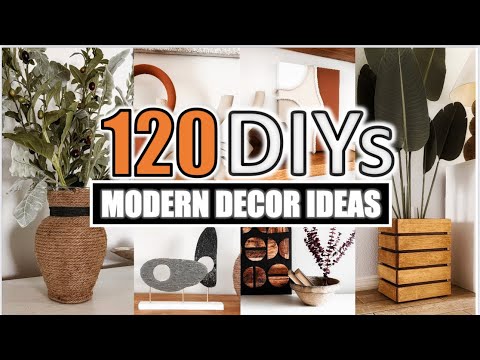
When you walk into a room, the first thing that strikes you is rarely the furniture or the architectural framework. Instead, it is the atmosphere—the intangible energy that makes you feel instantly relaxed or completely energized. This transformative power lies entirely within the realm of decor ideas. Whether you are moving into a brand-new apartment or simply looking to breathe new life into a tired living space, the right decorative approach acts as the soul of your home. Interior styling is not merely about placing objects on shelves or hanging pictures on walls; it is an intentional act of self-expression that reflects your personality while optimizing the functionality of your environment. For many homeowners and renters alike, the journey of redecorating can feel overwhelming, especially when faced with endless trends and conflicting advice. However, mastering the art of interior decoration becomes significantly easier when you understand the core principles that guide successful design. Instead of chasing fleeting trends, the most impactful spaces are built on a foundation of cohesion, balance, and personal resonance.
The Psychology Behind Successful Decor Ideas

Understanding why certain decor ideas resonate with us requires a brief dive into the psychology of color and spatial arrangement. Our brains are wired to respond to visual stimuli, meaning the way we decorate directly impacts our mood and productivity. Before you purchase a single throw pillow or piece of wall art, you must define the emotional goal of the room. Are you seeking a sanctuary of calm, a hub for social interaction, or a vibrant workspace that sparks creativity? The answers to these questions dictate your entire design trajectory. A deep, moody navy blue might look stunning in a magazine, but it could make a small bedroom feel claustrophobic over time. Conversely, warm, earthy tones and natural textures foster a sense of security and grounding. By aligning your decorative choices with your emotional needs, you create a home that truly supports your daily life.
How Color Palettes Set the Mood
Color theory is the backbone of any effective decor strategy. When selecting a palette, consider the lighting in your space. North-facing rooms benefit from warm, light neutrals to counteract the cool, shadowy light, while south-facing rooms can handle deeper, cooler hues without feeling overheated. Monochromatic schemes create a serene, uninterrupted flow, whereas complementary color contrasts inject energy and drama into a room. Always test your chosen hues with large swatches on the walls before committing, as the subtle shift in lighting from morning to evening can drastically alter a color’s appearance.
The Role of Negative Space in Decor

Negative space, or the empty area around and between objects, is just as important as the objects themselves. Overcrowding a room with decor items is a surefire way to create visual chaos and mental clutter. Expert interior designers use negative space to let the eye rest, effectively highlighting the pieces that matter most. Leave areas of your coffee table intentionally empty, and resist the urge to fill every corner with a plant or a lamp. Restraint is the ultimate sign of sophisticated taste.
Essential Decor Ideas for Beginners
Stepping into the world of interior design does not require a massive budget or formal training. With a few strategic moves, you can completely transform the look and feel of your home. Starting small allows you to develop your eye for detail without the pressure of overhauling an entire floor plan. These foundational techniques will give your space an instant upgrade. When approaching a new room, follow this sequential process to ensure a cohesive outcome:
- Evaluate the natural light sources and existing architectural features of the room.
- Select a primary color palette that reflects the desired mood and energy level.
- Anchor the space with a statement piece that serves as the focal point.
- Layer in textiles like rugs, throws, and curtains to add warmth and depth.
- Incorporate personal artifacts and greenery to make the space uniquely yours.
By following these steps methodically, you will avoid the common pitfall of haphazardly purchasing decor items that clash with the existing aesthetic. Even the most subtle decor ideas gain impact when they are part of a deliberate, well-thought-out plan.
Mastering the Rule of Threes
The rule of threes is a time-tested design principle that states objects arranged in odd numbers are more visually appealing and memorable than even-numbered groupings. When decorating a mantelpiece, a console table, or a bookshelf, group items in threes. This could mean a set of varying-height vases, a trio of framed photographs, or a cluster of books topped with a decorative object. The asymmetry creates dynamic movement, preventing the arrangement from looking rigid or staged.
Budget-Friendly Transformations
You do not need to spend a fortune to achieve a high-end look. Some of the most effective decor ideas rely on repurposing and strategic painting. A fresh coat of paint on an inexpensive side table can completely disguise outdated wood grain. Similarly, swapping out hardware on cabinets—such as replacing basic knobs with sleek brass pulls—is a relatively low-cost update that dramatically changes the perceived quality of the furniture. Another pro tip is to utilize multi-functional decor pieces, such as ottomans with hidden storage or decorative baskets that also serve as organizational bins.
Intermediate Decor Ideas to Elevate Your Space
Once you have mastered the basics of arrangement and color, it is time to explore more nuanced styling techniques. Intermediate decor focuses on layering, mixing materials, and introducing statement pieces that elevate the room from generic to curated. This stage requires a bit more confidence and a willingness to take calculated risks with your aesthetic choices.
Layering Textures for Visual Depth
Flat, one-dimensional rooms lack visual interest. The secret to creating a rich, inviting atmosphere lies in layering different textures. Combine smooth silk throw pillows with a chunky knit blanket, pair a rustic wooden dining table with sleek metal chairs, or place a plush velvet armchair against a leather sofa. Texture adds tactile depth, inviting people to not only look at the room but to touch and experience it. When you combine matte finishes with glossy surfaces, and rough weaves with polished metals, you create a sensory landscape that keeps the eye engaged.
Statement Furniture Selection
While every piece of furniture does not need to make a bold statement, incorporating one or two anchor pieces can define the entire character of a room. A mid-century modern lounge chair with flared legs, an oversized marble coffee table, or an ornate velvet headboard can act as the focal point around which the rest of the room is organized. When selecting a statement piece, ensure it aligns with your established color palette. The furniture should complement the space rather than compete with it for attention.
Advanced Decor Ideas for Professional-Level Interiors
Advanced decorating transcends mere aesthetics; it becomes an architectural conversation. At this level, you are integrating custom architectural elements, manipulating sight lines, and using lighting as a precision instrument to sculpt the room’s atmosphere. These strategies demand a deep understanding of spatial dynamics and require meticulous execution.
Architectural Integration and Moldings
Professional interior designers often use architectural millwork to add dimension and elegance without cluttering the space. Crown molding, wainscoting, and chair rails are no longer reserved for traditional homes; modern interpretations add timeless sophistication to contemporary spaces. Consider installing recessed lighting within a ceiling tray to highlight the architectural detail, or use wall panels to create a textured accent wall that changes the perceived proportions of the room. These permanent fixtures frame the space, giving it a cohesive, high-end finish that painted walls alone simply cannot achieve.
Custom Lighting Design Strategies
Lighting is arguably the most powerful yet overlooked tool in advanced decor. Relying solely on a single ceiling fixture creates harsh shadows and a flat, uninviting atmosphere. True design mastery involves layering your lighting into three distinct tiers: ambient, task, and accent. Ambient lighting provides general illumination through recessed fixtures or dimmable chandeliers. Task lighting targets specific functional areas, such as under-cabinet lights in the kitchen or a sculptural desk lamp in a home office. Finally, accent lighting highlights your art pieces or architectural features, using track lights to draw the eye exactly where you want it. The key to expert-level lighting is dimmability; having control over the intensity allows you to shift the room’s mood effortlessly from a lively dinner party to a quiet evening.
Room-by-Room Decor Inspiration

Every room in your home serves a distinct purpose, and therefore requires a tailored approach to decoration. Below is a comparison of popular styles to help you identify the right aesthetic for your specific lifestyle and functional needs.
| Style | Best For | Key Elements | Vibe |
| Modern Minimalist | Small apartments, busy professionals | Clean lines, neutral palette, hidden storage | Calm, uncluttered, efficient |
| Coastal Cottage | Family homes, vacation rentals | Natural light, woven textiles, blue-white tones | Relaxed, airy, nostalgic |
| Industrial Chic | Lofts, open-concept spaces | Exposed brick, metal accents, reclaimed wood | Edgy, urban, raw |
When implementing these room-specific styles, always prioritize functionality alongside visual appeal. A beautifully styled living room that lacks comfortable seating defeats the purpose of home decoration. Similarly, a stunning kitchen that lacks adequate prep space will quickly become frustrating to use. The best decor ideas seamlessly blend form and function, ensuring that your space looks as good as it feels.
Frequently Asked Questions About Decor Ideas
What are the easiest decor ideas for a small room?
The easiest way to decorate a small room is to maximize vertical space and utilize mirrors to create an illusion of depth. Mounting shelves high on the walls draws the eye upward, making the ceiling feel higher. Placing a large mirror directly across from a window reflects natural light and visually doubles the perceived square footage. Stick to a light, neutral color palette to prevent the walls from closing in, and choose furniture with exposed legs to maintain a sense of openness on the floor.
How often should you update your home decor ideas?
Unlike fashion, home decor does not require frequent overhauls. However, swapping out soft furnishings such as throw pillows, curtains, and area rugs every couple of years can instantly refresh a room without a massive budget. Seasonal updates, like transitioning from heavy winter throws to lightweight linen drapes in the spring, keep the space feeling current and lived-in. You should only consider larger structural changes, like repainting walls or replacing furniture, when your lifestyle or functional needs evolve.
What decor ideas work best for open-concept floor plans?
For open-concept floor plans, the key is to use area rugs, pendant lighting, and furniture arrangement to visually define distinct zones without closing them off. Placing a large area rug under the sofa and coffee table anchors the living area, while a hanging light fixture over the dining table signals the separation of spaces. Use consistent color palettes throughout the open area to maintain flow, but introduce subtle texture variations to give each zone its own unique identity.
How do I choose the right decor ideas for my home?
Choosing the right decor ideas starts with identifying your personal lifestyle and daily routines. If you have young children or pets, prioritize durable, washable fabrics and avoid delicate glass decor. Next, evaluate the natural light your home receives. North-facing rooms look best with warm, bright accent colors, while south-facing rooms can handle cooler, moodier tones. Finally, collect inspiration images from various sources and look for recurring themes—whether it is a love of organic shapes or a preference for vintage pieces—until a cohesive personal style emerges.
What is the biggest mistake people make with home decor?
The biggest mistake is scale mismatch. People frequently purchase furniture that is too small for their living room, leaving the space feeling empty and disjointed. Conversely, cramming a large sofa into a small room creates a claustrophobic feel. Always measure your space carefully before buying, leaving adequate room for walking paths and circulation. Another common error is relying on a single lighting source; layering your lights at different heights and intensities is essential for creating a welcoming, multidimensional atmosphere.
Conclusion: Bringing Your Vision to Life
Decorating your home is a deeply personal journey that should never feel like a rigid obligation. By understanding the principles of color, texture, and spatial arrangement, you can transform any ordinary room into a reflection of your unique personality and lifestyle. Whether you are just starting out with basic styling techniques or pushing the boundaries with advanced architectural integration, the most important rule is to stay true to what makes you feel comfortable and inspired. The best decor ideas are not the most expensive or the trendiest; they are the ones that tell your story and support your daily routines. Start small, experiment fearlessly, and remember that a beautifully decorated home is always a work in progress. Trust your instincts, curate your space intentionally, and watch as your house transforms into the home you have always envisioned.