


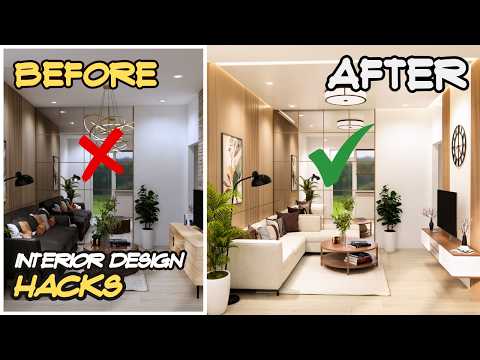
Decorating a small living room can feel like an overwhelming challenge, but it is one of the most rewarding design projects you can tackle. When square footage is limited, every furniture choice, color decision, and layout adjustment carries enormous weight. A cramped, cluttered living space doesn’t just look unattractive — it affects your mood, comfort, and daily routine. The good news is that smart design principles can transform even the most compact living room into a stylish, functional, and welcoming space. Whether you are working with a studio apartment living room, a narrow urban flat, or a cozy den, the strategies in this guide will help you maximize every inch without sacrificing style or personality.
Why Small Living Rooms Deserve Strategic Design
Many homeowners and renters make the mistake of treating small living rooms as an afterthought. They default to downsizing everything or avoiding bold design choices altogether. The result is often a room that feels sterile, cramped, and underwhelming. Small space living room decoration is not about making do with less — it is about making every element work harder and smarter. A well-designed compact living room can feel just as inviting and visually rich as a larger one, sometimes even more so. The key lies in intentional planning, proportionate furniture selection, and clever use of light, color, and storage.
The Common Mistakes People Make in Compact Living Rooms

Before diving into solutions, it helps to understand what goes wrong. Here are the most frequent pitfalls when decorating small living rooms:
- Choosing oversized furniture that dominates the floor plan
- Using only one light source, creating dark corners
- Ignoring vertical space and wall area for storage and display
- Overcrowding the room with too many decorative items
- Selecting dark, heavy color schemes that absorb light
- Placing all furniture against the walls, which can actually make the room feel smaller
Avoiding these mistakes gives you a solid foundation for the strategies that follow.
Best Furniture Choices for Decorating Small Living Rooms
Furniture selection is the single most impactful decision when you are designing a small living room interior. The pieces you choose determine the flow, functionality, and visual weight of the entire space. Prioritize items that serve multiple purposes, offer clean lines, and sit at a proportionate scale.
Space-Saving Furniture You Need to Know
Modern furniture design has responded brilliantly to the demand for compact living solutions. Here are the top furniture types that work exceptionally well in small living rooms:
- Sofa beds and sleeper sofas — These pull double duty as daily seating and overnight guest accommodation, eliminating the need for a dedicated guest room.
- Ottomans with storage — A storage ottoman functions as a coffee table, extra seating, and a hidden compartment for blankets, magazines, or remotes.
- Wall-mounted drop-leaf tables — These fold flat against the wall when not in use, freeing up valuable floor space instantly.
- Nesting side tables — A set of two or three small tables that tuck together when you need less surface area and separate when you need more.
- Low-profile armchairs — Chairs with slim arms and exposed legs create a sense of openness because you can see more of the floor beneath them.
- Floating shelves — These replace bulky bookcases and keep the floor clear while providing display and storage space.
When shopping for compact living room furniture ideas, always measure your room dimensions first and sketch a simple floor plan. This prevents the costly and frustrating mistake of buying furniture that does not fit.
Color Palettes and Lighting Strategies
Color and light are the two most powerful tools in a small space decorator’s toolkit. Used correctly, they can make a tiny living room feel expansive, airy, and warm simultaneously.
How Paint Colors Affect Perceived Space
Light and neutral tones — soft whites, warm creams, pale grays, and muted pastels — reflect natural light and make walls appear to recede. This creates an illusion of more space. If you want to add depth without shrinking the room visually, consider using a slightly darker accent color on a single wall or through furniture and textiles. Avoid painting all four walls in a dark shade, as this absorbs light and makes the room feel cave-like.
Layered Lighting for Small Living Rooms
Relying solely on a single overhead fixture is one of the fastest ways to make a small room feel flat and uninviting. Instead, layer your lighting:
- Ambient lighting: A soft pendant light or flush-mount ceiling fixture provides general illumination.
- Task lighting: A floor lamp next to a reading chair or a table lamp on a console table adds functional brightness where you need it.
- Accent lighting: LED strip lights behind shelves or a picture light above artwork adds depth and visual interest.
Natural light is equally critical. Keep windows unobstructed by heavy curtains and opt for sheer or lightweight blinds that let sunlight flood in while maintaining privacy.
Layout and Arrangement Tips That Actually Work
Furniture arrangement in a small living room is not about pushing everything against the walls — that is a common myth that actually makes rooms feel narrower. Instead, try pulling key pieces slightly inward to create a conversation zone in the center of the room. This gives the illusion of a defined living area within a compact footprint.
Use a floating furniture layout where the sofa and chairs do not touch the walls. This opens pathways and makes the room feel intentional rather than cramped. For rooms with irregular shapes, try angling a furniture piece diagonally to draw the eye across the space and create a sense of flow.
Always maintain clear walkways of at least 30 inches between furniture pieces. Anything narrower feels obstructed and uncomfortable. Consider using a tape measure on the floor before committing to a permanent arrangement.
Storage Solutions That Double as Decor
Clutter is the number one enemy of a small living room. Without adequate storage, even a beautifully designed compact space quickly looks messy and chaotic. The solution is to integrate storage into your decor itself.
Built-in shelves along the longest wall provide generous storage without consuming precious floor space. A console table with drawers behind the sofa offers a hidden catchall for remote controls, charging cables, and coasters. Baskets placed on open shelves corral smaller items while adding texture and warmth to the room. Even your coffee table can become a storage piece if you choose one with a lift-top or lower shelf.
The guiding principle for small space living room decoration storage is simple: if an item does not serve both a functional and aesthetic purpose, find a way to hide it or remove it entirely.
Comparison Table: Small Living Room vs. Large Living Room Approaches
| Design Element | Small Living Room Strategy | Large Living Room Strategy |
| Furniture Scale | Low-profile, slim-armed, proportional pieces | Generous sectional sofas, oversized armchairs |
| Color Palette | Light, reflective tones to expand perceived space | Bold colors and deep tones work well |
| Lighting | Layered, multiple sources to avoid dark spots | Statement chandeliers and floor lamps |
| Floor Coverage | One area rug to anchor the seating zone | Multiple rugs to define separate zones |
| Storage | Multipurpose furniture with hidden storage | Dedicated shelving units and cabinets |
| Wall Treatment | Mirrors and light paint to reflect light | Gallery walls, textured wallpaper, bold accent walls |
This table illustrates how fundamentally the approach to living room decoration changes based on available square footage. What works in a large open-plan living room can actually undermine a small one, and vice versa.
Advanced Tips for Maximum Impact in Minimal Square Footage
If you have mastered the basics and want to take your small living room makeover to the next level, consider these advanced strategies:
- Use mirrors strategically. Placing a large mirror opposite a window reflects natural light and creates a convincing illusion of depth. This is one of the oldest and most effective small-space tricks in interior design.
- Embrace verticality. Draw the eye upward with tall shelving units, vertical striped curtains, or artwork hung at eye level and above. This technique makes ceilings feel higher and walls feel wider.
- Choose furniture with exposed legs. Pieces that sit on visible legs allow light to pass underneath, reducing the visual bulk and making the floor feel more expansive.
- Stick to a cohesive design style. Mixing too many styles, patterns, and eras in a small room creates visual noise. A unified aesthetic — whether it is Scandinavian minimalism, modern farmhouse, or mid-century modern — creates a sense of calm order.
- Use rugs to define zones. In open-plan studio apartments, a well-placed rug signals that a particular area is the living room, creating psychological boundaries without building walls.
Conclusion
Decorating a small living room is not about settling for less — it is about designing with greater intention. From selecting the right space-saving living room furniture to layering light, choosing a smart color palette, and integrating storage into your decor, every decision matters. The most successful small living rooms share one thing in common: they feel curated, not crowded. By applying the strategies and expert tips outlined in this guide, you can create a compact living room that looks and feels bigger, brighter, and more inviting than you ever thought possible. Start with one or two changes today, and watch your small space transform into your home’s most welcoming room.
Frequently Asked Questions
What is the best furniture for a small living room?
The best furniture for a small living room includes low-profile sofas with exposed legs, storage ottomans, nesting side tables, and wall-mounted drop-leaf desks. These pieces save floor space while still providing comfort and function. Always prioritize items with clean lines and a lightweight visual presence to keep the room from feeling weighed down.
What colors make a small living room look bigger?
Light and reflective colors like soft white, warm cream, pale gray, and soft pastels make a small living room appear larger by bouncing natural light around the space. For added depth, pair a light neutral palette with one or two accent colors through throw pillows, artwork, or a feature wall. Avoid painting all four walls in a dark shade, which absorbs light and shrinks the perceived space.
How do you decorate a small living room without making it feel cramped?

To avoid a cramped feeling, use a floating furniture layout that keeps pieces slightly away from the walls, maintain at least 30 inches of clear walkway space, choose furniture with exposed legs to show the floor underneath, and incorporate mirrors to reflect light and create depth. Limiting decorative items and keeping surfaces clear also plays a crucial role in maintaining an open feel.
What are the best lighting tips for a small living room?
The best lighting approach for a small living room is layered lighting: combine ambient light from a ceiling fixture, task light from a floor or table lamp, and accent light from LED strips or picture lights. This eliminates harsh shadows and dark corners that make small rooms feel smaller. Additionally, keeping window treatments sheer and lightweight maximizes natural daylight throughout the day.
How can I add storage to a small living room without cluttering it?
Choose furniture that doubles as storage — ottomans with hollow interiors, coffee tables with lift-tops or lower shelves, and console tables with deep drawers. Install floating shelves on the walls for books and decor, and use decorative baskets on open shelving to corral smaller items. The key is to assign every item a hidden or designated home so visible surfaces stay clean and uncluttered.