


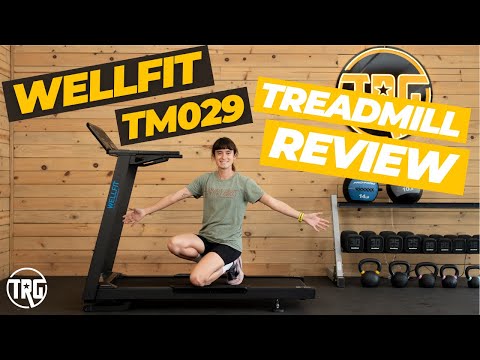
Finding the best treadmill for small spaces has become a top priority for home fitness enthusiasts who live in apartments, condos, or modest-sized homes where every square foot counts. The good news is that the fitness equipment industry has responded with an impressive range of compact treadmills, folding treadmills, and even under-desk walking pads that deliver genuine workout value without overwhelming your living area. Whether you are a beginner just starting your fitness journey or a seasoned runner looking for a space-efficient solution, this guide breaks down everything you need to know — from motor specifications and cushioning technology to real-world product comparisons and expert buying tips. Let us dive deep into what makes a treadmill truly suitable for tight spaces and which models deserve a spot on your shortlist.

Why Finding the Right Treadmill for Small Spaces Matters
More people than ever are working out at home. Remote work, busy schedules, and the rising cost of gym memberships have driven demand for home fitness equipment. However, not everyone has a dedicated home gym with plenty of floor space. A full-sized commercial treadmill can be bulky, intimidating, and practically impossible to tuck away after a workout. Choosing an oversized machine for a compact area leads to frustration, clutter, and even safety hazards from tripping over equipment. The right space-saving treadmill solves all of these problems by combining portability, performance, and smart design. Beyond convenience, using a treadmill that fits your environment encourages consistency — you are far more likely to stick with a routine when your equipment feels accessible rather than like an obstacle.
Key Features to Look for in a Compact Treadmill
Not all small treadmills are created equal. Before spending your money, you need to understand which features genuinely matter when evaluating equipment designed for limited spaces. Here are the critical factors that separate a great compact treadmill from a mediocre one.
Foldable and Fold-Flat Design
A foldable treadmill is the gold standard for small-space fitness. These machines feature a vertical folding mechanism that reduces the footprint dramatically when not in use. Some models can be stored upright against a wall, while others slide neatly under a bed or sofa. Look for hydraulic or spring-assisted lifts that make folding effortless — you do not want to wrestle with a heavy deck just to reclaim your floor space. The best folding treadmills also include transport wheels so you can roll the unit into a closet or corner with minimal effort.
Motor Power and Performance
Compact does not have to mean underpowered. For walking and light jogging, a motor in the 2.0 to 2.5 CHP (continuous horsepower) range is more than adequate. Runners who plan to sustain speeds above 7 mph should target a motor rated at 3.0 CHP or higher. Keep in mind that peak horsepower numbers are often inflated by manufacturers — always look for the continuous horsepower rating, which reflects real-world sustained performance. A quiet, brushless motor is also a significant advantage in apartment settings where noise complaints from neighbors can become a real issue.
Cushioning and Joint Impact
One complaint frequently voiced about compact treadmills is that their running decks feel harder than full-sized models. Modern compact treadmills address this with advanced cushioning systems — multi-zone shock absorption, raised ribs on the deck surface, and flexible side rails all contribute to a more joint-friendly experience. If you have knee or ankle concerns, prioritize models with explicitly advertised low-impact technology. This is especially important for beginners who are still building cardiovascular fitness and for older adults who need to protect their joints during daily exercise.
Dimensions and Weight Capacity
Pay close attention to the treadmill’s assembled dimensions and its folded dimensions. A machine that measures 48 inches long when assembled may not fit in your designated spot. Similarly, weight capacity matters — if you weigh over 250 pounds, you need a sturdy frame that will not flex or wobble at higher speeds. Most compact treadmills accommodate users between 250 and 350 pounds, but there are models rated for even higher loads if needed.
Built-In Programs and Connectivity
Modern compact treadmills often include Bluetooth connectivity, app integration, and pre-set workout programs that adjust speed and incline automatically. While these features do not directly affect the machine’s physical footprint, they enhance the user experience and make workouts more engaging. Look for compatibility with popular fitness apps like Peloton, Zwift, or the manufacturer’s proprietary platform.
Best Treadmills for Small Spaces: A Detailed Comparison
Below is a comparison table featuring some of the most highly regarded compact treadmills available. Each model was selected based on its combination of space efficiency, motor quality, cushioning, user capacity, and overall value.
| Model | Foldable | Motor (CHP) | Max Speed | Weight Capacity | Folded Dimensions | Best For |
| Sole F63 | Yes | 2.5 | 12 mph | 350 lbs | 23″ x 35″ x 43″ | Runners in tight spaces |
| Horizon T101 | Yes | 2.5 | 10 mph | 300 lbs | 23.6″ x 35″ x 44.5″ | Beginners and walkers |
| NordicTrack T Series | Yes | 2.5 | 12 mph | 300 lbs | 21.5″ x 38″ x 43″ | Interactive workout fans |
| XTERRA TR150 | Yes | 2.0 | 10 mph | 250 lbs | 19″ x 37″ x 43″ | Budget-conscious buyers |
| WalkingPad C2 Pro | Yes | 1.5 | 6 mph | 265 lbs | Folds nearly flat | Walking and light cardio |
Each of these models excels in its own category. The Sole F63 offers the best balance of power and compactness for serious runners. The Horizon T101 is a reliable, no-frills option ideal for beginners. The NordicTrack T Series stands out for its iFIT integration, which provides guided workouts on a large touchscreen. The XTERRA TR150 delivers solid value at a budget-friendly price point. The WalkingPad C2 Pro is a unique choice for those who prefer low-intensity walking sessions and need something that virtually disappears when folded.
Beginner’s Guide to Choosing a Space-Saving Treadmill
If you are new to home fitness, the sheer number of compact treadmill options can feel overwhelming. Start by defining your primary workout style. Are you planning to walk, jog, or run? Your answer determines the minimum motor power and deck length you need. Walkers can get by with a shorter deck (around 40 inches) and a motor rated at 2.0 CHP. Joggers should look for decks of at least 44 inches and motors in the 2.5 CHP range. Runners need longer decks (50 inches or more) and more powerful motors, though this becomes harder to achieve in truly compact designs.
Here is a simple numbered list to guide your first purchase decision:
- Measure your available space — both the floor area and the ceiling height if you plan to store the treadmill upright.
- Set a realistic budget — quality compact treadmills range from $400 to $1,200. Avoid models below $300 as they tend to have underpowered motors and poor cushioning.
- Read verified customer reviews — focus on reviews from verified buyers that mention long-term durability, not just first-impression unboxing experiences.
- Test the return policy — choose retailers that offer at least a 30-day return window so you can evaluate the treadmill in your actual living space.
- Prioritize safety features — look for an emergency stop clip, easy-access speed controls, and a wide belt to prevent accidental steps off the edge.
Intermediate and Advanced Considerations
Once you have mastered the basics, you will likely want more control over your training. Intermediate users should consider treadmills with adjustable incline settings — manual or motorized incline adds intensity without requiring more space. Some compact models offer incline ranges of up to 12 percent, which closely simulates outdoor hill running and dramatically increases calorie burn. Advanced users who train for specific events may want to look at treadmills with preset interval programs, Bluetooth heart rate monitoring, and the ability to upload custom workout plans. At this level, cushioning quality becomes paramount because higher speeds and longer durations put more stress on joints. Investing in a model with multi-zone shock absorption is not a luxury — it is a necessity for sustained training.
Under-Desk Treadmills and Walking Pads
An increasingly popular option for small spaces is the under-desk treadmill. These ultra-low-profile machines sit beneath a standing desk and allow you to walk while working. They typically feature speeds of 2 to 4 mph, which is perfect for light cardio, improving circulation, and burning extra calories throughout the day. While they will not replace a full running treadmill, under-desk models are exceptional for apartment dwellers who want to integrate movement into their daily routine without sacrificing any floor space. The WalkingPad A1 and the FlexiSpot Under Desk Treadmill are popular examples worth researching.
Expert Tips for Maximizing Your Small Space Workout Area
Owning a compact treadmill is only part of the equation. Here are professional-level tips to help you get the most out of your limited workout area:
- Designate a specific zone — even a 5 by 7-foot area with a non-slip mat underneath can create a safe and defined workout space that keeps the rest of your room feeling open.
- Use wall-mounted storage solutions — hooks, racks, or wall shelves near your treadmill area can hold resistance bands, foam rollers, and water bottles without eating into floor space.
- Layer your equipment — pair your treadmill with a foldable weight bench or adjustable dumbbells that share the same footprint, creating a mini multi-use gym.
- Schedule workouts strategically — using your treadmill during quieter hours in your apartment building reduces noise concerns and helps maintain good relationships with neighbors.
- Keep maintenance current — lubricate the belt every three to six months and inspect the motor and frame regularly. A well-maintained compact treadmill lasts significantly longer and performs more smoothly.
Frequently Asked Questions (FAQs)

What is the best treadmill for a small apartment that still allows running?
The Sole F63 is widely recommended for apartment runners. It features a 2.5 CHP motor, a 12 mph top speed, and a compact folded footprint of just 23 by 35 inches. Its CushionFlex cushioning system reduces joint impact, and the fold-away design allows it to stand upright against a wall when not in use.
How much space do I actually need for a compact treadmill?
Most folding treadmills require roughly 3 feet by 7 feet of floor space for safe use, including clearance at the back for the running belt. When folded, many models occupy as little as 2 feet by 3 feet. Always check both the assembled and folded dimensions before purchasing to ensure the unit fits your specific room layout.
Are compact treadmills durable enough for daily use?
Yes, reputable brands like Sole, Horizon, and NordicTrack engineer their compact models for daily home use. Look for steel frame construction, belt-and-deck assemblies rated for thousands of miles, and motors with built-in thermal overload protection. Reading long-term user reviews is the best way to confirm real-world durability before buying.
Can I use a folding treadmill for walking if I am a beginner?
Absolutely. Folding treadmills are excellent for beginners. Models with a 2.0 to 2.5 CHP motor and a top speed of at least 10 mph provide more than enough range for walking, brisk walking, and light jogging. Many also include dedicated walking programs with adjustable speeds and gentle inclines to help you progress safely.
What is the difference between a compact treadmill and an under-desk treadmill?
A compact treadmill is a full-featured running and walking machine designed to fold for storage while still offering a range of speeds suitable for running. An under-desk treadmill is specifically built for walking at low speeds (usually 2 to 4 mph) and is intended to fit beneath a desk or table. Under-desk models are lighter and narrower but lack the motor power and deck length needed for jogging or running.
How do I keep my compact treadmill quiet in an apartment setting?
To minimize noise, choose a treadmill with a brushless AC motor, which runs significantly quieter than older DC motor designs. Placing a thick rubber mat or carpet pad underneath the machine absorbs vibrations and reduces sound transmission through the floor. Walking or running on a slight incline at lower speeds also lowers motor strain and overall noise output.
Conclusion
Selecting the best treadmill for small spaces is a decision that directly impacts your daily fitness routine, your living environment, and your long-term motivation. By focusing on the right combination of motor power, foldable design, cushioning quality, and appropriate dimensions, you can find a machine that delivers a genuinely effective workout without consuming your entire room. Whether you gravitate toward a full-featured folding treadmill like the Sole F63, prefer an interactive model from NordicTrack, or want a budget-friendly option like the XTERRA TR150, the market today offers legitimate solutions for every body type, fitness level, and space constraint. Measure your space carefully, set a sensible budget, read real user reviews, and do not be afraid to test the return policy. The best treadmill for your small space is the one that fits your physical environment, supports your workout goals, and — most importantly — gets you moving consistently. That is the real measure of a great compact treadmill.