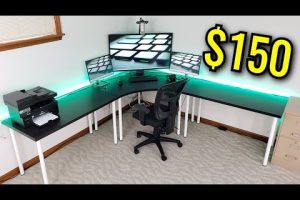
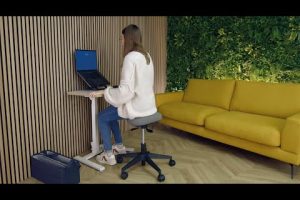
When every square foot counts, finding the right workspace can feel like solving a puzzle with missing pieces. A corner desk for small spaces solves that puzzle by turning the often-wasted corner of a room into a functional, efficient workstation. Whether you’re working from home, studying for exams, or building a freelance career in a compact apartment, these space-saving desks maximize productivity without overcrowding your living area. In this guide, we’ll dive deep into everything you need to know about choosing, setting up, and optimizing a corner desk for small spaces — from material comparisons and layout strategies to expert tips that transform cramped rooms into organized, inspiring work zones.
Why Corner Desks Are the Ultimate Small-Space Solution
A corner desk for small spaces isn’t just a piece of furniture — it’s a strategic design choice. Traditional rectangular desks demand a long, uninterrupted wall, which many compact apartments simply don’t have. Corner desks, on the other hand, nestle into two adjacent walls, freeing up floor space in the center of the room. This L-shaped footprint creates a sense of openness while still offering a generous work surface. Research in interior design consistently shows that angular furniture arrangements improve room flow and reduce the feeling of claustrophobia in small rooms.
The benefits extend beyond aesthetics:
- Maximized floor area: By utilizing the corner, you reclaim the center of the room for movement or additional furniture.
- Built-in organization: The two-wall design allows shelving, drawers, and cable management to run along both sides simultaneously.
- Natural ergonomic positioning: Facing into a corner encourages a focused posture, reducing the temptation to turn toward distractions like a TV or bed.
- Visual expansion: A well-chosen small-space corner desk keeps sightlines open, making the room appear larger than it is.
- Dual-purpose functionality: One wall can hold office supplies while the other supports a monitor, keyboard, and workspace essentials.
Types of Corner Desks Designed for Small Spaces
Not all corner desks are created equal. The market offers several distinct styles, each suited to different room sizes, budgets, and work habits. Understanding these variations helps you make an informed decision before purchasing.
L-Shaped Corner Desks
The L-shaped corner desk is the most popular option for small spaces because it offers the largest surface area relative to its footprint. These desks typically feature a longer main section and a shorter return section, creating a natural division between your computer setup and a writing or storage area. Look for models with a compact return (around 24–30 inches) to keep the desk from overwhelming the room.
Compact Corner Writing Desks
If you need a minimalist setup — just enough space for a laptop, notebook, and lamp — a compact corner writing desk is ideal. These desks typically range from 30 to 48 inches along each edge, making them perfect for studio apartments or bedroom corners where every inch matters.
Corner Computer Desks with Shelving
For those who need integrated storage, corner computer desks come with built-in shelves, cubbies, or overhead cabinets above the workspace. These designs keep the floor clear and provide a place for printers, books, and office supplies without requiring a separate bookshelf.
Foldable and Wall-Mounted Corner Desks
The most space-efficient option, foldable corner desks fold flat against the wall when not in use. Some models feature hinged tops that drop down to create a work surface and fold back up when you’re done. These are excellent for multi-purpose rooms where the desk doubles as a vanity or craft station.
Key Features to Look For in a Corner Desk for Small Spaces
Not every corner desk delivers the same value. Here are the features that matter most when shopping for a small-space setup:
- Adjustable height options: Sit-stand desks with corner configurations let you alternate between sitting and standing throughout the day, improving posture and energy levels.
- Cable management systems: Grommets, under-desk trays, and routed cable channels prevent tangled cords from cluttering your small workspace.
- Durability of materials: The desk should withstand daily use without wobbling or showing wear quickly, especially in tight quarters where stability is critical.
- Dimensions that match your corner: Measure your corner before buying. Standard corner desks range from 47 to 59 inches per side, but custom sizes exist for unusually tight angles.
- Color and finish versatility: Light-colored desks (white, light oak, or bamboo) reflect light and make small rooms feel airier, while darker finishes add a sophisticated, grounded feel.
- Assembly simplicity: In a small space, you don’t want a furniture project that takes three hours and produces leftover parts.
Materials Comparison for Small-Space Corner Desks
The material you choose affects durability, weight, aesthetics, and price. The table below compares the most common materials used in corner desks designed for small rooms.
| Material | Durability | Weight | Price Range | Best For |
| Engineered Wood (MDF) | High | Medium | $80–$200 | Budget-friendly, scratch-resistant desks |
| Plywood | Very High | Medium-Heavy | $120–$300 | Long-lasting workstations with heavy equipment |
| Solid Wood | Excellent | Heavy | $250–$600+ | Premium, heirloom-quality setups |
| Metal Frame with Glass Top | Moderate | Light | $100–$250 | Modern aesthetics, easy to move |
| Bamboo | High | Light | $90–$220 | Eco-conscious buyers, warm natural look |
| Laminate over Particle Board | Moderate | Light | $50–$150 | Renters, temporary setups, tight budgets |
For most small-space applications, engineered wood and bamboo offer the best balance of affordability, strength, and visual appeal. Solid wood is worth the investment if you plan to keep the desk for years, but its weight can make repositioning difficult in compact rooms.
Expert Tips for Arranging a Corner Desk in a Small Room
Placing your corner desk is only half the battle. How you arrange the surrounding area determines whether your small workspace feels open and functional or cluttered and restrictive.
1. Prioritize Lighting Placement
Position your corner desk so that natural light enters from one of the two walls the desk occupies. Placing a desk perpendicular to a window creates glare on screens. If natural light isn’t an option, invest in a high-CRI LED desk lamp that illuminates the workspace without casting shadows on the keyboard.
2. Use Vertical Storage

In a small room, floor space is sacred. Mount shelves above the desk, use wall-mounted file holders, and choose a desk with vertical storage compartments. This draws the eye upward and keeps the floor area open.
3. Choose a Desk with a Return Section

The return — the shorter second arm of an L-shaped desk — is where you can store peripherals, notebooks, or a second monitor. Without it, the corner feels incomplete and the smaller wall space goes to waste.

4. Maintain Clear Pathways
Leave at least 30 inches of clearance in front of the desk and 24 inches on the open side for comfortable chair movement. This prevents the room from feeling like a traffic jam and keeps the workspace ergonomic.
5. Match the Desk to Your Room’s Scale
A massive corner desk in a tiny room creates the opposite effect of what you want. Measure your corner’s dimensions and choose a desk that occupies no more than 60% of the available wall space on each side.
Frequently Asked Questions
What is the best corner desk size for a small apartment?
The ideal corner desk for a small apartment measures between 47 and 55 inches along each side, with a desk height of approximately 29 to 30 inches. This size provides enough surface area for a computer, monitor, and basic supplies without overwhelming the room. If your apartment is under 400 square feet, consider a compact model with 36-inch sides or a foldable design that folds flat against the wall.
How do I make a corner desk setup feel less cramped?
Use light colors on both the desk and surrounding walls to reflect natural light. Choose a desk with open legs or a minimalist frame to maintain visual airflow. Add a single shelf above the desk rather than bulky side cabinets, and keep the desktop surface at least 60% clear of items. A small rug underneath the desk and chair can also visually define the workspace and prevent it from bleeding into the rest of the room.
Can a corner desk fit in a room with an unusual angle?
Yes, but you need to measure carefully. Most corner desks assume a 90-degree angle. If your room has an obtuse or acute corner (common in older homes or lofts), you may need a custom-sized desk or a curved corner model. Some manufacturers offer adjustable corner brackets that accommodate angles between 80 and 110 degrees.
Are foldable corner desks sturdy enough for daily use?
Modern foldable corner desks have come a long way. High-quality models feature reinforced hinges, steel frames, and thick tabletop materials that rival fixed desks in stability. Look for foldable options rated for at least 50 pounds of weight capacity, which handles most laptop, monitor, and accessory setups comfortably. Avoid ultra-cheap models with thin particleboard and plastic hinges, as these tend to wobble and break down within months.
What color corner desk works best in a small space?
White, light wood tones, and soft gray are the best colors for small spaces because they reflect light and create an illusion of openness. Darker colors like walnut or charcoal absorb light and can make a small room feel smaller, though they work well in rooms with ample artificial lighting and larger square footage. If you want a pop of color, choose a desk with one accent-colored detail rather than painting the entire surface.
Should I choose an L-shaped corner desk or a triangular corner desk?
L-shaped corner desks are generally more versatile because the two equal-length sides provide balanced workspace on both arms. Triangular desks save even more floor space but offer less surface area, making them better suited for ultra-compact rooms where only a laptop and notebook are needed. If you use dual monitors or a full keyboard-and-mouse setup, the L-shaped configuration is the clear winner for functionality.
Conclusion
A well-chosen corner desk for small spaces transforms an underutilized corner into your most productive room. By understanding the different types, materials, and layout strategies, you can create a workspace that feels spacious, organized, and inspiring — regardless of how limited your square footage may be. Prioritize features like adjustable height, cable management, and vertical storage, and don’t underestimate the power of color and lighting in shaping how a small room feels. The right corner desk doesn’t just save space; it redefines what’s possible in a compact home environment, proving that great workstations don’t require great square footage — just smart design choices.