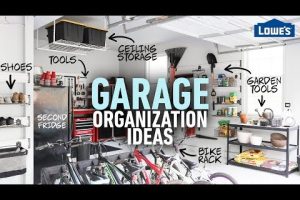
Most people underestimate how much mental energy gets wasted every single day on searching for misplaced items, scrambling to meet deadlines, or simply trying to remember what needs to be done next. The truth is, a disorganized life doesn’t just cost you time — it quietly drains your focus, raises stress hormones, and makes even simple decisions feel overwhelming. That’s exactly where hacks organization comes into the picture. Whether you’re a student juggling coursework, a remote worker managing a chaotic home office, or a parent trying to keep an entire household running smoothly, the right set of systems and shortcuts can transform your daily routine from reactive to intentional.
In this guide, we’re going deep into what organization hacks really are, why they work, and — most importantly — how you can implement them step by step. This isn’t another generic listicle telling you to “just use a planner.” We’re covering beginner-friendly foundations, intermediate systems that create compound results, and advanced strategies that top productivity coaches actually use with their clients. By the end, you’ll have a complete toolkit for building an organized life that sticks.
What Is Hacks Organization and Why Does It Matter?
Hacks organization refers to the strategic use of clever, often minimal-effort systems, habits, and tools designed to bring order to chaos. These aren’t just quick fixes — they’re intentional shortcuts that leverage how your brain actually works, not how you wish it would work. The concept draws from behavioral science, minimalism, and systems thinking to help you spend less energy on maintenance and more energy on what actually matters.
The Science Behind Getting Organized
Research from Princeton Neuroscience Institute shows that clutter competes for your attention and reduces cognitive performance. When your environment is organized, your working memory is freed up. Organization hacks work because they reduce decision fatigue — instead of making dozens of small “where does this go?” decisions every day, you build automatic systems that handle the sorting for you.
Here’s why mastering organization hacks pays off on multiple levels:
- Time savings: The average person spends 55 minutes per day looking for things they’ve misplaced.
- Reduced stress: A structured environment lowers cortisol and creates a sense of control.
- Better decisions: When you’re not mentally drained by disorganization, you make sharper choices.
- Increased momentum: Small wins in organization create a positive feedback loop that fuels productivity.
Beginner Organization Hacks: Start Where You Are
If you’ve never built a system around organization, diving into complex frameworks like GTD (Getting Things Done) or bullet journaling can feel overwhelming. Start with these foundational hacks for organization that require almost zero setup time.
The Two-Minute Rule
This classic productivity principle is deceptively powerful. If a task takes less than two minutes, do it immediately. This prevents small tasks from piling up and becoming an overwhelming backlog. It works incredibly well for email replies, putting dishes in the dishwasher, filing documents, and quick tidying sessions.
The Designated Landing Zone
Pick one spot near your entryway — a small shelf, a hook, or a bowl — and make it the single home for your keys, wallet, and sunglasses. This one simple organization hack eliminates the most common daily frustration: losing things right when you need them most.
Weekly Reset Ritual
Set a 15-minute timer every Sunday evening. Walk through your main living spaces and return everything to its assigned place. This isn’t deep cleaning — it’s just a reset that ensures your environment stays functional throughout the week.
Quick Wins to Build the Habit
- Clear your desk before leaving work each evening.
- Put all items back in their home immediately after using them.
- Delete or archive emails the moment you’ve handled them.
- Lay out tomorrow’s clothes and bag before bed.
- Keep a single inbox tray for incoming paper — process it daily.
Intermediate Organization Hacks: Building Systems That Scale
Once you’ve established basic habits, it’s time to layer in systems that handle complexity. These intermediate organization hacks are where most people experience a breakthrough in how productive and calm their daily life feels.
Time Blocking for Daily Structure
Instead of working from a to-do list, divide your day into blocks of time dedicated to specific categories of work or life tasks. For example, block 8–10 AM for deep work, 10–11 AM for emails and communication, 11–12 PM for meetings or calls. This productivity hack eliminates the endless decision-making of “what should I work on next?”
The Folder Architecture Method
Whether you’re organizing digital files or physical documents, create a simple folder structure that mirrors how you actually think about your projects. A recommended setup includes: 1 — Inbox (temporary holding), 2 — Active Projects, 3 — References, 4 — Archive. This prevents the chaos of dumping everything into one folder or desk pile.
Batch Processing
Group similar tasks together and handle them in one dedicated session. Checking and responding to emails, making phone calls, paying bills, and meal prepping all benefit from batching. This reduces context-switching, which studies show can cost you up to 40% of your productive time.
Advanced Organization Hacks for Experts
If you already have solid systems in place, these advanced strategies push your organization game to a level that most people never reach. They’re designed for people who want automation, systems thinking, and compound efficiency.
Building a Personal Operating System
Think of your organizational setup as software for your life. This means creating documented processes for recurring situations. For example, have a standard operating procedure for onboarding new clients, a weekly review template, and a system for capturing ideas that come to you randomly. Tools like Notion, Obsidian, or even a well-structured Google Drive can serve as your personal OS.
The Second-Order Habit Design
Don’t just build habits — design habits that make the next good habit easier. If you want to exercise every morning, lay out your workout clothes the night before and place your gym bag by the door. The organization hack here is designing your environment so that the desired behavior is the path of least resistance.

Quarterly Life Audits
Every three months, take half a day to audit your systems. What’s working? What’s broken? What’s become unnecessary? This prevents the slow drift back into disorganization that catches so many people off guard after initial progress fades.
Workspace Organization Hacks Compared
Not all organization strategies work the same way for every person or environment. The table below compares popular workspace organization methods so you can choose the one that fits your style.
| Method | Best For | Setup Time | Maintenance Level | Effectiveness |
| Kanban Board | Visual thinkers, project managers | Low | Medium | High |
| Zettelkasten | Researchers, writers, students | Medium | Medium | Very High |
| GTD (Getting Things Done) | Busy professionals, multitaskers | High | Low (once set up) | Very High |
| Minimalist Declutter | Overwhelmed beginners, minimalists | Low | High (needs daily effort) | Medium-High |
| Time Blocking | Professionals, entrepreneurs | Low | Low | High |
Pro Tips from Experts
After studying hundreds of highly organized individuals, a few patterns consistently emerge:
- Start before you feel ready. Perfect systems don’t exist — iterate as you go.
- Match your system to your personality. If you’re a visual person, color-coded labels and boards will work better than a plain spreadsheet.
- Less tools, more consistency. Using five different apps to stay organized defeats the purpose. Pick one or two and master them.
- Set up “if-then” rules. For example, “If I get a new document, it goes into the Inbox folder immediately.” Automation reduces friction.
- Forgive yourself for lapses. Organization is a practice, not a permanent state. One messy day doesn’t erase your progress.
Conclusion
Hacks organization isn’t about perfection or rigid control — it’s about building an environment and set of routines that serve you effortlessly. Whether you started with the two-minute rule this morning or you’re ready to implement a full personal operating system, the key is consistency over intensity. Small, repeated actions compound into transformational change. Pick two or three strategies from this article, commit to them for thirty days, and watch how your daily life begins to feel lighter, faster, and more intentional.
The best organization system is the one you’ll actually use. So start simple, build momentum, and let your systems evolve with your life.
Frequently Asked Questions
1. What are the best organization hacks for small apartments?
In small spaces, vertical storage, under-bed containers, and multi-functional furniture are your best friends. The one-in-one-out rule — where you remove one item every time you bring something new in — prevents clutter from accumulating in the first place. Wall-mounted shelves and magnetic strips for kitchen tools also free up valuable counter space.
2. How do I stay motivated to keep my life organized long-term?
Motivation fades, but systems don’t. The key is designing organization hacks that are so simple and frictionless that they become automatic. Pair your new habits with existing routines — a technique called habit stacking. For example, after you pour your morning coffee, spend two minutes resetting your workspace.
3. What is the easiest daily organization habit to start with?
The single most effective daily habit is the end-of-day reset. Spend five minutes before bed putting everything back in its place, writing tomorrow’s top three priorities, and clearing your digital desktop. This one habit alone creates a compounding effect that makes every other organization strategy easier to maintain.
4. Can organization hacks really improve mental health?
Absolutely. Multiple studies have linked physical clutter with elevated cortisol levels, anxiety, and difficulty concentrating. When you implement consistent organization strategies, you create an external environment that supports your internal state. People who maintain organized spaces consistently report feeling more in control, more focused, and more emotionally balanced.
5. What’s the difference between a productivity hack and an organization hack?
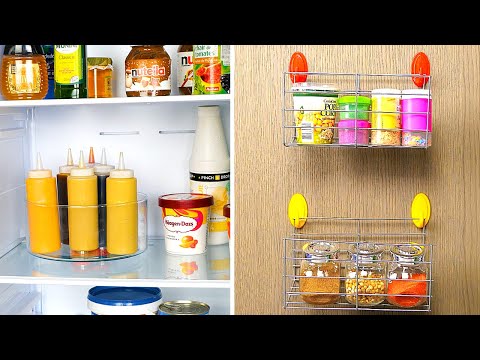
A productivity hack focuses on doing things faster or more efficiently, while an organization hack focuses on creating systems that make finding, storing, and managing things effortless. They overlap significantly, but the best approach combines both — organize your environment first, then optimize the workflows within it.
6. How long does it take for organization habits to become automatic?
Research from University College London suggests that habit formation takes anywhere from 18 to 254 days, with an average of about 66 days. The key factors are consistency, simplicity of the habit, and removing friction from the process. Start with one habit at a time and build from there rather than overhauling everything at once.