Bathroom design is one of the most impactful investments you can make in any home, whether you are renovating a compact powder room or planning a full master suite retreat. The right bathroom ideas blend functionality, aesthetics, and personal comfort into a space you actually look forward to using every single day. From selecting the perfect tile combination to deciding between a walk-in shower and a freestanding soaking tub, every detail matters when it comes to creating a bathroom that feels both beautiful and practical. In this comprehensive guide, we will walk you through proven bathroom design strategies, trending ideas, material choices, layout tips, and budget-conscious solutions that work for every skill level and style preference.
Understanding Modern Bathroom Design Trends for 2024 and Beyond
Today’s bathroom design ideas have evolved far beyond basic functionality. Homeowners now expect their bathrooms to serve as personal sanctuaries that reflect their taste while incorporating cutting-edge fixtures and smart technology. The biggest shifts in bathroom remodeling trends include minimalism with warmth, biophilic design elements, and spa-inspired layouts that prioritize relaxation and mental wellness.
When planning your bathroom renovation, consider these trending directions:
- Clean-lined minimalism — uncluttered surfaces, recessed storage, and neutral color schemes
- Biophilic bathrooms — integrating natural stone, indoor plants, and organic shapes
- Spa-inspired retreats — rainfall showers, heated floors, and soaking tubs as focal points
- Smart bathroom tech — touchless faucets, LED mirrors, and digital shower controls
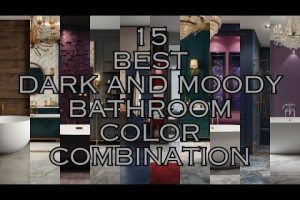
- Dark and moody palettes — deep greens, charcoal tones, and navy accents for dramatic depth
These trends are not just passing fads; they represent a fundamental shift toward treating the bathroom as a wellness space rather than a purely utilitarian room.
Small Bathroom Design Ideas That Maximize Every Inch
Limited square footage should never limit your design ambitions. Some of the most creative bathroom ideas emerge precisely because of spatial constraints. If you are working with a small bathroom, the key principles are visual expansion, strategic storage, and smart fixture selection.
Space-Saving Strategies
- Use large-format tiles — fewer grout lines create a seamless, expansive look on floors and walls
- Install a wall-mounted vanity — this frees up floor space and makes the room feel lighter
- Choose a sliding or pocket door — eliminates the swing radius that eats into precious floor area
- Incorporate a shower niche — built-in niches replace bulky shower caddies and keep surfaces clear
- Opt for a glass shower enclosure — transparent barriers maintain visual continuity and openness
Another powerful trick is to use large-scale mirrors and lighter color tones to bounce natural light around the room. Even a narrow window can be dramatically enhanced with sheer curtains and reflective surfaces.
Luxury Bathroom Design and Spa Concepts
If you are dreaming bigger, luxury bathroom design ideas focus on creating an immersive experience that rivals a high-end hotel or wellness resort. The goal is to combine premium materials, thoughtful lighting, and meticulous detailing into a cohesive environment.
Key elements of a luxury bathroom include:
- Freestanding soaking tubs — sculptural shapes in copper, marble, or composite materials
- Rainfall showerheads — oversized heads mounted from the ceiling for a full-body drenching experience
- Heated floors — radiant floor heating adds comfort and a sense of opulence
- Statement mirrors — backlit or oversized mirrors that serve as focal art pieces
- Premium finishes — matte black fixtures, brushed brass hardware, or polished chrome accents
The difference between a nice bathroom and a truly luxurious one often comes down to layered lighting. Combining ambient ceiling fixtures, task lighting around mirrors, and accent LED strips beneath vanities creates depth and atmosphere that transforms the entire room.
Choosing the Right Bathroom Color Palette and Materials
Your color and material decisions set the emotional tone of the entire space. When choosing a bathroom color scheme, think about the natural light available, the size of the room, and the mood you want to create.
Popular bathroom color combinations include:
- Soft whites and warm beiges — timeless, bright, and universally appealing
- Sage green and cream — calming and organic, perfect for spa-inspired interiors
- Navy and gold accents — bold yet sophisticated, adding depth and richness
- Charcoal and white — modern and dramatic, especially effective in larger bathrooms
For materials, the most durable and visually striking options include porcelain tile, natural marble, quartz countertops, and engineered stone. When comparing materials for wet areas, porcelain tile consistently outperforms ceramic in water absorption rates, scratch resistance, and long-term durability.
Bathroom Layout and Space Planning Essentials
A well-planned layout is the backbone of every successful bathroom renovation. Before you select fixtures or finishes, map out your wet zones, dry zones, and traffic flow. The golden rule is to maintain at least 30 inches of clearance in front of fixtures like toilets, vanities, and shower entry points.
Common bathroom layout configurations include:
- Three-quarter layout — toilet and sink separated from the shower/tub area by a partition
- Open-concept layout — all fixtures visible, best suited for larger bathrooms with proper ventilation
- Wet-room design — the entire floor is waterproofed, with the shower area open to the rest of the room
When planning your layout, always account for plumbing locations. Relocating a toilet or drain significantly increases project costs, so work within existing infrastructure whenever possible unless you are prepared for a major renovation budget.
Budget-Friendly Bathroom Renovation Ideas
You do not need a massive budget to achieve a stunning bathroom transformation. Strategic upgrades can deliver dramatic visual impact without breaking the bank.
| Budget Tier | Estimated Cost Range | Recommended Upgrades |
| Low Budget | $500 – $2,000 | Paint walls, replace hardware, update shower curtain, add new lighting |
| Mid Budget | $2,000 – $8,000 | Vanity replacement, new faucet, switch to porcelain tile, install LED mirror |
| High Budget | $8,000 – $25,000+ | Full fixture overhaul, custom tile work, heated floors, spa shower system |
Even the lowest budget tier can completely refresh a tired bathroom. A fresh coat of paint, modern cabinet hardware, and a statement light fixture can make the room feel brand new. The key is prioritizing changes that deliver the most visual return on investment.
Comparing Popular Bathroom Design Styles
Different design styles appeal to different personalities and lifestyle needs. Below is a comparison of the most popular bathroom design aesthetics to help you identify which direction fits your vision.

| Style | Key Characteristics | Best For | Common Materials |
| Modern Minimalist | Clean lines, monochrome palette, hidden storage | Small spaces, low-maintenance homeowners | Porcelain, glass, matte fixtures |
| Farmhouse | Shiplap, vessel sinks, vintage-inspired hardware | Cozy, warm aesthetics | Wood accents, subway tile, brushed nickel |
| Industrial | Exposed pipes, concrete, dark tones, metal accents | Urban lofts, bold design lovers | Concrete, reclaimed wood, black iron |
| Mediterranean | Arched details, mosaic tiles, warm terracotta | Sun-drenched, vacation-like feel | Ceramic mosaic, travertine, wrought iron |
Each style brings its own personality and charm, so choose the one that resonates most deeply with your personal taste and the overall aesthetic of your home.
Pro Tips from Bathroom Design Experts
Experienced designers and contractors consistently highlight these practical recommendations that separate a good bathroom from a great one:
- Ventilation is non-negotiable — install a powerful exhaust fan or ensure adequate window ventilation to prevent moisture damage and mold
- Waterproof everything — apply a quality waterproof membrane behind tile surfaces, especially in shower walls and floors
- Think about long-term maintenance — choose grout sealants, easy-clean fixtures, and materials that age gracefully
- Add accessible features early — even if you do not currently need them, grab bars and curbless showers add universal design value
- Layer your lighting — combine overhead, task, and accent lighting to create flexibility and ambiance
These expert tips apply whether you are tackling a weekend refresh or a full-scale remodel. They protect your investment and ensure your bathroom remains functional and beautiful for years to come.
Frequently Asked Questions About Bathroom Design Ideas
What are the best small bathroom design ideas for tight spaces?
The most effective small bathroom ideas include installing wall-mounted vanities to free up floor space, using large-format tiles to minimize grout lines, incorporating a glass shower enclosure for visual openness, and adding a large mirror to reflect light and create the illusion of more space. Light neutral color palettes and recessed lighting also help make compact bathrooms feel significantly larger.
How do I choose the right bathroom layout for my floor plan?
Start by identifying the location of existing plumbing lines, since relocating drains and water supply lines adds substantial cost. Next, determine your priority fixtures — most homeowners want the shower or tub first, followed by the vanity and toilet. The three-quarter layout works well for most standard bathrooms, while wet-room designs suit larger open spaces where you want a seamless, spa-like flow.

What bathroom materials are most durable for high-moisture environments?
Porcelain tile is widely regarded as the most durable option for wet areas due to its extremely low water absorption rate. Natural stone like marble and granite offers stunning beauty but requires regular sealing and maintenance. Engineered quartz and solid surface materials are excellent for vanity tops because they resist moisture, staining, and scratching far better than natural stone alternatives.
How can I create a spa-like bathroom on a budget?
You do not need a luxury budget to achieve a spa-like atmosphere. Focus on soft ambient lighting with dimmable fixtures, add natural textures like bamboo or teak accents, use calming earth-tone paint colors, and invest in plush towels and a quality showerhead. A rainfall shower attachment, a potted plant, and a few candles can completely transform the feel of any bathroom.
What bathroom design trends are expected to dominate in 2025?
Looking ahead, the strongest bathroom design trends for 2025 include bio-happy design with living green walls and organic materials, ultra-large walk-in showers replacing traditional tubs in primary bathrooms, matte black and brushed bronze fixture finishes, smart mirrors with built-in lighting and defogging technology, and universal design principles that make bathrooms accessible and aging-in-place friendly without sacrificing style.
Conclusion
Bathroom design is equal parts art and science, requiring a careful balance of aesthetics, functionality, and practical planning. Whether you are working with a tiny half-bath or a spacious master suite, the ideas and strategies outlined in this guide can help you create a space that is not only visually stunning but also deeply functional and enjoyable to use every day. Start by identifying your priorities, set a realistic budget, and build your bathroom design around the materials, colors, and fixtures that best serve your lifestyle. With thoughtful planning and a creative eye, your bathroom can become the most rejuvenating room in your entire home.