When you think about transforming your backyard into a true extension of your home, element outdoor living is the concept that ties everything together. It goes far beyond simply placing a few patio chairs on your deck. Element outdoor living is a holistic design philosophy that blends architecture, landscaping, furniture, and technology to create outdoor spaces that feel as intentional and functional as the rooms inside your house. Whether you are a homeowner just starting to explore outdoor design or a seasoned DIYer looking to elevate an existing setup, this guide covers everything you need to know about building, styling, and maintaining an exceptional outdoor living environment.
What Is Element Outdoor Living and Why Does It Matter?
Element outdoor living refers to the practice of designing outdoor spaces around the fundamental building blocks — or elements — of nature, architecture, and human comfort. These elements include earth, water, fire, air, and space, but the concept has evolved to encompass modern materials, smart technology, and sustainable design principles. The goal is to craft an area where you can cook, entertain, relax, and connect with nature without sacrificing the comforts you expect indoors.
The importance of outdoor living has surged in recent years. Homeowners increasingly recognize that well-designed exterior spaces add significant property value, improve mental health, and extend the usable square footage of a home. A thoughtfully planned element outdoor living area can increase home resale value by up to 15 percent, according to real estate industry reports.
Core Elements of an Outdoor Living Space
Every successful outdoor living area is built on several foundational components. Understanding these elements helps you prioritize your budget and design decisions.
Hardscaping Foundations
Hardscaping forms the structural backbone of any element outdoor living project. This includes patios, walkways, retaining walls, fire pits, and pergolas. Materials like natural stone, concrete pavers, and composite decking set the tone for the entire space. When selecting hardscape materials, consider factors such as climate resistance, slip resistance, and how well the material complements your home’s exterior.
- Natural Stone: Offers timeless aesthetics and exceptional durability
- Concrete Pavers: Versatile and cost-effective with endless pattern options
- Composite Decking: Low-maintenance alternative to traditional wood
- Brick and Tile: Adds warmth and classic character
Outdoor Furniture and Comfort
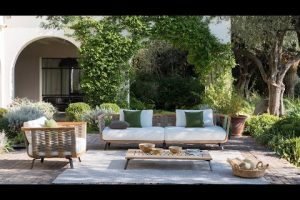
Furniture is where function meets personality in your outdoor space. The right seating, dining, and lounging options determine how frequently you actually use your backyard. When furnishing an element outdoor living area, prioritize weather-resistant fabrics, ergonomic designs, and modular arrangements that adapt to different occasions.
- Start with a durable dining set for outdoor entertaining
- Add lounge chairs or a sectioned sofa for relaxation zones
- Incorporate accent pieces like outdoor ottomans or side tables
- Layer in outdoor rugs and throw pillows for visual warmth

Lighting and Ambiance
Lighting transforms an ordinary backyard into a magical evening retreat. String lights, landscape spotlights, pathway LEDs, and fire features all contribute to the atmosphere of your element outdoor living space. Smart lighting systems allow you to adjust brightness and color temperature from your phone, creating the perfect mood for any occasion.

Planning Your Element Outdoor Living Design
Before purchasing a single piece of furniture or pouring a concrete slab, you need a solid plan. Great outdoor design follows the same principles as interior design — spatial flow, focal points, and cohesive style.
Start by assessing your available space and identifying how you want to use it. Do you want a dedicated grilling station? A tranquil garden retreat? A multi-zone space that accommodates dining, lounging, and fire features? Sketching a rough layout on paper or using a free design tool helps visualize the relationship between different zones.
Next, consider the natural elements already present on your property. Existing trees, slopes, drainage patterns, and sun exposure all influence design decisions. Working with these features rather than against them saves money and creates a more organic, integrated look.
Beginner Tips for First-Time Outdoor Designers
If you are new to outdoor design, keep things simple. Choose a single focal point — perhaps a fire pit or a pergola — and build outward from there. Invest in quality materials for high-traffic areas like your patio surface, and save on decorative accents that can be updated seasonally. A cohesive color palette of two or three tones creates a polished look without overwhelming complexity.
Advanced Strategies for Experienced Designers
For those looking to push the boundaries of element outdoor living, consider integrating outdoor kitchens with built-in sinks and gas lines, installing retractable screens or louvered roofs for year-round usability, or incorporating water features like reflecting pools or cascading fountains. These advanced elements create sensory experiences that go far beyond basic patio furniture arrangements.
Material Selection for Durability and Style
Choosing the right materials is one of the most critical decisions in any element outdoor living project. The materials you select determine not only the aesthetic of your space but also its longevity and maintenance requirements.
| Material | Best For | Durability | Maintenance Level | Cost Range |
| Natural Stone | Patios, fire pits, retaining walls | Very High | Low to Medium | $$ |
| Composite Decking | Decking, platforms | High | Very Low | $ |
| Wrought Iron | Furniture, railings, planters | Very High | Medium | $$ |
| Teak Wood | Furniture, pergolas | High | Low | $$ |
| Powder-Coated Aluminum | Furniture, outdoor kitchens | High | Very Low | $ |
| Natural Wood (Cedar/Redwood) | Decks, fences, pergolas | Medium to High | Medium | $ |
Sustainability is another growing consideration. Recycled composite materials, reclaimed wood, and locally sourced stone reduce environmental impact while often delivering superior performance. Many homeowners now prioritize eco-friendly options when building their element outdoor living spaces, aligning their design choices with broader environmental values.
Integrating Technology Into Outdoor Living
Smart technology has revolutionized how we experience outdoor spaces. From weatherproof speakers and outdoor-rated smart TVs to automated irrigation systems and app-controlled lighting, technology enhances both the convenience and enjoyment of your backyard. Built-in speakers embedded in pergola posts, wireless charging stations on dining tables, and motion-sensor security lights are just a few examples of how modern tech integrates seamlessly into element outdoor living designs.
Cost Considerations and Budget Planning
The cost of building an element outdoor living space varies dramatically based on scope, materials, and location. A basic patio with seating might cost $3,000 to $5,000, while a fully equipped outdoor kitchen with a fire pit, lighting, and landscaping could run $15,000 to $50,000 or more.
When budgeting, allocate funds in this general order: structural elements first (hardscaping, roofing), then functional features (kitchen, fire pit), and finally decorative accents (furniture, plants, lighting). This approach ensures your space is built on a solid foundation while still allowing for personal expression.
Remember that outdoor living is an investment. The return comes not just in property value but in daily quality of life — more family time, healthier lifestyle habits, and a home that you genuinely look forward to spending time in.
Expert Tips for Maximizing Your Outdoor Space
- Use vertical space: Wall-mounted planters, hanging lights, and trellises add dimension without consuming floor area
- Define zones with levels: Even a slight change in elevation creates distinct areas for dining, lounging, and gardening
- Layer your lighting: Combine overhead, mid-level, and ground-level fixtures for depth and warmth
- Choose all-weather fabrics: Sunbrella and similar marine-grade textiles resist fading, mold, and moisture
- Incorporate native plants: They require less water, attract pollinators, and blend naturally with the local landscape
Conclusion
Element outdoor living represents a philosophy that transforms ordinary backyards into extraordinary extensions of your home. By carefully considering hardscaping, furniture, lighting, materials, and technology, you can create an outdoor environment that is beautiful, functional, and built to last. Start with a clear vision, invest in quality materials, and remember that the best outdoor spaces evolve over time. Whether you are planning a weekend project or a full backyard overhaul, the principles of element outdoor living provide a timeless framework for designing spaces that bring joy, comfort, and connection to the natural world right outside your door.
FAQs
What are the essential elements for creating a functional outdoor living space?
The essential elements of an outdoor living space include a durable hardscape foundation such as a patio or deck, comfortable and weather-resistant furniture, ambient lighting, a focal feature like a fire pit or water element, and adequate shade coverage through pergolas, umbrellas, or retractable awnings. Combining these elements creates a space that is both inviting and practical for year-round use.
How much does it cost to build an element outdoor living area?
Costs vary widely depending on size, materials, and complexity. A basic patio setup with furniture typically ranges from $3,000 to $8,000, while a mid-range outdoor kitchen with hardscaping and lighting may cost $15,000 to $30,000. Premium designs featuring custom stone work, automated systems, and high-end furnishings can exceed $50,000. Always get at least three contractor quotes before committing to a budget.
What materials are best for element outdoor living in humid or coastal climates?
In humid or coastal environments, prioritize materials that resist moisture, salt air, and sun damage. Powder-coated aluminum furniture, composite decking, teak wood, and natural stone like granite or limestone are excellent choices. Avoid untreated softwoods and low-quality metals that corrode quickly in salty air, and always apply marine-grade sealants to wooden surfaces.
How can I make my outdoor living space usable year-round?
To create a year-round element outdoor living space, install a louvered roof or retractable awning for rain and wind protection, add an outdoor-rated heater or fire pit for warmth, use all-weather furniture with weatherproof cushions, and incorporate enclosed or semi-enclosed areas like outdoor rooms with screens. Smart lighting and heated flooring are additional investments that extend your outdoor season significantly.
What are common mistakes to avoid when designing an outdoor living area?
Common mistakes include underestimating the importance of drainage, choosing furniture that is not rated for outdoor use, neglecting privacy considerations, overloading the space with too many decorative elements, and failing to plan for adequate electrical and plumbing access. A successful element outdoor living design anticipates these challenges early in the planning process and addresses them proactively.
How do I choose the right style for my element outdoor living design?
Choose a style that complements your home’s architecture and reflects your personal taste. Modern minimalist designs feature clean lines, neutral tones, and low-maintenance materials. Mediterranean-inspired spaces incorporate warm terracotta, wrought iron, and lush plantings. Rustic designs lean on natural wood, stone, and cozy textiles. Select a style that creates a seamless visual transition from your indoor spaces to your outdoor areas for the most cohesive result.