


Cottage garden designs have captured the hearts of homeowners, landscape architects, and gardening enthusiasts worldwide. Rooted in English countryside tradition, these lush, informal landscapes bring a sense of romance, nostalgia, and effortless beauty to any outdoor space. Whether you are working with a sprawling backyard or a modest urban yard, cottage garden design principles can transform your property into a breathtaking retreat that feels both timeless and deeply personal. In this comprehensive guide, we will explore everything you need to know about creating a cottage garden that thrives, from plant selection and layout strategies to maintenance tips that keep your garden looking its best year after year.
What Is a Cottage Garden Design?
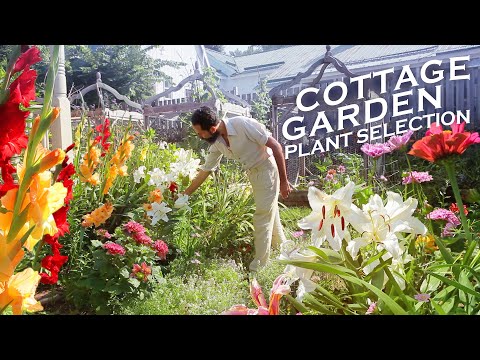
A cottage garden design is a style of gardening characterized by dense plantings, winding pathways, and a relaxed, organic aesthetic that mimics the look of a traditional English countryside homestead. Unlike formal gardens with rigid symmetry and geometric precision, cottage gardens embrace naturalistic drifts, overlapping textures, and a generous mix of flowering plants, herbs, and edible crops. The result is a space that feels abundant, inviting, and alive with color and fragrance.
The history of cottage gardens dates back to rural England, where working-class families cultivated practical yet beautiful plots around their homes. These early gardens were less about design rules and more about utility, beauty, and self-sufficiency. Today, the cottage garden aesthetic has evolved into one of the most sought-after landscaping styles, prized for its romantic charm and relatively low-maintenance philosophy when designed thoughtfully.
Core Principles of Cottage Garden Design
Loose, Informal Planting Patterns

The hallmark of any successful cottage garden layout is its informal planting style. Rather than arranging flowers in neat rows, cottage gardens use a “drift” method where plants spill over pathways, intertwine with neighboring varieties, and create natural-looking clusters. This approach encourages biodiversity, supports pollinators, and delivers that signature overflowing, abundant look.
Hardscaping with Natural Materials
Cottage gardens rely heavily on organic hardscape materials to create structure without sacrificing softness. Think rustic stone borders, weathered wooden fences, cobblestone pathways, and wrought iron gates. These elements frame the planting areas and provide visual anchors while complementing the lush greenery and vibrant blooms.
Layered Planting for Depth and Texture
Successful cottage garden design uses vertical layering to create visual depth. Tall background plants like hollyhocks and delphiniums give way to mid-height perennials such as lavender and salvia, while low-growing ground covers like creeping thyme and alyssum soften the edges. This layering technique ensures that every season offers something captivating.
Inclusion of Edible and Functional Plants
A true cottage garden blurs the line between ornamental and practical. Integrating kitchen herbs like rosemary, thyme, and mint alongside decorative flowers is a defining feature. Raised beds, kitchen gardens, and edible hedgerows add function and harvest potential without compromising the aesthetic.
Best Plants for Cottage Garden Layouts
Selecting the right plants is the single most important decision in cottage garden design. The ideal plant palette combines perennials, annuals, climbing vines, and fragrant shrubs to ensure year-round interest. Below are some of the most beloved cottage garden plants organized by category.
- Roses — Classic cottage garden staples, especially old-fashioned varieties like David Austin English Roses
- Delphiniums — Tall, striking spires that add vertical drama in summer
- Lavender — Provides fragrance, pollinator support, and beautiful silvery foliage
- Peonies — Lush, fragrant blooms that anchor cottage garden borders
- Foxgloves — Tall bell-shaped flowers that self-seed generously
- Sweet Peas — Fragrant climbing vines perfect for trellises and archways
- Hydrangeas — Hardy shrubs with voluminous blooms in shades of blue, pink, and white
- Nepeta (Catmint) — A low-maintenance perennial with lavender-blue flowers that blooms for months
- Salvia — Offers vibrant color and attracts hummingbirds and bees
- Dianthus — Fragrant, fringed flowers that add charm along pathway edges
Cottage Garden Design Ideas for Every Skill Level
Beginner Cottage Garden Designs
If you are new to gardening, start small. A simple cottage garden design for beginners should focus on resilient, easy-to-grow plants and a straightforward layout. Choose a sunny spot, lay down a curved flagstone path, and plant clusters of low-maintenance perennials like coneflowers, black-eyed Susans, and lavender. Add a few climbing plants such as clematis on a basic wooden trellis to introduce vertical interest without complexity.
- Start with a manageable plot of about 50 to 100 square feet.
- Select six to eight perennial varieties that thrive in your USDA hardiness zone.
- Use a single pathway material like crushed gravel or flagstone.
- Add a focal point such as a birdbath, bench, or small fountain.
- Plant generously — cottage gardens thrive on density.
Intermediate Cottage Garden Designs
As your confidence grows, you can expand the plant palette and introduce more complex design elements. Intermediate cottage garden enthusiasts often experiment with companion planting, integrate small vegetable beds, and incorporate decorative structures like pergolas, archways, and rustic benches. At this stage, consider adding seasonal rotation — planting bulbs for spring, annuals for summer, and ornamental grasses for fall and winter texture.
Advanced Cottage Garden Designs
Advanced cottage garden design involves intricate layering, carefully curated color schemes that shift across seasons, and the integration of water features, stone walls, and specialized planting zones. An expert-level cottage garden might include a dedicated cutting garden for harvesting fresh flowers, a pollinator-friendly zone with native wildflowers, and a kitchen herb spiral made from stacked stone. These designs require ongoing planning and soil management but deliver the most visually stunning and ecologically diverse results.
Planning Your Cottage Garden: A Step-by-Step Approach
Transforming your outdoor space into a cottage garden requires thoughtful planning. Follow these steps to ensure your design succeeds from the first season forward.
- Assess your site conditions. Observe sunlight patterns, soil type, drainage, and wind exposure throughout the day. Most cottage garden plants thrive in full sun with well-drained soil.
- Sketch a rough layout. Draw a simple plan that includes your pathway routes, focal points, and planting zones. Use curved lines to maintain the informal cottage feel.
- Choose your color palette. Decide whether you want a soft pastel cottage garden, a bold and vibrant mix, or a classic white-and-green romantic theme.
- Select your plants. Build a plant list that ensures continuous bloom from early spring through late autumn. Include a mix of perennials, self-seeding annuals, and biennials.
- Prepare the soil. Amend with compost, aged manure, and organic matter to create rich, fertile ground that supports lush growth.
- Plant in waves. Start with structural shrubs and perennials, then fill in with annuals and ground covers as the garden matures.
- Add finishing touches. Install mulch pathways, place garden ornaments, and set up a watering system that suits your maintenance schedule.
Cottage Garden vs. Other Popular Garden Styles
Understanding how cottage gardens compare to other popular styles helps you make informed design decisions. The table below highlights key differences.
| Feature | Cottage Garden | Formal Garden | Modern Minimalist |
| Plant Style | Dense, informal, mixed borders | Symmetrical, pruned, ordered | Sparse, architectural, sculptural |
| Pathways | Curved, natural stone, gravel | Straight lines, geometric pavers | Clean lines, concrete, wood |
| Color Palette | Rich, varied, rainbow | Controlled, often monochromatic | Neutral greens, whites, grays |
| Maintenance Level | Moderate | High | Low to moderate |
| Wildlife Support | Excellent | Low | Moderate |
| Best Suited For | Romantic, traditional homes | Classic estates, formal architecture | Contemporary, urban spaces |
Expert Tips for a Stunning Cottage Garden
Even experienced gardeners can refine their cottage garden approach with a few proven strategies. These expert recommendations elevate a good cottage garden into an extraordinary one.
- Embrace self-seeding plants. Species like foxgloves, poppies, and nigella naturally scatter seeds and return year after year, reducing your workload while enhancing the wild, organic feel.
- Use ornamental grasses as transitional plants. Grasses like feather reed grass and Mexican feather grass add movement, texture, and winter interest when flowers have faded.
- Incorporate fragrance at multiple heights. Place fragrant plants like jasmine, garden phlox, and sweet woodruff at different levels so you experience scent whether you are walking, sitting, or standing.
- Group plants in odd numbers. Planting in clusters of three, five, or seven creates a more natural, visually appealing display than even-numbered groupings.
- Add seasonal accents. Use containers, hanging baskets, and seasonal plantings to refresh the garden’s look without redesigning the entire space.
- Mulch generously but naturally. Use wood chips, straw, or shredded leaves to retain moisture, suppress weeds, and maintain the organic cottage aesthetic.
Frequently Asked Questions (FAQs)
What is the best cottage garden design for small spaces?
For small spaces, focus on vertical gardening by using trellises, archways, and wall-mounted planters. Choose compact perennials and dwarf varieties, and use tiered planting beds to maximize growing area. A narrow cottage garden along a fence or beside a front porch can feel just as charming as a large landscape when designed with layered planting and winding pathway curves.
How do I maintain a cottage garden through the winter months?
Winter cottage garden care involves leaving dried seed heads and ornamental grasses in place for visual interest and bird forage. Apply a thick layer of mulch around perennial roots, prune only dead or damaged growth, and plan next season’s planting based on what performed best during the growing year. Evergreen shrubs and winter-blooming hellebores keep the garden looking alive even in cold months.
What are the most affordable cottage garden design ideas?
Start plants from seed, swap divisions with fellow gardeners, and use recycled materials like reclaimed wood for borders and pathways. Collecting self-seeded plants and propagating cuttings from friends’ gardens dramatically reduces costs while building a lush, established cottage garden over time.
Can cottage garden designs work in dry or arid climates?
Absolutely. Adapt cottage garden principles by selecting drought-tolerant plants like lavender, Russian sage, yarrow, and sedum. Use gravel pathways instead of grass, incorporate mulching to retain soil moisture, and design with water-wise zoning that groups plants with similar irrigation needs together.
What colors work best in a cottage garden design?
Cottage gardens traditionally favor soft pastels like blush pink, pale lavender, cream, and baby blue, but there are no hard rules. Many stunning cottage gardens use bold complementary color pairings — deep purples against bright yellows, for example. The key is to ensure colors blend harmoniously across seasons so the garden never looks disjointed or bare.
Conclusion
Cottage garden designs offer a beautiful, timeless approach to outdoor spaces that celebrates nature’s spontaneity while rewarding the gardener’s care and creativity. Whether you are planting your first cottage garden as a weekend project or refining an established landscape into a masterpiece, the principles of abundance, naturalism, and joyful diversity will guide you toward success. Start with a clear plan, choose plants that suit your climate and soil, and most importantly — allow your garden to grow and evolve organically. The most stunning cottage gardens are never finished; they are living, breathing landscapes that tell a story with every passing season.