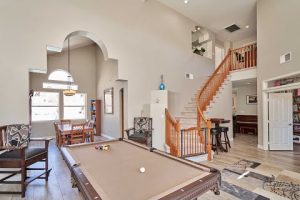
When it comes to designing a living room that feels both beautiful and functional, the right furniture ideas for living room can make all the difference. Your living room is the heart of the home — a space where you relax, entertain guests, and create lasting memories. But with so many styles, materials, and layout options available, knowing where to start can feel overwhelming. Whether you are redecorating an entire room or simply looking to refresh a few key pieces, this comprehensive guide covers everything from layout planning and trending styles to expert arrangement tips that will help you transform your living space into something truly remarkable.
Understand Your Living Room Layout Before Choosing Furniture
Before you start shopping for sofas, coffee tables, or accent chairs, take time to evaluate the unique dimensions and flow of your living room. The layout determines everything from traffic patterns to how natural light moves through the space. A poorly planned arrangement can make even the most expensive living room furniture feel cramped and disconnected.
Start by measuring your room accurately. Note the locations of windows, doors, electrical outlets, and any architectural features like fireplaces or built-in shelving. These fixed elements will dictate where your anchor piece — typically a sectional sofa or a statement armchair — should be positioned. Most designers recommend pulling furniture away from the walls by at least a few inches to create a sense of depth and coziness.
Consider the primary purpose of the room. Is it a family-friendly space built for movie nights and game sessions, or is it a formal sitting area for hosting guests? Answering this question helps you prioritize comfort versus aesthetics and guides every subsequent furniture decision you make.
Trending Furniture Styles for Living Rooms
The best living room furniture ideas draw inspiration from timeless design principles while incorporating contemporary trends. Below are three of the most popular styles that continue to dominate interior design conversations in 2024 and beyond.
Modern Minimalist Living Room Furniture Ideas
Minimalism is not about having less for the sake of having less — it is about intentionality. A minimalist living room features clean lines, neutral color palettes, and furniture that serves a clear purpose without unnecessary ornamentation. Think low-profile sofas, geometric coffee tables, and streamlined media units crafted from materials like light-toned wood, matte metals, and tempered glass.
Key characteristics of minimalist living room furniture include:
- Monochromatic or earth-tone color schemes
- Hidden storage solutions to reduce visual clutter
- Furniture with slim, tapered legs that create an airy feel
- Open floor plans with generous negative space

Scandinavian design continues to be one of the most searched living room furniture ideas on interior design platforms worldwide. Rooted in Nordic simplicity, this style emphasizes warmth, functionality, and natural materials. A Scandinavian living room typically features light oak or birch furniture, plush textured throws, soft lighting, and a restrained yet inviting color palette of whites, grays, and muted pastels.
What makes this style so universally appealing is its adaptability. Scandinavian furniture ideas work equally well in compact apartments and spacious open-plan homes, making them accessible for virtually any budget.
Transitional and Contemporary Living Room Pieces
If you find yourself torn between traditional and modern aesthetics, transitional furniture offers the perfect bridge. These pieces blend classic silhouettes with contemporary finishes — a tufted sofa with tapered metal legs, for example, or a wooden entertainment center paired with sleek acrylic accents. Transitional living room furniture is ideal for homeowners who want a timeless look that does not feel tied to a single design era.
Key Furniture Pieces Every Living Room Needs
A well-curated living room revolves around a carefully selected ensemble of furniture pieces. While personal preferences vary, certain items form the foundation of nearly every successful layout.
- Sofa or Sectional: The sofa is the undisputed centerpiece of any living room furniture arrangement. Choose a size that suits your room — an oversized sectional for large open spaces, or a compact two-seater with a Loveseat for smaller rooms.
- Coffee Table or Nesting Tables: These surfaces anchor the seating area and provide a practical spot for drinks, books, and decorative objects. Nesting tables offer flexibility and are among the most versatile living room furniture ideas for compact spaces.
- Accent Chairs: Adding one or two accent chairs introduces visual interest and extra seating. Consider pieces in bold fabrics, curved designs, or unexpected materials like rattan or velvet.
- Media Console or Entertainment Unit: A low-profile console keeps electronics organized and gives you a surface for displaying art, plants, or curated collectibles.
- Side Tables and Lamps: These small but essential pieces provide task lighting and convenient surfaces on either end of the sofa.
- A Statement Rug: While technically a décor element rather than furniture, a well-chosen rug defines the seating zone and ties the entire furniture arrangement together visually.
Sizing and Scale: Choosing the Right Dimensions
One of the most common mistakes homeowners make is selecting furniture based on aesthetics alone without considering scale. A massive Chesterfield sofa in a small living room will dominate the space and obstruct walkways, while a tiny loveseat in a large room will look lost and disproportionate.
Here are practical guidelines for matching furniture dimensions to your living room size:

- Small living rooms (under 250 sq ft): Opt for compact, armless chairs and slim-profile coffee tables. Wall-mounted shelving and nesting tables maximize floor space.
- Medium living rooms (250–450 sq ft): A standard three-seat sofa paired with an accent chair and a medium coffee table works beautifully. Leave at least 30 inches of walking space between furniture pieces.
- Large living rooms (450+ sq ft): Go big with a sectional or a large L-shaped sofa arrangement. Use area rugs and grouped furniture to define distinct zones within the room.
| Living Room Size | Recommended Sofa Size | Ideal Coffee Table Length | Minimum Walkway Clearance |
| Small (under 250 sq ft) | 2-seater or compact 3-seater | 36–42 inches | 24–28 inches |
| Medium (250–450 sq ft) | Standard 3-seater or small sectional | 48–60 inches | 30–36 inches |
| Large (450+ sq ft) | Oversized sectional or L-shaped sofa | 60–72 inches | 36+ inches |
Expert Tips for Arranging Living Room Furniture
Even the best furniture pieces will fail to impress if the arrangement feels awkward or unbalanced. Interior designers rely on a few proven principles that anyone can apply to their own space.
Create a focal point. Every living room needs a visual anchor — a fireplace, a large window, a piece of wall art, or even a statement media console. Arrange your primary seating to face this focal point, which immediately grounds the entire furniture layout.
Use the conversation grouping technique. Instead of pushing all furniture against the walls, try pulling the sofa and chairs closer together to form a intimate seating cluster. This approach encourages conversation and makes the room feel warmer and more inviting.
Layer lighting strategically. Combine overhead fixtures with floor lamps, table lamps, and even candle-style accents to create depth and ambiance. Lighting is one of the most underrated living room furniture ideas because it transforms the mood of the entire space.
Balance visual weight. If you place a large, dark sofa on one side of the room, counterbalance it with a tall bookshelf, a pair of accent chairs, or a substantial art piece on the opposite side. Symmetry does not need to be perfect — just balanced.
Invest in quality over quantity. It is better to own five well-made, durable pieces than ten cheap items that will need replacing within a few years. Look for solid wood frames, high-density foam cushions, and upholstery fabrics rated for durability.
Frequently Asked Questions
What are the best furniture ideas for a small living room on a budget?
For small living rooms on a budget, prioritize multi-functional furniture such as a storage ottoman that doubles as seating and a coffee table, or a wall-mounted drop-leaf desk that serves as a console when not in use. Choose light-colored wood pieces and mirrors to create the illusion of more space. Nesting tables and nesting side chairs are also budget-friendly living room furniture ideas that save floor area when not in use.
How do I choose the right sofa size for my living room?
Measure your available floor space and subtract at least 36 inches of clearance on all sides of the sofa for comfortable walkways. A standard three-seat sofa is approximately 84 inches wide, while a small loveseat measures around 60 inches. For sectional sofas, measure the length and depth carefully — L-shaped sections can range from 90 to 144 inches in length depending on the configuration. Always bring these measurements with you when shopping for living room furniture.
Which living room furniture arrangements work best for open-concept floor plans?
In open-concept spaces, use area rugs to visually define the seating zone and distinguish the living room from adjacent dining or kitchen areas. An angular or L-shaped sectional works exceptionally well because it naturally wraps the conversation area and creates a sense of enclosure without closing off the flow. Add a bookshelf or room divider panel as a subtle boundary that maintains visual continuity throughout the open space.
What materials are most durable for living room furniture in high-traffic households?
For high-traffic living rooms, microfiber and performance fabrics like Crypton or Sunbrella offer excellent stain resistance and breathability. Solid hardwood frames, particularly oak, walnut, and maple, provide long-lasting structural integrity compared to particleboard or MDF. Metal legs with powder-coated finishes resist scratches and are easy to clean. If you have children or pets, avoid delicate materials like raw linen or unseated rattan and instead focus on durable, easy-to-maintain living room furniture pieces.
How can I make my living room furniture look more expensive without spending more?
One of the most effective ways to elevate the look of your living room furniture is through strategic layering. Add a textured throw blanket, a set of premium decorative pillows, and a well-placed area rug to instantly upgrade the visual richness of any sofa or seating arrangement. Swap out basic hardware on side tables with brushed brass or matte black pulls, and incorporate curated objects like ceramic vases, stacked art books, and statement table lamps. These small living room furniture ideas require minimal investment but deliver maximum impact.
Conclusion
Finding the perfect furniture ideas for living room is a journey of balancing personal style, practical function, and spatial awareness. By understanding your layout, exploring trending styles like minimalist, Scandinavian, and transitional design, and applying proven arrangement principles, you can create a living room that looks stunning and feels genuinely livable. Remember to prioritize quality construction, thoughtful scale, and layered lighting to bring the entire room together. Whether you are starting from scratch or simply refreshing your current setup, the right combination of furniture pieces will turn your living room into the most welcoming space in your home.