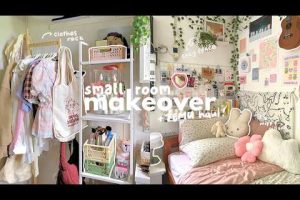
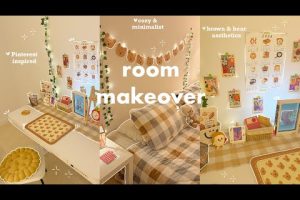
Decorating at home is one of the most rewarding investments you can make in your quality of life. Whether you are refreshing a single room or overhauling your entire living space, the way you arrange furniture, select color palettes, layer lighting, and incorporate personal touches directly impacts your mood, productivity, and sense of well-being. Yet many people feel overwhelmed by the idea of home decoration, assuming it requires a professional designer or a significant budget. The truth is far different. With a clear understanding of design fundamentals, a willingness to experiment, and access to the right resources, anyone can transform their house into a space that feels intentional, beautiful, and uniquely theirs. This comprehensive guide walks you through everything you need to know to decorate at home like a pro, whether you are a complete beginner or someone looking to refine your existing aesthetic.
Why Decorating at Home Transforms Your Everyday Life
Your living environment shapes your daily habits more than you might realize. Research in environmental psychology consistently shows that well-designed spaces reduce stress, improve focus, and foster positive social interactions. When you invest time in decorating at home, you are not just improving aesthetics — you are curating the backdrop for your everyday experiences. A thoughtfully decorated living room encourages relaxation after a long workday, while a well-organized kitchen makes cooking feel like a pleasure rather than a chore. Beyond emotional benefits, strategic decoration can even increase your property value, making it a smart financial decision as well as a creative one.
The key difference between an average space and an extraordinary one lies in intentionality. Every element — from the scale of your furniture to the texture of your throw pillows — should serve a purpose. That does not mean every piece needs to be expensive or match perfectly. It means your choices should feel cohesive, layered, and reflective of who you are.
Core Principles of Home Decoration
Understanding Your Space and Its Potential
Before you buy a single piece of decor, take time to understand the space you are working with. Measure your rooms, note the natural light patterns throughout the day, and identify architectural features you want to highlight or downplay. Small rooms benefit from light, neutral wall colors and mirrors that create the illusion of depth, while larger spaces can accommodate bold accent walls and oversized furniture without feeling empty.

Consider the flow of movement through each room. Furniture arrangement should allow easy navigation while creating natural conversation areas. A common mistake is pushing all furniture against the walls, which actually makes a room feel smaller and less inviting. Pulling seating arrangements slightly inward encourages intimacy and makes the space feel purposeful.
The Role of Color Psychology in Home Decoration
Color is arguably the most powerful tool in your decoration arsenal. Warm tones like terracotta, warm beige, and muted gold create energy and coziness, making them ideal for living rooms and dining areas. Cool tones such as soft blue, sage green, and lavender promote calm and focus, which is why they work so well in bedrooms and home offices. Neutral palettes like ivory, warm gray, and soft white provide a versatile foundation that lets your furniture and accessories shine.
When decorating at home, follow the 60-30-10 rule: 60% of your room should feature the dominant color (usually walls or large furniture), 30% should be the secondary color (curtains, rugs, or accent furniture), and 10% should be an accent color (pillows, artwork, decorative objects). This ratio creates visual harmony without feeling rigid or monotonous.

Step-by-Step Guide to Decorate at Home
- Define your style. Browse design magazines, Pinterest boards, and interior design blogs to identify recurring themes. Are you drawn to minimalist Scandinavian aesthetics, rustic farmhouse warmth, or modern eclectic energy? Having a clear style direction prevents the scattershot purchasing that leads to a cluttered, unfocused look.
- Create a mood board. Compile images, fabric swatches, and color samples into a physical or digital collage. This visual reference keeps your decoration decisions aligned and helps you communicate your vision if you are shopping with others.
- Start with the largest pieces. Invest in quality furniture first — a comfortable sofa, a sturdy dining table, a supportive bed frame. These anchor pieces set the tone for the entire room.
- Layer in textiles. Rugs, curtains, throw blankets, and cushions add warmth, texture, and color. They are also the easiest and most affordable way to update a room’s look seasonally.
- Incorporate lighting layers. Combine overhead lighting, floor lamps, table lamps, and candles to create depth and ambiance. Lighting has a profound impact on how colors appear and how welcoming a space feels.
- Add personal and natural elements. Family photographs, travel souvenirs, indoor plants, and natural materials like wood and stone ground a room in authenticity and make it feel truly lived-in.
Room-by-Room Decoration Strategies
Each room in your home presents unique opportunities and challenges. The living room is your social hub, so focus on comfortable seating arrangements and a striking focal point such as a fireplace, a large piece of art, or a statement coffee table. The bedroom should prioritize comfort and tranquility — invest in quality bedding, minimize clutter on nightstands, and use blackout curtains to support restful sleep. The kitchen benefits from open shelving, cohesive cabinet hardware, and functional yet beautiful countertop accessories. Even often-overlooked spaces like hallways, entryways, and bathrooms deserve attention; a stylish console table in the entryway or framed prints in a hallway transforms these transitional areas into intentional design moments.
Budget-Friendly Home Decoration Ideas
Decorating at home does not require a significant financial investment. Some of the most impactful changes cost very little. Repainting an accent wall, rearranging your furniture layout, and adding a gallery wall with framed prints or personal photographs can completely redefine a room. Thrift stores, flea markets, and online resale platforms are treasure troves for unique furniture pieces and decorative objects at a fraction of retail prices. Upcycling old furniture with a fresh coat of paint or new hardware is a creative way to achieve a custom look without the custom price tag.
DIY projects also offer tremendous value. Building simple shelves, creating your own cushions with budget-friendly fabric, or crafting decorative items like macramé wall hangings or painted candle holders adds personal character to your space. The internet is filled with free tutorials that make even complex-looking projects accessible to beginners.
DIY vs Professional Home Decoration: A Comparison
| Factor | DIY Decoration | Professional Designer |
| Cost | Low to moderate; saves on labor fees | Higher; designer fees plus material costs |
| Time Investment | Significant; requires research and execution | Minimal; designer manages the process |
| Customization | Fully personalized to your taste | Expert-guided but may involve compromises |
| Expertise | Limited by your own knowledge and skills | Access to professional design knowledge and industry connections |
| Best For | Budget-conscious homeowners, renters, small projects | Large renovations, complex layouts, high-end finishes |
Many homeowners find success by combining both approaches. Hire a designer for an initial consultation or one room as a template, then execute the remaining spaces yourself using that professional guidance as a foundation.

Expert Tips for a Polished and Cohesive Look
Seasoned interior designers share several principles that consistently elevate home decoration results. First, always consider scale and proportion. An oversized rug in a small room or a tiny pendant light above a large dining table throws off visual balance. Second, embrace asymmetry and layering rather than striving for perfect symmetry, which can feel sterile. Third, pay attention to texture as much as color — mixing smooth surfaces with rough, matte finishes with glossy, and soft textiles with hard materials creates visual richness. Fourth, let negative space breathe. Overcrowding a room with too much furniture or decoration creates chaos rather than charm. Finally, trust your instincts. Rules are guidelines, not mandates. If a piece makes you feel happy and at ease, it belongs in your home.
Common Mistakes People Make When Decorating at Home
- Buying furniture before planning. Purchasing pieces without a clear layout leads to mismatched scales and awkward arrangements.
- Ignoring lighting. Relying solely on a single overhead light flattens a room and eliminates atmosphere.
- Following trends blindly. Trend-driven choices often feel dated quickly; build your foundation with timeless pieces and inject personality through interchangeable accessories.
- Neglecting function. Beautiful decor that does not serve your daily life quickly becomes clutter.
- Skipping the entryway. Your front door creates the first impression; a disorganized entry undermines the effort you put into every other room.
- Forgetting the ceiling and walls. These large surfaces dominate visual attention and deserve thoughtful treatment beyond plain white paint.
Frequently Asked Questions About Home Decoration
How do I start decorating a room from scratch?
Begin by determining the room’s primary function and the atmosphere you want to create. Measure the space, sketch a basic floor plan, select a color palette, and choose your largest furniture piece first. Build outward from there, adding textiles, lighting, and decorative accessories layer by layer until the space feels complete.
What are the best affordable ways to decorate at home?
Repainting walls, rearranging existing furniture, adding affordable textiles like cushions and throws, creating DIY wall art, incorporating indoor plants, and shopping at thrift stores or online resale platforms deliver maximum impact at minimal cost.
How often should I update my home decoration?
There is no fixed schedule, but many homeowners refresh their spaces seasonally by swapping out pillows, throws, and decorative objects. Larger changes like repainting or furniture replacement typically happen every three to five years, depending on personal preference and budget.
What is the easiest way to make a small room look bigger?
Use light and neutral wall colors, choose furniture with exposed legs to create a sense of airiness, hang mirrors to reflect natural light, keep window treatments simple and lightweight, and avoid clutter. A consistent flooring material throughout the space also eliminates visual breaks that make rooms feel fragmented.
Can I mix different decoration styles in one home?
Absolutely. Eclectic design is about finding a unifying element — a consistent color palette, a recurring material like wood or metal, or a shared texture — that ties diverse styles together harmoniously. The key is to avoid randomness by anchoring each room with at least one intentional theme.
Conclusion
Decorating at home is an ongoing journey of self-expression and creative discovery. There is no single formula for a perfect space, but by understanding core design principles, starting with intentional planning, and embracing both budget-friendly and investment-worthy pieces, anyone can craft a home that feels deeply personal and visually stunning. The most important element in any room is not the furniture or the art — it is the life and personality of the person who lives there. Let your home tell your story, one room at a time.