When most people think about transforming an outdoor space, they underestimate just how much intentional design in landscape can elevate a property—from a modest backyard garden to a sprawling commercial grounds. Landscape design isn’t simply about planting flowers or laying down a patio. It’s a disciplined art and science that blends ecology, architecture, horticulture, and spatial planning into one cohesive vision. Whether you’re a homeowner planning your first garden redesign or a professional looking to sharpen your approach, understanding the principles, elements, and processes behind effective landscape design is the single most impactful thing you can do.
In this guide, we’ll walk through everything you need to know about landscape design—covering foundational principles, stylistic approaches, practical execution steps, and common pitfalls—so you can create outdoor spaces that are not only visually stunning but also functional and sustainable for years to come.
What Does Design in Landscape Actually Mean?
At its core, design in landscape refers to the deliberate arrangement of natural and built elements within an outdoor environment. This includes plants, trees, water features, hardscaping materials, lighting, pathways, and topography. The goal is to shape space in a way that serves human needs while respecting the existing environment. Unlike interior design, landscape design operates under dynamic conditions—seasons change, plants grow, weather shifts—so a great landscape plan must account for evolution over time.
Professional landscape designers consider factors like soil composition, drainage patterns, sun exposure, microclimates, and local wildlife before placing a single plant. This thorough analysis is what separates a generic yard from a thoughtfully composed landscape.
Core Principles That Drive Great Landscape Design
Every successful landscape follows a set of foundational design principles. These aren’t just decorative preferences—they’re the structural rules that make outdoor spaces feel intentional and balanced.
Unity and Harmony
Unity means that all elements in your landscape feel connected. Repetition of plant species, consistent material palettes, and recurring shapes across different zones help create a sense of cohesion. Harmony goes a step further by ensuring that every component complements the others rather than competing for attention.
Balance and Proportion
Balance refers to the visual weight distributed across the landscape. Symmetrical balance places identical elements on either side of a central axis, while asymmetrical balance uses differing elements of equal visual mass. Proportion ensures that hardscape features, plant sizes, and open spaces relate to each other—and to the scale of the property and surrounding architecture.

Focal Points and Visual Flow
A strong focal point—whether it’s a specimen tree, a water feature, or a sculptural element—guides the eye and anchors the composition. Visual flow, achieved through strategic placement of lines, curves, and transitions, ensures that movement through the landscape feels natural and intentional.
Essential Elements of Landscape Design
Understanding the individual building blocks of landscape design helps you make informed decisions at every stage. Here are the key elements every designer should master:
- Line: The paths, edges, and borders that direct movement and define shapes within the space.
- Form: The three-dimensional shape of plants, structures, and landforms.
- Texture: The visual and tactile quality of surfaces—from fine-textured grasses to coarse bark.
- Color: Seasonal shifts in foliage, blooms, and hardscape tones that create mood and rhythm.
- Mass and Scale: The size and density of elements relative to the overall space.
- Fragrance and Sound: Often overlooked sensory elements that profoundly shape the experience of a landscape.
Popular Landscape Design Styles and When to Use Them
Choosing the right design style sets the tone for your entire project. Below is a comparison of some of the most popular approaches to landscape design:

| Style | Key Characteristics | Best Suited For | Maintenance Level |
| Formal | Symmetrical layouts, geometric shapes, clipped hedges, structured pathways | Historic estates, classical architecture, formal courtyards | High |
| Modern Minimalist | Clean lines, limited plant palette, architectural hardscape, negative space | Urban homes, contemporary architecture, low-maintenance yards | Low to Medium |
| Cottage Garden | Loose plantings, mixed colors, winding paths, abundant blooms | Rural properties, charming residential gardens, heritage homes | Medium |
| Xeriscape | Drought-tolerant plants, gravel surfaces, water-efficient irrigation, natural stone | Arid climates, eco-conscious homeowners, water-scarce regions | Low |
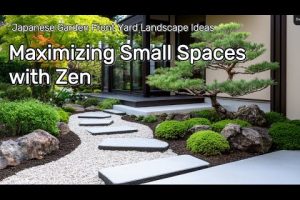
| Japanese Zen | Asymmetry, gravel raking, moss, stone lanterns, minimalism | Meditation spaces, small urban lots, contemplative gardens | Medium |
| Tropical | Bold foliage, large-leaf plants, vibrant colors, water features | Warm climates, resort-style properties, lush backyard retreats | Medium to High |
Selecting a style that aligns with your local climate, architectural context, and personal lifestyle is critical. A tropical design in a northern climate, for example, will demand excessive resources and may never thrive. The best design in landscape always works with the environment, not against it.
Step-by-Step Process for Designing Your Landscape
Whether you’re tackling a residential garden or a commercial site plan, following a structured process ensures nothing gets overlooked. Here’s a proven workflow that landscape professionals rely on:
- Site Analysis: Assess existing conditions—soil type, slope, drainage, sun patterns, prevailing winds, and existing vegetation. Use tools like soil testing kits and sun-mapping apps for accuracy.
- Needs Assessment: Identify how the space will be used. Do you need a play area for children? A quiet meditation zone? An outdoor entertaining space? Document every functional requirement.
- Conceptual Design: Create rough sketches or bubble diagrams that map out zones—living areas, planting beds, pathways, utility spaces. Explore multiple layouts before committing.
- Schematic Design: Refine the concept into a scaled plan with hardscape dimensions, plant selections, and material specifications. Include a planting palette organized by seasonal interest.
- Development Design: Finalize all details, including irrigation plans, lighting layouts, construction details, and a precise plant list with quantities.
- Implementation: Execute the build in phases—typically starting with hardscape, followed by major plantings, then softscape details and finishing elements like mulch and lighting.
Rushing through any of these stages is the most common mistake amateur designers make. Each phase builds on the last, and skipping steps leads to costly revisions and disappointing results.
Common Mistakes in Landscape Design and How to Avoid Them
Even experienced homeowners make preventable errors when planning outdoor spaces. Here are the most frequent missteps:
- Ignoring Scale and Proportion: Oversized furniture or tiny plants in a large space creates visual confusion. Always measure your area and choose elements that fit the proportions.
- Neglecting Soil Preparation: Plants struggle in compacted or nutrient-poor soil. Invest in soil amendments before planting for healthier growth and long-term savings.
- Overplanting: It’s tempting to fill every inch of ground, but overcrowding leads to competition for light, water, and nutrients. Give plants room to mature.
- Poor Drainage Planning: Water pooling in low spots can destroy plantings and damage hardscape. Grade your site properly and consider French drains or permeable surfaces where needed.
- Forgetting Maintenance Requirements: A beautiful design means nothing if you can’t sustain it. Be honest about how much time and budget you can dedicate to ongoing care.
Expert Tips for Elevating Your Landscape Design
Take your outdoor space from good to extraordinary with these professional-level strategies:
- Design in Layers: Use canopy trees, understory shrubs, mid-height perennials, groundcovers, and vertical accents to create depth and visual richness throughout the year.
- Plan for All Four Seasons: Select plants that provide interest in spring blooms, summer foliage, autumn color, and winter structure so your landscape never looks bare.
- Use Curved Pathways: Gentle curves slow movement and encourage exploration, while straight lines feel abrupt and formal.
- Integrate Lighting: Well-placed outdoor lighting extends usability into the evening and highlights key design features. Layer ambient, task, and accent lighting for the best effect.
- Incorporate Water: Even a small water feature adds sound, movement, and a calming sensory dimension that elevates the entire space.
Frequently Asked Questions About Landscape Design
What is the best software for designing a landscape layout?
Professional designers often use programs like AutoCAD, SketchUp, or Vectorworks for precise drafting. Homeowners looking for accessible options can try free tools like Garden Planner or iScape, which offer drag-and-drop plant placement and 3D visualization. Choose based on your skill level and the complexity of your project.
How do I start landscape design on a tight budget?
Start with a phased approach. Focus on high-impact, low-cost elements first—such as mulch, perennial plantings, and a simple pathway—then add hardscape and custom features as your budget allows. Prioritizing native and drought-tolerant species also reduces long-term water and maintenance costs.
What plants are best for low-maintenance landscape design?
Native perennials, ornamental grasses, evergreen shrubs, and groundcovers adapted to your region are excellent choices. Plants like lavender, sedum, ornamental ferns, and native grasses require minimal intervention once established and provide year-round structure.
How important is sustainability in modern landscape design?
Sustainability is no longer optional—it’s a core expectation. Modern landscape design increasingly incorporates rain gardens, permeable paving, pollinator-friendly planting, composting systems, and energy-efficient irrigation. These elements reduce environmental impact and often lower long-term maintenance costs significantly.
Can landscape design increase property value?
Yes. Studies consistently show that well-designed outdoor spaces can increase property values by 5 to 20 percent, depending on the scope and quality of the design. Features like outdoor kitchens, patio extensions, and mature tree canopies are among the highest-return landscape investments homeowners can make.
Conclusion
Design in landscape is far more than aesthetics—it’s a strategic discipline that shapes how people experience, interact with, and benefit from outdoor environments. From understanding core principles like unity, balance, and visual flow to selecting the right style, following a structured process, and avoiding common mistakes, every decision contributes to the success of the final result. Whether you’re redesigning a small urban courtyard or planning a large estate, approaching landscape design with intention, knowledge, and creativity will yield spaces that are beautiful, functional, and enduring. Start with analysis, plan in phases, invest in quality materials and healthy soil, and never underestimate the power of thoughtful design to transform any outdoor space into a true extension of your home.