


Living in a compact apartment or a cozy studio doesn’t mean you have to sacrifice style, comfort, or functionality. The world of clever furniture for small spaces has evolved dramatically, offering innovative designs that transform tight corners into highly efficient living areas. Whether you’re furnishing a tiny studio apartment, optimizing a dorm room, or simply trying to declutter a modest bedroom, the right furniture choices can make an enormous difference. From multifunctional pieces that serve double duty to wall-mounted solutions that reclaim precious floor space, this guide covers everything you need to know about selecting the best small-space furniture for your home.
Why Small Spaces Need Smart Furniture Solutions
When square footage is limited, every piece of furniture competes for valuable room. Traditional bulky sofas, oversized dining tables, and conventional wardrobes can quickly overwhelm a small apartment, making it feel cramped and chaotic. The solution lies in space-saving furniture designs that prioritize versatility, compact dimensions, and smart storage integration. Choosing the right pieces isn’t just about aesthetics — it directly impacts your daily comfort, organization, and even your mental well-being.
Research consistently shows that clutter contributes to stress and reduced productivity. In small living environments, the furniture you choose either adds to the chaos or actively works to minimize it. Clever design choices, such as nesting tables, Murphy beds, and convertible sofas, help you maintain an open, breathable feel without giving up the essentials you need for comfortable living.
Types of Clever Furniture for Small Spaces
Multifunctional Pieces That Do It All
The most popular category of compact living furniture involves items that serve more than one purpose. A sofa bed, for example, transforms your seating area into a guest bedroom in seconds. Storage ottomans provide a place to sit while also hiding blankets, books, or electronics inside. Nesting side tables tuck away when you don’t need them, freeing up floor space instantly.
These pieces are especially valuable in studio apartments where a single room must function as a bedroom, living room, and workspace simultaneously. Look for furniture with built-in compartments, hidden drawers, or fold-out surfaces to maximize every inch.
Wall-Mounted and Foldable Furniture
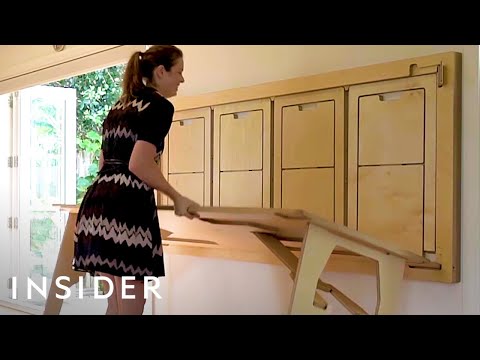
Wall-mounted options are game-changers for tiny homes. A wall-mounted folding desk can serve as a workspace during the day and disappear entirely when not in use. Drop-leaf dining tables attach to the wall and extend only when needed for meals. Wall-mounted shelving units keep floors clear while providing ample storage for books, plants, and decorative items.
Murphy beds — also known as wall beds or hideaway beds — remain one of the most iconic examples of space-efficient furniture. Modern versions come with integrated shelving, desks, or sofa configurations built into the bed frame, creating an entire furniture wall system that maximizes the footprint of your room.
Vertical Storage Solutions
When floor space is scarce, the answer is often upward. Tall bookcases, vertical wardrobes, and ceiling-height storage cabinets pull your storage into the vertical plane where it belongs. Vertical furniture for small apartments takes advantage of wall height, keeping your belongings organized without consuming precious square footage.
Pegboard systems, over-door organizers, and tall rolling carts are additional vertical strategies that keep everyday items accessible while freeing up horizontal surfaces. The key principle is simple: if you can’t go wider, go taller.
Best Clever Furniture Picks by Room
Different rooms demand different solutions. Here’s a breakdown of the most effective clever furniture choices for each area of a small home.
- Living Room: Compact modular sofas, nesting coffee tables, wall-mounted TV units, and storage benches that double as extra seating.
- Bedroom: Murphy beds with built-in desks, loft beds with desk or storage underneath, platform beds with deep drawers, and narrow floating nightstands.
- Dining Area: Drop-leaf tables, wall-mounted fold-out breakfast bars, stackable chairs, and bench seating with built-in storage.
- Home Office: Wall-mounted fold-down desks, floating shelves for monitors, compact ergonomic chairs, and vertical file organizers.
- Kitchen: Rolling kitchen carts, pull-out pantry shelves, corner carousels, and bar-height counters that double as casual dining surfaces.
Comparison: Popular Clever Furniture Types

Choosing between different types of space-saving furniture can feel overwhelming. The table below compares the most popular options to help you decide what works best for your situation.
| Furniture Type | Space Saved | Best For | Price Range |
| Murphy Bed | High — frees entire floor area | Studio apartments, guest rooms | $ – $$ |
| Nesting Tables | Medium — tuck away completely | Living rooms, small dining areas | $ – $ |
| Sofa Bed | Medium — serves dual purpose | Studio apartments, multipurpose rooms | $ – $$ |
| Wall-Mounted Desk | High — folds flat against wall | Home offices, small bedrooms | $ – $ |
| Storage Ottoman | Low-Medium — hidden compartment | Living rooms, bedrooms | $ – $ |
| Loft Bed | High — creates space underneath | Children’s rooms, studio apartments | $ – $$ |
Expert Tips for Maximizing Small Spaces
Selecting clever furniture is only half the equation. How you arrange and use these pieces makes an equally significant difference. Here are expert-backed strategies that interior designers and small-space living specialists recommend.
- Measure twice, buy once. Always measure your available space before purchasing any furniture. Leave at least 24 to 30 inches of clear walking pathways to maintain a comfortable flow throughout your home.
- Choose furniture with exposed legs. Pieces raised slightly off the floor create an illusion of more space and make rooms feel lighter and airier. This is especially effective for sofas, beds, and side tables in small apartments.
- Stick to a light color palette. Light-colored furniture — whites, soft grays, pale woods — reflects natural light and makes compact spaces feel more open. Dark furniture absorbs light and can make a room feel heavier and smaller.
- Use mirrors strategically. Placing a mirror opposite a window amplifies natural light and visually doubles the sense of depth in a room. This pairs beautifully with wall-mounted furniture that keeps surfaces clean and uncluttered.
- Invest in furniture on wheels. Rolling carts, movable side tables, and swivel chairs give you flexibility to reconfigure your space for different activities — dining, working, relaxing — without permanent commitments to a fixed layout.
- Prioritize scale over style. In small spaces, oversized statement pieces may look impressive in photos but create overwhelming proportions in real life. Choose furniture that fits your room’s scale first, then find styles that match your aesthetic.
One often-overlooked tip involves furniture placement relative to natural light. Keeping larger pieces away from windows ensures sunlight travels freely throughout the room, preventing dark corners and making even the smallest apartment feel expansive and inviting.
FAQ: Common Questions About Clever Furniture for Small Spaces
What is the best furniture for a studio apartment?
The best furniture for a studio apartment combines multiple functions in a single piece. Murphy beds with built-in shelving, compact modular sofas with storage compartments, and loft beds that create a separate sleeping zone above a workspace are among the top choices. The goal is to define distinct areas within one open room without blocking sightlines or traffic flow.
How do you make a small room look bigger with furniture?
Use furniture with a light visual footprint — pieces with exposed legs, glass or acrylic materials, and light color tones. Wall-mounted desks and floating shelves keep floors clear. Avoid blocking windows, and choose one or two statement pieces rather than filling the room with many small items. Mirrors and reflective surfaces also amplify the sense of space.

Is a Murphy bed worth the investment for small spaces?
Absolutely. A Murphy bed frees up substantial floor area during the day, effectively turning a bedroom into a living or working space. Modern Murphy beds come with integrated features like desks, shelving, and sofa configurations built into the mechanism, making them one of the most functional investments for anyone living in a small apartment or tiny home.
What are affordable alternatives to expensive small-space furniture?
DIY solutions can be surprisingly effective. Floating shelves cost a fraction of built-in cabinetry. A simple storage bench made from a wooden crate and foam cushions replaces expensive ottomans. Wall-mounted drop-leaf tables can be crafted from reclaimed wood. The key is focusing on function — pieces that store, fold, or mount to walls — rather than brand names.
Can clever furniture work in rental apartments without permanent modifications?
Yes, many clever furniture pieces are entirely rental-friendly. Wall-mounted foldable desks, rolling carts, nesting tables, loft bed risers, and freestanding room dividers all require no drilling or permanent alterations. Murphy beds come in freestanding models that don’t need wall anchoring. Always check with your landlord, but most lightweight, non-permanent furniture solutions are perfectly acceptable in rental properties.
Conclusion
Clever furniture for small spaces isn’t just a trend — it’s a fundamental design philosophy that prioritizes efficiency, adaptability, and intentional living. The right pieces can turn even the most compact apartment into a comfortable, organized, and visually spacious home. From multifunctional sofa beds and wall-mounted desks to vertical storage systems and rolling carts, the options available today are more creative and effective than ever before. The key is to assess your specific needs, measure your space carefully, and invest in furniture that works as hard as you do. Start with one or two high-impact pieces, and you’ll immediately notice the difference in how your small space feels, functions, and flows every single day.