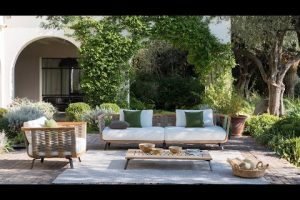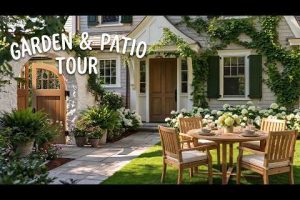
When you think about transforming your backyard into a luxurious retreat that feels like a private oasis, emerald outdoor living might be the design philosophy you have been searching for. This approach to exterior spaces draws inspiration from the deep, rich green of emeralds — blending lush vegetation, sophisticated hardscaping, and thoughtful lighting to create an environment that feels both vibrant and refined. Whether you are a homeowner planning a full backyard renovation or a renter looking to refresh a small patio, understanding the principles behind emerald outdoor living can help you craft a space that stands out in every season.
What makes emerald outdoor living so compelling is its ability to merge nature with intentional design. Unlike generic outdoor setups that rely on basic landscaping and off-the-shelf furniture, this style emphasizes depth, texture, and a cohesive green palette that feels intentional and curated. The result is an outdoor room that functions as an extension of your indoor living space — a place for relaxation, entertaining, and reconnecting with nature.
What Is Emerald Outdoor Living?
Emerald outdoor living refers to an outdoor design concept centered around rich, verdant tones and sustainable greenery as the foundation of the space. The goal is to create an environment where every element — from plant selection and hardscape materials to furniture and lighting — complements a deep, jewel-toned green aesthetic. This design approach goes beyond simply planting grass or adding a few shrubs. It is about building a layered landscape that evokes the lushness of a forest canopy or a carefully maintained botanical garden.

The concept draws on principles of biophilic design, which studies the human connection to nature and how natural elements improve well-being. By incorporating emerald green as a unifying color theme, outdoor spaces feel more immersive and calming. Think of it as designing a living room, but the walls are made of hedges, the ceiling is a canopy of trees, and the floor is a blend of natural stone and creeping ground cover.
Key Elements of an Emerald-Inspired Outdoor Space

Lush Greenery and Plant Selection
The foundation of any emerald outdoor living design is the plant palette. Deep green hostas, boxwood hedges, ferns, and ornamental grasses create that signature rich emerald backdrop. Layering plants at different heights adds dimension — tall shrubs anchor the space, mid-level perennials fill gaps, and creeping ground covers soften hard surfaces. Evergreens are essential because they maintain that lush green appearance year-round, ensuring your outdoor space looks stunning even in winter.
- Boxwood and yew hedges for structured borders
- Ferns and hostas for shaded emerald beds
- Ornamental grasses like Japanese forest grass for movement
- Creeping thyme or moss for ground-level texture
- Climbing ivy and vines for vertical green walls
Hardscaping with Emerald Tones
Hardscape materials should reinforce the emerald color story. Green-tinted natural stone, dark slate pavers, and emerald-stained concrete provide grounding surfaces that make surrounding greenery pop. A fire pit or outdoor kitchen built from dark green granite or basalt creates a focal point that feels both modern and organic.
Water Features and Ambiance
Water features are a staple of emerald outdoor living. A naturalistic stream with moss-covered rocks, a reflecting pool surrounded by ferns, or a simple recirculating fountain adds the soothing sound of moving water while enhancing the green aesthetic. The interplay of water and emerald foliage creates a sensory experience that instantly lowers stress and elevates the mood of any outdoor area.
Designing Your Emerald Outdoor Living Room
Creating an outdoor living room within an emerald theme requires the same considerations as an indoor room — seating, surfaces, lighting, and a focal point. Start by defining the space with a border of boxwood or ornamental grass. Within that boundary, arrange seating around a central anchor like a fire feature or a statement planter.
Furniture should be in deep green, charcoal, or natural wood tones to blend seamlessly with the surroundings. Outdoor rugs in emerald hues tie the seating area together, while cushions in complementary shades of green add comfort and visual cohesion. Hanging lanterns or string lights in warm amber tones contrast beautifully with the green palette, making the space usable from dusk well into the night.
Best Plants and Materials for Emerald Outdoor Spaces
Selecting the right plants and materials is what separates a generic green yard from a true emerald outdoor living environment. Here is a closer look at some top choices and how they contribute to the overall design.
| Plant / Material | Role in Emerald Design | Maintenance Level |
| Boxwood Hedge | Provides structured, year-round emerald borders | Low to moderate |
| Japanese Forest Grass | Adds flowing texture and movement | Low |
| Dark Slate Pavers | Ground surface that deepens the green palette | Very low |
| Creeping Moss | Softens stone edges and adds forest-floor feel | Moderate |
| Emerald Green Arborvitae | Tall vertical accent for privacy and depth | Low |
| Fern Varieties (Boston, Autumn) | Lush understory planting for shaded areas | Low to moderate |
When combining these elements, aim for variety in texture rather than color variation. The beauty of emerald outdoor living lies in the contrast between glossy leaves, feathery fronds, rough bark, and smooth stone. This textural layering keeps the space visually interesting even though the color palette remains cohesive.
Seasonal Maintenance for Emerald Outdoor Spaces
Keeping an emerald outdoor living space looking its best requires a seasonal approach. In spring, refresh mulch beds, prune hedges to maintain clean lines, and plant annuals in complementary tones like white and chartreuse. Summer is the time to water deeply and consistently, especially for container plants that dry out quickly. Fall is ideal for planting perennials and adding evergreen cover where gaps appear. Winter maintenance focuses on protecting vulnerable plants with burlap wraps and ensuring hardscape surfaces are clear of debris.
- Spring: Prune, mulch, and refresh planting beds
- Summer: Deep watering, fertilizing, and pest monitoring
- Fall: Planting, leaf cleanup, and adding seasonal color accents
- Winter: Protection, hardscape inspection, and planning for spring additions
Emerald Outdoor Living vs. Traditional Garden Design
Understanding how emerald outdoor living differs from conventional garden design helps clarify its unique value. Traditional gardens often prioritize flower color and seasonal blooms, creating spaces that shift dramatically throughout the year. Emerald outdoor living, by contrast, prioritizes a consistent green foundation supplemented by subtle blooms and textural accents. This results in a more stable, year-round aesthetic that requires less seasonal reworking.
| Feature | Emerald Outdoor Living | Traditional Garden Design |
| Color Palette | Deep green as the dominant theme | Varied, flower-driven color scheme |
| Year-Round Interest | High, due to evergreen focus | Variable, often dormant in winter |
| Maintenance | Moderate, structured pruning | Higher, frequent replanting |
| Ambiance | Lush, immersive, spa-like | Bright, seasonal, celebratory |
| Hardscape Integration | Seamless with green tones | Often separate from plantings |
Expert Tips for Maximizing Your Emerald Outdoor Living Experience
To truly elevate your emerald outdoor living space, consider these expert-backed recommendations that move beyond basic design principles:

- Layer your lighting. Use uplights to illuminate tree trunks and uplight-facing shrubs. This creates dramatic shadows and highlights the rich green tones after dark, extending your outdoor living hours significantly.
- Add height with vertical green walls. Living walls or trellises covered in ivy and climbing hydrangea add a third dimension to your emerald space, making it feel larger and more immersive.
- Incorporate natural materials. Wood, stone, and wrought iron complement the emerald palette better than synthetic materials. The organic textures reinforce the natural, sophisticated feel of the design.
- Use fragrance strategically. Plant lavender, jasmine, or gardenias near seating areas. The combination of visual emerald richness and natural fragrance creates a multi-sensory experience that transforms your outdoor room into a true retreat.
- Invest in outdoor-rated textiles. Emerald-toned outdoor cushions and drapes add comfort while reinforcing the design theme. Look for fabrics rated for UV and moisture resistance to maintain their vibrant color over time.
Emerald Outdoor Living: Frequently Asked Questions
What are the best plants for creating an emerald outdoor living space?
The best plants include boxwood hedges, emerald green arborvitae, ferns such as Boston fern and autumn fern, hostas, Japanese forest grass, and creeping moss. These selections provide varying textures and shades of green that build the layered, immersive look characteristic of emerald outdoor living. Evergreens are especially important because they maintain the rich green color throughout every season.
How do I start an emerald outdoor living design on a budget?
Begin with affordable evergreen shrubs and ornamental grasses, which form the backbone of the emerald palette. Use locally sourced stone or gravel for hardscaping rather than expensive imported materials. Add emerald-toned outdoor accessories like cushions and planters to pull the design together without a large investment. Prioritize layering plants at different heights to maximize visual impact from a small number of specimens.
Can emerald outdoor living work in small spaces like balconies or courtyards?
Absolutely. Emerald outdoor living scales beautifully to smaller spaces by focusing on vertical elements like potted ferns, climbing vines, and green wall panels. Deep green planters, emerald-colored furniture, and compact water features can transform a small courtyard or balcony into a lush, immersive retreat that captures the essence of this design philosophy without requiring a large footprint.
What lighting works best for emerald outdoor living areas?
Warm amber lighting works best because it contrasts beautifully with green tones and creates an inviting atmosphere after sunset. LED uplights directed at trees and shrubs highlight the rich textures of the foliage. String lights and lanterns add a soft ambient glow, while path lights in copper or brushed nickel complement the natural materials commonly used in emerald outdoor spaces.
How often should I maintain an emerald outdoor living space?
Emerald outdoor living spaces benefit from weekly light maintenance like sweeping, checking irrigation, and deadheading flowers. Monthly tasks include pruning hedges, fertilizing during the growing season, and inspecting hardscape surfaces. A deeper seasonal refresh in spring and fall — refreshing mulch, planting new perennials, and assessing structural elements — keeps the space looking polished and thriving year-round.
Conclusion
Emerald outdoor living offers a sophisticated and sustainable approach to exterior design that turns any backyard, patio, or courtyard into a lush, inviting retreat. By building around a rich green palette, layering natural textures, and integrating thoughtful hardscaping and lighting, you create an outdoor space that feels like a private escape — regardless of the season. Whether you are starting from scratch or redesigning an existing outdoor area, the principles of emerald outdoor living provide a timeless framework for crafting a space that is both beautiful and deeply connected to nature. Start with a few key plants and materials, layer your design over time, and watch as your outdoor living space transforms into the green sanctuary you have always envisioned.