


When your kitchen starts feeling dated, cramped, or just plain uninspiring, cabinet remodeling is often the single most impactful renovation you can pursue. Unlike a full kitchen gut job, updating your cabinetry delivers immediate visual transformation without the massive demolition phase or the astronomical price tag. Whether you are dealing with tired laminate finishes, outdated wood tones, or a layout that simply does not work for how you cook and entertain today, there is a cabinet remodeling strategy that fits your goals, your budget, and your timeline. This guide walks you through every angle of cabinet remodeling—from understanding your options and material choices to cost breakdowns, step-by-step execution, and expert tips that save you time and money. If you have been searching for practical, no-fluff advice on how to transform your kitchen storage and aesthetic, you are in the right place.
Why Cabinet Remodeling Deserves Serious Attention
Your cabinets occupy roughly 30 to 40 percent of your kitchen’s visual real estate. That means their condition, style, and finish dominate the overall look and feel of the space more than almost any other single element. Cabinet remodeling allows you to address multiple pain points simultaneously—poor storage functionality, outdated aesthetics, and diminished property value—without replacing every surface in the room. Homeowners who invest in cabinetry upgrades often see a return on investment between 60 and 80 percent at resale, depending on their market and the quality of materials chosen.

The key advantage of focusing on cabinets is efficiency. You get a dramatically refreshed space while keeping existing countertops, appliances, and flooring intact. This targeted approach also means less waste, fewer disposal fees, and a shorter disruption period in your daily routine. For budget-conscious renovators, it represents the highest bang-for-buck upgrade available in most kitchen renovation projects.
Types of Cabinet Remodeling Projects
Not every cabinet remodel is the same. Understanding the three primary approaches helps you choose the right path based on your budget, timeline, and desired outcome.
Refacing: The Middle Ground
Cabinet refacing involves replacing only the visible exterior components—the doors, drawer fronts, and side panels—while keeping the existing cabinet boxes in place. Think of it as a facelift for your kitchen storage. Companies like Kitchen Magic and Cabinet Depot specialize in this approach, using real wood veneer wraps or thermofoil finishes applied directly to existing boxes.
Refacing typically costs 40 to 50 percent less than a full replacement and can be completed in two to four days. It is ideal for homeowners whose cabinet boxes are structurally sound but whose doors and finishes have become worn, outdated, or misaligned with their preferred design direction.
Door-and-Hardware Replacement
The most budget-friendly option is simply swapping out cabinet doors and upgrading pulls, knobs, and hinges. If your current boxes are built from quality materials and function well, new doors alone can completely reinvent the look of your kitchen. Popular choices include raised-panel Shaker doors, flat-panel modern doors, and glass-front doors for display cabinets.
Full Cabinet Replacement
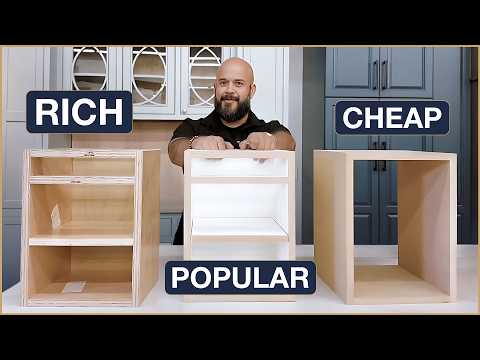
Full replacement means removing everything—boxes, doors, hardware—and installing entirely new cabinetry from the ground up. This approach is necessary when existing boxes are damaged, warped, or built with low-quality materials like particleboard. It also allows you to reconfigure your layout entirely, adding features such as lazy Susans, pull-out spice racks, or oversized pantry pullouts that simply cannot be retrofitted into existing boxes.
Choosing the Right Materials and Finish
The material you select for your cabinet remodeling project directly affects durability, maintenance, and long-term satisfaction. Here is a breakdown of the most common options homeowners consider:
- Solid Wood: Oak, maple, cherry, and birch offer exceptional durability and a timeless look. Solid wood can be sanded, refinished, and repainted multiple times, making it the most versatile choice for long-term kitchen remodeling.
- MDF (Medium-Density Fiberboard): MDF cabinet doors resist warping and provide an ultra-smooth surface ideal for painted finishes. However, they are heavier and less moisture-resistant than solid wood.
- Plywood: For cabinet boxes themselves, plywood is the gold standard. It holds screws firmly, handles moisture better than particleboard, and maintains structural integrity over decades of daily use.
- Thermofoil: A vinyl laminate applied to MDF, thermofoil gives a seamless, high-gloss look at a lower price point. It is easy to clean but can peel near heat sources over time.

When selecting a finish, consider both your design vision and your lifestyle. Matte and satin finishes hide fingerprints and imperfections better than high gloss, while open-grain woods like oak add texture and character that closed-grain maple cannot replicate.
Cabinet Remodeling Cost Breakdown
Understanding what drives cabinet remodeling costs helps you allocate your budget wisely and avoid surprise expenses. The table below summarizes average cost ranges based on project type and kitchen size.
| Project Type | Average Cost Range | Cost per Linear Foot | Best For |
| Door and Hardware Swap | $1,500 – $5,000 | $15 – $50 | Cosmetic refresh on a budget |
| Cabinet Refacing | $4,000 – $12,000 | $40 – $100 | New look, existing boxes intact |
| Partial Replacement | $8,000 – $20,000 | $100 – $250 | Updating select zones or island |
| Full Cabinet Replacement | $15,000 – $40,000+ | $150 – $400+ | Complete layout overhaul |
Labor typically accounts for 30 to 40 percent of total costs for full replacement projects. Refacing jobs generally have lower labor requirements since the boxes stay in place. Always request itemized quotes from at least three contractors so you can compare materials, labor rates, and scope of work transparently.
Step-by-Step Cabinet Remodeling Process
Following a structured workflow keeps your cabinet remodel on track and prevents costly mistakes. Here is the typical sequence for a full replacement project:
- Measure and Plan: Take precise measurements of every wall, corner, and ceiling height. Create or update your kitchen layout using software or graph paper. Decide on cabinet configurations—base, wall, tall pantry, and specialty units.
- Set Your Budget and Select Materials: Choose your wood species, finish type, door style, and hardware. Order samples to see them in your actual kitchen lighting before committing.
- Order Custom or Stock Cabinets: Custom cabinets typically require four to eight weeks for production. Stock cabinets can ship in as little as one to two weeks. Semi-custom options offer a middle ground with more finish and configuration flexibility.
- Demolition: Remove existing cabinet doors, drawers, and boxes carefully. Protect countertops and flooring with drop cloths. Salvage any reusable hardware for donation or future projects.
- Installation: Begin with wall cabinets, securing them to studs with a level. Install base cabinets next, plumbing-in any necessary adjustments for sink and dishwasher clearance. Finally, install tall pantry units and any specialty pieces.
- Finishing Touches: Attach doors, drawer fronts, and hardware. Adjust hinges for perfect alignment. Install crown molding and fill gaps with matching wood filler or caulk.
Expert Tips for Cabinet Remodeling Success
- Invest in soft-close hinges and drawer slides. They eliminate slamming, reduce wear on both the cabinetry and your countertops, and dramatically improve the user experience. Premium hardware brands like Blum and Hettich are industry standards for longevity.
- Do not skip the lighting plan. Recessed LED strip lights inside upper cabinets or under toe kicks add depth and ambiance that make your newly remodeled kitchen feel premium. Plan wiring before cabinets go up.
- Consider the paint color and finish carefully. Two-tone cabinetry—white upper cabinets with navy or charcoal lower cabinets—continues to trend strongly and adds visual depth without requiring a complete layout change.
- Work with a professional designer even for partial projects. A single consultation can reveal layout inefficiencies you never noticed, such as insufficient counter space around the stove or poor workflow between the sink, stove, and refrigerator.
Common Mistakes to Avoid
Even experienced DIY homeowners can fall into traps during a cabinet remodeling project. Avoid these pitfalls: skipping the waterproofing membrane behind wall cabinets in splash zones, underestimating the time needed for paint or finish curing, ordering cabinets without verifying ceiling height clearance, and choosing a finish that clashes with your countertop material rather than complementing it. Taking shortcuts on structural integrity—such as using screws that are too short or mounting cabinets into drywall instead of studs—will lead to sagging doors and drawers within months.
Conclusion
Cabinet remodeling sits at the sweet spot of high visual impact and manageable investment. Whether you choose a simple door swap, a comprehensive refacing project, or a full custom replacement, the key is aligning your approach with your budget, your kitchen’s structural reality, and your long-term design goals. Take the time to research materials, compare quotes, and plan your workflow carefully, and you will walk into a kitchen that feels completely new—without the chaos and expense of a total home overhaul. Your cabinets are not just storage; they are the architectural backbone of your kitchen, and getting them right transforms everything around them.
Frequently Asked Questions
How long does a cabinet remodeling project typically take? A door-and-hardware swap can be completed in a single weekend. Cabinet refacing usually takes two to four days for an average kitchen. Full cabinet replacement generally spans one to three weeks depending on the complexity of the layout, custom order lead times, and whether any structural adjustments to the wall or floor are required.
Can you paint existing cabinets instead of replacing them? Yes, painting existing cabinets is one of the most cost-effective cabinet remodeling strategies available. However, proper surface preparation—including thorough cleaning, light sanding, primer application, and multiple coats of durable enamel paint—is essential for a finish that lasts. For best results, consider hiring a professional cabinet painting service if you lack experience with spray equipment.
What is the difference between refacing and refinishing cabinets? Refinishing involves keeping your existing cabinet doors and boxes but stripping and reapplying a new finish, such as staining or repainting. Refacing replaces the exterior surfaces—doors, drawer fronts, and side panels—while leaving the original cabinet boxes intact. Refacing typically delivers a more dramatic visual change, while refinishing preserves your existing door profiles and is best suited for structural improvements rather than style changes.
Are shaker-style cabinets still a good choice for modern kitchen remodeling? Shaker-style cabinets remain one of the most versatile and popular door profiles in cabinet remodeling because of their clean lines, recessed center panel, and timeless proportions. They pair beautifully with both traditional and contemporary interiors, accept a wide range of paint and stain finishes, and complement virtually any countertop and backsplash combination.
What is the average ROI for a kitchen cabinet remodel? According to the National Association of Realtors’ Cost vs. Value Report, a minor kitchen remodel—typically involving cabinet refacing or door replacement—recovers approximately 70 to 80 percent of the investment at resale. A major kitchen overhaul involving full cabinet replacement recovers roughly 55 to 65 percent. The exact ROI depends on your local real estate market, the quality of materials used, and the overall condition of your home.