


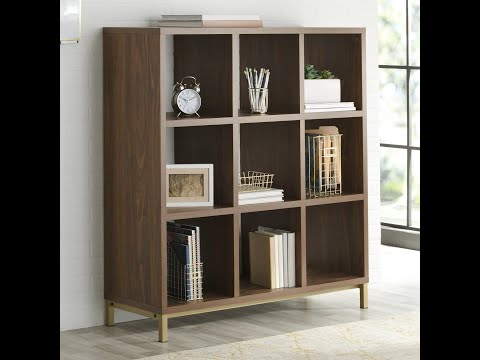
When it comes to transforming cluttered living spaces into beautifully organized sanctuaries, few design resources have earned as much household trust as Better Homes and Gardens. For decades, this iconic brand has championed practical yet stylish storage solutions, and at the center of that philosophy sits the cube organizer. Whether you are furnishing a first apartment, refreshing a family room, or adding modular storage to a home office, the cube organizer Better Homes and Gardens recommends blends form, function, and versatility in ways few other furniture pieces can match. This guide explores everything from the design principles behind these organizers to real-world styling tips that reflect the expert eye of Better Homes and Gardens editors.
What Exactly Is a Cube Organizer from Better Homes and Gardens?
A cube organizer is a modular furniture unit composed of individual square or rectangular compartments, often arranged in a grid formation. Better Homes and Gardens frequently highlights these storage systems because they adapt to virtually any room, budget, or design aesthetic. Unlike fixed shelving, the cube format allows you to customize configurations, swap out accessories, and adjust storage depth based on your needs. The brand’s editorial team often features cube organizers in its furniture guides, room makeover spreads, and budget-friendly storage articles, cementing the cube organizer Better Homes and Gardens connection as a go-to reference for homeowners.
These units typically come in materials like wood, MDF, fabric-covered frames, wire, and rattan. Better Homes and Gardens emphasizes selecting a material that complements your existing décor while standing up to daily use. A fabric cube bin works beautifully in a child’s bedroom, while a solid wood cube shelf unit anchors a sophisticated living room display.
Why Cube Organizers Remain a Design Staple
The enduring popularity of cube organizers stems from their remarkable flexibility. Better Homes and Gardens design experts point to several reasons these storage units have remained relevant for years:
- Modular flexibility: You can stack, line up, or arrange cube units in L-shapes, U-shapes, or freestanding configurations.
- Budget accessibility: Cube organizers span a wide price range, making them accessible for renters and homeowners alike.
- Visual balance: The grid structure creates a clean, ordered look that instantly declutters a visual space.
- Multi-functional use: From displaying books and plants to housing toys, paperwork, and electronics, cube compartments serve countless purposes.
- Easy maintenance: Most cube storage units are simple to assemble, clean, and reconfigure as your needs evolve.

Better Homes and Gardens consistently notes that the secret to a successful cube organizer setup is intentionality — every cube should serve a purpose or contribute to the room’s overall aesthetic harmony.
Types of Cube Organizers Featured in Better Homes and Gardens
1. Wooden Cube Bookshelves
The classic wooden cube bookshelf is a staple in Better Homes and Gardens living room features. These units often showcase warm wood tones, clean lines, and the ability to double as a room divider. Editors recommend pairing open cubes with woven baskets for hidden storage and decorative objects for visual interest.
2. Fabric Cube Storage Benches
Fabric-covered cube organizers with bench-style seating offer a clever two-in-one solution. Better Homes and Gardens highlights these in entryway and bedroom guides because they provide both a place to sit and concealed storage for shoes, blankets, or seasonal gear.
3. Cube Room Dividers
One of the most popular applications the magazine covers is using a cube organizer as a room divider. In studio apartments and open-plan layouts, a multi-cube unit placed perpendicular to the space creates distinct zones without closing off natural light or flow.
4. Plastic and Fabric Cube Bins for Kids’ Rooms
Better Homes and Gardens frequently features cube storage systems in nurseries and children’s rooms because the compartmentalized design teaches kids to organize independently. Brightly colored fabric bins, labeled shelves, and low-profile units keep safety front of mind.
How to Choose the Right Cube Organizer for Your Space
Selecting the ideal cube organizer requires balancing several practical factors. Better Homes and Gardens editors suggest walking through these considerations before making a purchase:
- Measure your available space: Always measure the wall area, floor space, or corner where the unit will sit. Leave at least 2 to 3 inches of clearance on each side for ventilation and easy access.
- Determine your primary storage need: Are you organizing books, toys, blankets, office supplies, or decorative items? Heavier items require sturdier cube walls and secure anchoring.
- Match the material to your lifestyle: Wood and solid materials suit high-traffic areas. Fabric bins work well for lightweight, frequently swapped items.
- Consider assembly complexity: If you rent or move often, opt for lightweight, tool-free assembly cube systems that Better Homes and Gardens reviewers frequently rate highly for convenience.
- Think about the color palette: Neutral cube organizers integrate seamlessly into existing décor, while bold-colored bins can serve as a room’s accent element.

Best Rooms for Cube Organizers — Expert Recommendations
Better Homes and Gardens room design features consistently showcase cube organizers across multiple spaces:
- Living rooms: Use a tall cube bookshelf to display curated décor, framed photos, and books while hiding remote controls and electronics inside closed cubes.
- Home offices: Cube organizers keep files, binders, and office supplies sorted without cluttering desks. Add drawer inserts for a polished workstation look.
- Kids’ bedrooms: Low cube units with colorful bins encourage children to participate in tidying up.
- Entryways: A cube storage bench near the door captures shoes, umbrellas, and daily essentials.
- Playrooms: Open cube systems allow kids to access toys easily, and matching bins keep cleanup fast and simple.
Styling Tips from Better Homes and Gardens Editors
Even the best cube organizer looks cluttered without thoughtful styling. Better Homes and Gardens interior design professionals share these expert tips:
- Use the rule of thirds: Arrange objects in groups of three — a tall vase, a stack of books, and a small plant create visual balance on each cube shelf.
- Incorporate varying heights: Place taller items at the back and shorter pieces in front to add dimension and depth.
- Add personal touches: Frame family photos, display travel souvenirs, or showcase favorite artwork to make each cube feel intentional rather than purely functional.
- Use baskets and bins strategically: Woven baskets soften the look of open cubes while concealing items that lack visual appeal.
- Rotate seasonally: Swap out decorative elements with the seasons — spring florals, autumn candles, winter greenery — to keep the display fresh.
- Anchor with lighting: Small LED strip lights or clip-on spotlights inside cubes add warmth and highlight curated displays.
Popular Cube Organizer Styles — A Comparison
| Style | Best For | Material | Price Range | Better Homes and Gardens Vibe |
| Wooden Cube Bookshelf | Living rooms, home offices | Solid wood, engineered wood | Mid to high | Classic, warm, timeless |
| Fabric Cube Storage Bench | Entryways, bedrooms | Fabric over frame, foam cushion | Low to mid | Practical, cozy, inviting |
| Cube Room Divider | Open-plan spaces, studios | Wood, fabric, MDF | Mid range | Versatile, space-smart |
| Plastic Cube Bins | Kids’ rooms, playrooms | Plastic, molded fabric | Low | Fun, colorful, durable |
| Woven Rattan Cube Shelf | Bohemian or Mediterranean interiors | Rattan, natural fiber | Mid range | Earthy, textured, artisanal |
Maintenance and Longevity Tips
A cube organizer is a long-term investment in your home’s organization. Better Homes and Gardens advises treating it with care to extend its lifespan:
- Dust regularly: Use a microfiber cloth to clean cube shelves weekly, especially if you display collectibles or books that attract dust.
- Avoid moisture exposure: Wooden units should stay away from direct sunlight and damp areas to prevent warping or fading.
- Anchor to walls when possible: This is especially important in homes with children or pets, and Better Homes and Gardens safety guidelines consistently recommend securing tall cube shelving units.
- Replace worn fabric bins: Fabric cubes can be refreshed with new liners or replacement bins when the original shows wear.
- Reorganize seasonally: Shuffling contents prevents the unit from becoming a dumping ground and keeps your storage system functional.
Frequently Asked Questions
What is the best cube organizer size for a small apartment?
Better Homes and Gardens recommends a compact 3×3 cube configuration for small apartments. This footprint provides ample storage without overwhelming the room. Look for units around 30 to 36 inches tall and wide, which fit neatly in corners or against walls without blocking pathways or natural light.
Can you use a cube organizer as a TV stand?
Yes, many cube organizers work well as TV stands, especially open-wood designs with deeper cubes that accommodate electronics and media devices. Better Homes and Gardens suggests adding a back panel or fabric drape to conceal cords and create a polished, magazine-worthy display.
What is the best way to secure a tall cube organizer to prevent tipping?
Always use wall-anchoring brackets or anti-tip straps that come included with most quality cube organizers. Better Homes and Gardens safety experts stress securing tall cube shelving units, particularly in homes with young children or pets, to prevent accidents. Install anchors into wall studs rather than relying solely on drywall anchors.
Are cube organizers from Better Homes and Gardens available for purchase?
Better Homes and Gardens itself publishes curated furniture recommendations and sometimes offers branded storage products through licensed retailers. However, the magazine primarily features third-party cube organizers from top brands, providing detailed reviews, style ratings, and budget comparisons in each issue and on its digital platform.
How do you style an open cube organizer without it looking cluttered?
The key lies in editing. Better Homes and Gardens design editors suggest limiting each cube to three to five items, mixing textures and heights, and leaving some cubes empty to create breathing room. Using matching bins or baskets in every other compartment adds rhythm while keeping the overall look intentional and serene.
Final Thoughts
The cube organizer Better Homes and Gardens celebrates is far more than a piece of furniture — it is a design tool that brings order, personality, and intention to any living space. Whether you gravitate toward the warmth of a wooden cube bookshelf, the practicality of a fabric storage bench, or the creative freedom of a woven rattan shelf unit, the principles remain the same: measure your space thoughtfully, choose materials that suit your lifestyle, and style each cube with purpose. By following the expert guidance and styling insights shared in Better Homes and Gardens, you can turn a simple cube storage system into the organizational backbone of a home that feels curated, welcoming, and beautifully functional.