When most people think of a garden, they picture flower beds, trimmed hedges, or a peaceful patch of green behind a house. But the truth is that defining gardens goes far deeper than that surface-level image. A garden is not simply a collection of plants arranged in rows or a decorative outdoor space you maintain on weekends. It is a deliberate, purposeful creation — a living design that reflects intention, ecology, culture, and personal expression. Whether you are a beginner planning your first flower border or a seasoned landscape architect drafting a commercial property, understanding what truly defines a garden can transform the way you approach every planting decision, hardscape choice, and seasonal maintenance routine.
What Is a Defining Garden? Understanding the Core Concept
At its simplest, a garden is a planned space dedicated to the cultivation and display of plants. But that definition barely scratches the surface. A defining garden is one that has a clear identity — a reason for existing, a design philosophy guiding it, and a structure that makes its purpose unmistakable. Think of iconic gardens like the English cottage garden, the Japanese zen garden, or the French formal garden. Each of these is immediately recognizable because it is defined by specific principles, plant palettes, and spatial arrangements.
What separates a generic green space from a truly defined garden is intentionality. A lawn with a few scattered trees is not a garden. A patch of vegetables in a raised bed can be a garden — but only if it is designed with purpose. The act of defining a garden means establishing its boundaries, its theme, its functional goals, and its aesthetic character before a single plant is placed.
The Historical Roots of Garden Definitions
Gardens have been defined by civilizations for thousands of years. Ancient Egyptian gardens were defined by symmetry, irrigation channels, and shade-giving trees. Roman villa gardens were structured around peristyle courtyards and geometric planting beds. The medieval European monastic gardens were defined by their medicinal and culinary function. Understanding these historical contexts helps us appreciate that every garden definition is shaped by culture, climate, and available resources.
Today, modern gardeners draw from this rich legacy. When you set out to define your garden space, you are participating in a tradition that spans continents and centuries. The key is to be intentional about what kind of garden you want and why it matters to you.
Key Elements That Define a Garden
Every well-defined garden incorporates several core elements. These components work together to create coherence, beauty, and function. Here are the essential building blocks:
- Boundaries and Edges — Walls, fences, hedges, pathways, and water features create the physical and visual limits of a garden. Without clear boundaries, a space feels undefined and chaotic.
- Focal Points — A defining garden always has something that draws the eye — a sculpture, a mature tree, a water feature, or a vibrant flower cluster.
- Plant Selection and Arrangement — The choice of plants, their colors, textures, heights, and seasonal behavior defines the character of any garden.
- Hardscaping — Paths, patios, retaining walls, and pergolas provide structure and guide movement through the space.
- Functional Zones — A well-defined garden includes areas for relaxation, growing food, pollinator attraction, or recreation.
- Soil and Ground Cover — The underlying soil structure and ground-level materials shape everything else in the garden ecosystem.
Each of these elements contributes to the overall garden definition. Remove any one of them and the space loses its coherence and identity.
Plants and Planting Design as a Defining Force
Plants are the heart of any garden, but they are more than just decoration. The way plants are selected, grouped, and arranged fundamentally defines the garden style. A cottage garden relies on dense, informal drifts of perennials and self-seeding annuals. A modern minimalist garden uses architectural specimen plants with generous spacing and clean lines. A native plant garden is defined entirely by regionally appropriate species arranged to support local wildlife.
When choosing plants to define your garden, consider factors like mature size, bloom time, color palette, texture contrast, and maintenance requirements. The best-defined gardens plan for year-round interest — not just a single spectacular season.
Types of Defining Gardens
Different garden styles carry different definitions and purposes. Below is a comparison of the most popular garden types and what fundamentally defines each one:
| Garden Type | Defining Characteristic | Primary Function | Typical Plants |
| Cottage Garden | Lush, informal, overflowing plantings | Aesthetic beauty, fragrance | Roses, lavender, hollyhocks, herbs |
| Formal Garden | Symmetry, geometric precision, structure | Display, elegance | Topiary, boxwood, gravel beds |
| Japanese Zen Garden | Minimalism, natural materials, contemplation | Meditation, tranquility | Moss, raked gravel, bonsai, stones |
| Culinary Vegetable Garden | Productive, organized rows or beds | Food production | Tomatoes, herbs, root vegetables |
| Pollinator Garden | Native species, continuous bloom, habitat | Ecological support, biodiversity | Milkweed, coneflower, salvia, goldenrod |
| Rock Garden | Drought-tolerant plants, stone integration | Low maintenance, alpine display | Sedums, alpine bulbs, creeping thyme |
Each type of garden is defined by a set of non-negotiable principles. Trying to mix too many conflicting styles without a unifying vision often results in a garden that feels undefined and disjointed.
How to Design a Garden That Truly Defines Its Purpose
Designing a garden with clear definition requires a structured approach. Follow these steps to create a space that feels intentional and cohesive from the very first visit:
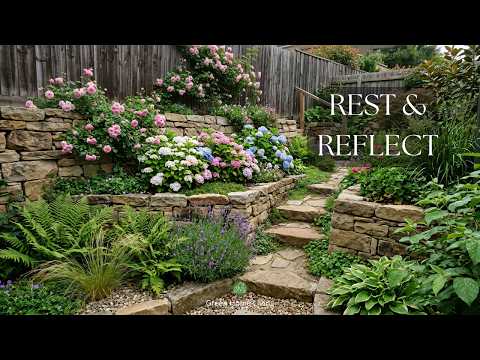
- Identify Your Core Purpose — Ask yourself why you want a garden. Is it for relaxation, food production, wildlife support, aesthetic beauty, or a combination of these? Your purpose shapes every subsequent decision.
- Assess Your Site Conditions — Observe sunlight patterns, soil drainage, wind exposure, and microclimates across your space throughout the day and across seasons.
- Choose a Style or Theme — Select a garden style that resonates with you and suits your environment. This theme becomes the lens through which every design choice is filtered.
- Create a Layout Sketch — Map out zones, pathways, focal points, and planting areas on paper or using design software before breaking ground.
- Select Plants and Materials Intentionally — Choose plants that thrive in your conditions and align with your chosen style. Match hardscape materials to the overall aesthetic.
- Build in Phases — Great gardens are never completed overnight. Develop your space in logical stages, allowing each phase to establish before adding the next.
- Document and Evaluate — Keep a garden journal to track what works, what struggles, and what adjustments are needed each season.
This methodical process ensures that your garden has a clear, consistent identity from the moment you step onto the property.
Expert Tips for Maintaining a Well-Defined Garden
Creating a defined garden is only half the battle. Maintaining that definition over time requires ongoing attention and smart practices. Here are some expert recommendations:
- Prune with purpose. Every cut should reinforce the garden’s structure and intended shape. Random pruning undermines definition.
- Edge your beds regularly. Clean borders between lawn and planting areas instantly sharpen a garden’s visual identity.
- Refresh mulch annually. A consistent mulch layer suppresses weeds, retains moisture, and gives planting beds a finished, intentional look.
- Remove self-seeding plants that disrupt the design. Enthusiastic volunteers can overwhelm a carefully planned layout if left unchecked.
- Rotate annuals seasonally to maintain visual interest. A defined garden should never look tired or repetitive for long stretches.
- Audit hardscape elements each spring. Repair cracked pavers, re-level pathways, and refresh structural features before the growing season begins.
These habits preserve the clarity and intentionality that make a garden feel truly defined rather than just planted.
Frequently Asked Questions
What defines a garden compared to a yard or a lawn?
A garden is distinguished from a yard or lawn by its intentional design, purposeful plant selection, and defined structure. A yard is a general term for any outdoor area around a home, while a lawn refers specifically to turfgrass. A garden, by contrast, is a curated, living space with a clear identity and function.

How do I choose the right garden style for my property?
Consider your climate zone, the amount of sunlight your space receives, your soil type, and your personal aesthetic preferences. Research garden styles that thrive in your region and match your lifestyle — whether that means a low-maintenance rock garden or a high-productivity culinary plot.
Can a small space have a well-defined garden?
Absolutely. Garden definition is not about square footage — it is about intentionality. A container garden on a balcony or a single raised bed with a clear theme can be just as powerfully defined as a sprawling estate landscape.
What role does hardscaping play in defining a garden?
Hardscaping provides the structural skeleton of any garden. Pathways, walls, patios, and water features create spatial organization, direct movement, and anchor the plantings. Without hardscape elements, even the most beautiful plants can feel scattered and undefined.
How often should I redefine or refresh my garden design?
A thorough garden reassessment every three to five years is ideal. However, seasonal adjustments — such as rotating annuals, dividing overgrown perennials, or updating mulch — should happen annually. Gardens are living systems that evolve, and their definitions should evolve with them.
Conclusion
Understanding how to define a garden is one of the most valuable skills any gardener or landscape designer can develop. It transforms random planting into purposeful design, empty outdoor space into a meaningful living environment, and a simple hobby into a deeply rewarding practice. Whether you are working with a quarter-acre lot or a modest backyard bed, the principles of intentional definition apply equally. Set your purpose, choose your style, select your elements with care, and maintain that vision over time. The result will be a garden that is not just beautiful — it is unmistakably, authentically yours.