Creating a coffee bar for small spaces has become one of the most exciting trends in home design, and it is easy to see why. Whether you live in a compact apartment, a studio, or simply want to reclaim your kitchen counter, a thoughtfully designed coffee station can transform your daily routine while adding genuine character to your home. The good news is that you do not need a sprawling kitchen or a dedicated dining room to build the coffee bar of your dreams. With smart planning, creative storage solutions, and the right equipment choices, even the tiniest nook can become your personal café. In this guide, we will walk you through proven coffee bar ideas for small spaces, from beginner-friendly setups to advanced configurations that maximize every square inch.
Why a Small Space Coffee Bar Still Wins
You might wonder whether a coffee bar in a small area is even worth the effort. The answer is a resounding yes. A compact coffee station keeps your brewing essentials organized, eliminates the clutter of multiple appliances scattered across your counters, and dramatically reduces the time between waking up and enjoying your first cup. Beyond functionality, a small coffee bar adds a focal point to any room, boosting both aesthetic appeal and property value. Think of it as a micro-kitchen upgrade that punches well above its weight in terms of daily enjoyment and visual impact.
What makes these setups so effective is that they prioritize vertical storage, multi-purpose furniture, and smart layout decisions. Every element serves a purpose, and nothing is wasted. You will find that even a 2-foot-wide section of wall or a narrow corner can house everything from your grinder to your mug collection.
Choosing the Perfect Location for Your Coffee Bar
Location is the single most important decision when designing a coffee bar for small spaces. You need a spot that is convenient, well-ventilated (if using a hot espresso machine), and visually distinct enough to feel like a dedicated zone rather than a cluttered extension of your kitchen.
Wall-Mounted Coffee Stations
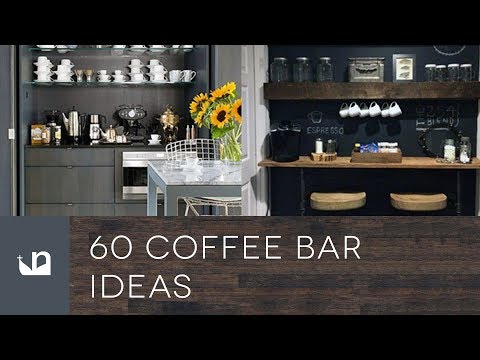
Wall-mounted setups are arguably the most space-efficient option available. By mounting a narrow shelf or a custom-built bracket directly onto an otherwise dead wall, you create an instant coffee station without sacrificing any floor space. These installations typically include a small top shelf for your machine, a lower shelf for supplies, and hooks underneath for mugs and stirring spoons.
Best practices for wall-mounted stations include:
- Choose a wall near an electrical outlet to avoid cord clutter
- Use floating shelves at varying heights for visual depth
- Install a small pegboard above the shelf for hanging accessories
- Consider adding a narrow strip of LED lighting for ambiance
Corner Coffee Bars
Every room has at least one awkward corner that goes mostly unused. A corner coffee bar turns that wasted space into a functional and inviting spot. L-shaped corner shelves or custom-built corner cabinets can hold a compact pour-over setup, a French press, or even a small espresso machine. The triangular footprint fits naturally into the corner geometry, leaving the rest of your room open and free.

Best Coffee Bar Ideas for Small Spaces
Floating Shelf Coffee Bars
Floating shelves are the backbone of many successful tiny coffee bars. Install two or three shelves at staggered heights above a narrow counter or sideboard, and you instantly have a stylish, open display for your brewing equipment. Pair these shelves with a small tray to corral your coffee beans, filters, and sweeteners, keeping the visual presentation clean and intentional.
For a beginner-friendly approach, start with two shelves: one at counter height for your daily driver (a drip machine or pour-over setup) and one above for your mug collection and decorative touches. Intermediate users can add a third shelf for backup equipment and specialty accessories like a milk frother or flavored syrup collection.
Repurposed Furniture Coffee Bars
One of the most creative coffee bar ideas for small spaces involves repurposing furniture you already own. An old dresser with its top drawer removed becomes a charming lower cabinet for storing beans and accessories, while the remaining drawers hold mugs and brewing tools. A narrow bookshelf, a rolling cart, or even a vintage stepladder can be transformed into a functional and unique coffee station.
This approach is especially popular among renters who cannot make permanent modifications. A rolling cart, for instance, can be positioned wherever you need it, tucked away when not in use, and still hold a pour-over dripper, a hand grinder, and a small kettle with ease.
Compact Espresso Cart Ideas

If espresso is your passion, a compact espresso cart is a game-changer. These narrow rolling units typically measure 12 to 18 inches wide, making them perfect for tight spaces. Many espresso carts come with built-in storage for pods, a small drip tray, and a handle shelf. Look for models with locking wheels so your cart stays stable during the morning rush but can be rolled into a closet or pantry when guests visit.
Advanced users should consider carts with a built-in water reservoir or the ability to connect to a nearby sink, which eliminates the need to carry heavy water jugs across the room every time you pull a shot.
Essential Equipment for a Small Space Coffee Bar
Space constraints demand careful equipment choices. Every item on your coffee bar needs to justify its footprint. Here are the essentials organized by priority:
- A compact brewing method — A pour-over cone, AeroPress, or single-serve pod machine takes up far less room than a full drip brewer
- A hand or burr grinder — Freshly ground coffee makes an enormous difference in flavor, and a small grinder fits easily on any shelf
- A gooseneck kettle — Essential for pour-over brewing, these kettles are slim and store neatly in a drawer or on a hook
- A milk frothing tool — A small handheld frother or a compact steam wand attachment saves space compared to a full espresso machine
- Magnetic or hook-based storage — Use magnetic tins for coffee beans and hooks for mugs to maximize vertical efficiency
Design and Décor Tips for Tiny Coffee Bars
Your small coffee bar should feel like an escape, not another cluttered surface. Start by choosing a cohesive color palette — warm wood tones, matte black fixtures, or soft white cabinetry all work beautifully. Add a small plant, a framed print of your favorite coffee destination, or a decorative tray to tie everything together.
Lighting matters more than most people realize. A single strip of warm LED tape under a shelf creates a cozy glow that makes your morning ritual feel genuinely special. Keep décor minimal and intentional; too many decorations will make a tiny space feel cramped rather than curated.
Comparison: Small Space Coffee Bar vs. Full-Size Home Café
| Feature | Small Space Coffee Bar | Full-Size Home Café |
| Floor Space Required | 2–6 square feet | 20–40 square feet |
| Equipment Capacity | 1–2 brewing methods | Multiple machines and grinders |
| Setup Time | 1–3 hours | 1–2 weeks |
| Cost Range | $50–$300 | $500–$3,000+ |
| Ideal For | Apartments, studios, offices | Dedicated rooms, large kitchens |
| Customization Level | Moderate | High |
As the table above shows, a small space coffee bar delivers remarkable value. You get the core benefits of a dedicated brewing station at a fraction of the cost and space commitment. The trade-off is fewer simultaneous brewing options, but for most home users, a single high-quality setup is more than sufficient.
Conclusion
Building a coffee bar for small spaces is one of the most rewarding DIY home projects you can undertake. Whether you choose a wall-mounted floating shelf, a repurposed piece of furniture, or a compact espresso cart, the key is to design with intention. Measure your available space carefully, choose equipment that fits both physically and functionally, and let your personal taste guide the aesthetic decisions. A well-designed small coffee bar will not only improve your daily coffee experience but will also become a beloved focal point in your home that guests notice and admire. Start small, iterate as you learn what works for your routine, and enjoy the journey of building a space that truly fuels your mornings.
Frequently Asked Questions
What are the best coffee bar ideas for small apartments?
The best options for small apartments include wall-mounted floating shelves, rolling espresso carts, and corner L-shaped units. These designs use vertical space, require minimal floor footprint, and can be customized to match any apartment aesthetic. A narrow console table positioned against a hallway wall also works wonderfully as a daily coffee station.
How do I organize a tiny coffee bar with limited storage?
Focus on magnetic storage solutions, hanging hooks, and stackable containers. Use the inside of cabinet doors for spice rack-style bean storage, install under-shelf baskets to double your shelf capacity, and choose equipment with built-in storage like a kettle with a handle that hooks onto a rail. Every inch of vertical space should be considered storage real estate.
Can I build a coffee bar in a hallway or closet?
Absolutely. Hallways and closets are excellent locations for a narrow coffee bar because they are often underutilized. In a closet, install a slim pegboard for hanging mugs and tools, add a small shelf for your machine, and ensure proper ventilation if you use a hot brewing method. A hallway coffee bar can be as simple as a wall-mounted shelf with a small tray and a couple of hooks.
What equipment is essential for a beginner small space coffee bar?
Start with a pour-over setup or a compact drip machine, a hand grinder, a gooseneck kettle, and two or three quality mugs. These four items cover all essential brewing needs while fitting on a single narrow shelf. As your confidence grows, you can add a milk frother or upgrade to a compact espresso machine.
How much does it cost to set up a coffee bar for a small space?
Costs range widely depending on your choices. A budget-friendly setup using repurposed furniture and a basic pour-over kit can cost as little as $50 to $80. A mid-range configuration with a quality grinder, compact espresso machine, and custom shelving runs between $150 and $400. High-end small coffee bars with premium equipment and built-in cabinetry can reach $500 to $800, though this is rare for truly compact setups.