


There is something deeply satisfying about transforming a raw piece of lumber into a functional or decorative item with your own hands. Whether you are a weekend hobbyist looking for weekend warrior projects or a seasoned craftsperson hunting for inspiration, the world of cool projects to make with wood offers nearly unlimited creative possibilities. From simple cutting boards that make perfect homemade gifts to intricate live-edge coffee tables that become the centerpiece of a living room, woodworking combines practicality with artistic expression. In this guide, we will walk you through the best wood projects organized by skill level, recommend the ideal wood species for each build, and share expert tips that will elevate your craftsmanship from good to exceptional.
Why Woodworking Projects Continue to Surge in Popularity
The rise of DIY culture, social media platforms like Pinterest and TikTok, and a renewed appreciation for handmade goods have fueled an incredible resurgence in woodworking. People are craving tangible creative outlets in an increasingly digital world. Building something with wood offers a meditative, screen-free experience that results in a usable or displayable product. The best part is that you do not need a professional workshop to get started. Many cool wood projects require only basic tools, a small workspace, and a willingness to learn. The sense of accomplishment that comes from completing a handmade wood item is unmatched by purchasing something from a store.
Easy Cool Wood Projects for Beginners
If you are just starting out in woodworking, choosing projects that build fundamental skills without overwhelming complexity is essential. These beginner-friendly wood craft ideas will help you develop confidence while producing items you will genuinely want to use or display.
1. Wooden Cutting Board
A hardwood cutting board is one of the most satisfying first projects. You can practice cutting straight lines, gluing panels, and sanding to a smooth finish. Start with maple, walnut, or cherry wood for a beautiful and food-safe result. The process involves cutting strips, gluing them together, trimming to size, rounding edges, and applying a food-grade mineral oil finish.
2. Floating Wood Shelves
Floating shelves are deceptively simple but deliver a huge visual impact. They require minimal tools — a saw, a drill, and a level — and teach essential skills like precise measuring and wall mounting. These handmade wood items look stunning in living rooms, bedrooms, and home offices.
3. Rustic Wooden Plant Stand
A plant stand made from reclaimed wood or dimensional lumber adds warmth to any indoor space. This project involves basic joinery and finishing techniques. It is an excellent way to experiment with stains and protective topcoats.
Intermediate Woodworking Projects Worth Trying
Once you have mastered the basics, intermediate projects challenge you to refine your skills and explore more complex techniques like joinery, routing, and detailed finishing.
4. Wooden Serving Tray
A serving tray with handles is a step up from a cutting board. You can incorporate routed edges, decorative inlays, or even a leather handle wrap. This project teaches precision and introduces you to decorative router bits and edge profiling.
5. Floating Wooden Wall Clock
Building a wall clock from wood involves working with clock mechanisms, drilling precise holes, and creating a visually striking design. This is a fantastic gift idea and a project that allows for significant creative freedom.
6. Wooden Wine Rack
From wall-mounted bottle racks to freestanding wine barrels, there are endless variations to explore. Intermediate builders can practice angled cuts, pocket-hole joinery, and staining techniques with this project.
Advanced Wood Projects for Experienced Builders
For those who have spent time at the workbench and want to push their limits, advanced woodworking projects deliver the most rewarding results. These builds demand precision, planning, and refined technique.
7. Live-Edge River Coffee Table
This is arguably one of the most popular cool wood projects in the DIY community. The live edge preserves the natural contour of the tree, while a resin river channel adds a stunning visual element. This project requires advanced sanding, epoxy resin pouring, and careful sealing techniques.
8. Handcrafted Dining Table
Building a dining table is the ultimate test of a woodworker’s skill. You must master mortise-and-tenon or tongue-and-groove joinery, ensure perfectly flat surfaces, and apply a durable finish that withstands daily use. Many woodworkers consider this the crowning achievement of their craft.
9. Wooden Jewelry Box with Dovetail Joints
A finely crafted jewelry box featuring hand-cut dovetail joints is a showpiece that demonstrates mastery. The small scale of this project means every measurement and cut must be precise, making it an excellent exercise in discipline.
Best Wood Species for DIY Wood Projects
Choosing the right wood species is critical to the success and beauty of your project. Different woods offer varying grain patterns, hardness levels, and finishing characteristics. Below is a comparison table to help you select the best material for your next build.
| Wood Species | Hardness | Best For | Price Range |
| Maple | Hard | Cutting boards, shelves, furniture | Mid-range |
| Walnut | Medium-Hard | Furniture, accent pieces, tables | Higher-end |
| Cherry | Medium | Cutting boards, jewelry boxes, decor | Mid-to-high |
| Pine | Soft | Shelf projects, rustic decor, practice | Budget-friendly |
| Teak | Very Hard | Outdoor furniture, cutting boards | Premium |
| Cedar | Soft | Outdoor projects, chests, planters | Budget-friendly |
Softwoods like pine and cedar are ideal for practice builds and outdoor projects, while hardwoods like maple, walnut, and cherry deliver the durability and aesthetic appeal needed for furniture and kitchen items. When selecting wood for your woodworking projects, always consider the wood grain direction, moisture content, and how the piece will be used in daily life.
Essential Tools and Expert Tips for Stunning Results
You do not need an expensive workshop to create beautiful wood craft ideas. Here is a practical checklist of tools and tips that will dramatically improve your results.

- Quality measuring tools: A reliable tape measure, combination square, and digital caliper ensure precision cuts and joins.
- A good saw: A table saw or circular saw handles most woodworking project builds. A jigsaw is useful for curved cuts.
- Sanding progression: Always sand in progressive grits from 80 up to 220 or higher for a glass-smooth finish.
- Wood glue and clamps: Invest in quality wood glue and a set of bar clamps. Proper clamping pressure is the difference between a weak joint and an unbreakable one.
- Finish matters: Experiment with Danish oil, polyurethane, or wax finishes depending on the piece’s intended use.
- Practice on scrap wood first: Test cuts, routes, and joinery techniques on scrap pieces before committing to your final material.
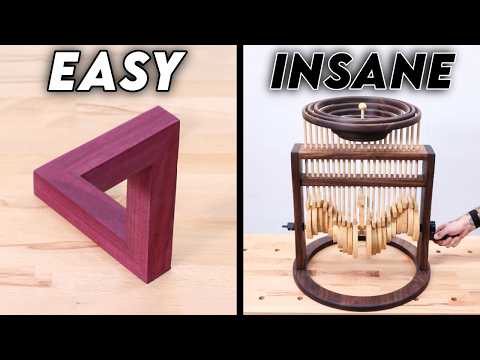
One of the most overlooked aspects of building cool projects with wood is proper wood preparation. Always let your lumber acclimate to your workshop environment for at least 48 hours before cutting. Wood that has not stabilized can warp, crack, or split after assembly, ruining hours of hard work.
Final Thoughts on Starting Your Next Woodworking Project
The beauty of cool projects to make with wood lies in the journey as much as the finished product. Each build teaches you something new — about grain behavior, tool handling, design principles, and patience. Start with a simple project that excites you, invest time in learning proper techniques, and gradually challenge yourself with more complex builds. The woodworking community is incredibly supportive, and there is always something new to learn, whether you are crafting your first cutting board or designing a custom dining table from scratch.
Remember that every expert woodworker started exactly where you are now. The most important step is the first one: pick a project that inspires you, gather your materials and tools, and start building. The satisfaction of creating something real with your hands is a reward that never fades.
FAQs: Cool Wood Projects and Woodworking Tips
What are the easiest cool wood projects to make at home?
Beginners should start with a wooden cutting board, floating shelves, or a rustic plant stand. These projects require minimal tools, basic measuring and cutting skills, and produce usable items that make great gifts or home decor additions.
What is the best wood species for beginner woodworking projects?
Pine and poplar are the most affordable and forgiving woods for beginners. They are soft enough to cut and sand easily but hard enough to produce a sturdy finished piece. As you gain confidence, transition to hardwoods like maple and walnut for more impressive results.
What tools do I need to start building cool wood projects?
A basic starter kit includes a quality circular saw or table saw, a drill/driver, a combination square, sandpaper in various grits, wood glue, clamps, and a tape measure. You do not need expensive machinery to create stunning handmade wood items.
How do I choose between hardwood and softwood for my project?
Consider the intended use and desired appearance. Hardwoods like oak, maple, and walnut are best for furniture, cutting boards, and high-wear items due to their durability. Softwoods like pine and cedar work well for decorative pieces, outdoor projects, and practice builds where cost savings matter.
Can I build cool wood projects without a professional workshop?
Absolutely. Many successful woodworkers build beautiful pieces in garages, spare bedrooms, or even outdoor workspaces. The key is ensuring you have adequate ventilation, a flat working surface, and enough space to safely handle tools and store materials. A small dedicated area is all you need to begin creating impressive DIY woodworking projects.