


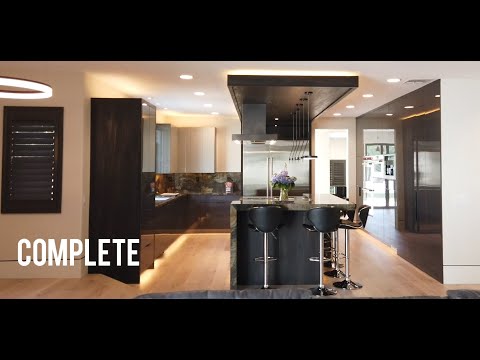

Your kitchen is the heart of your home — it’s where morning routines kick off, family dinners come together, and conversations linger long after the last plate is cleared. If you’ve been dreaming about a contemporary kitchen remodel, you’re joining millions of homeowners who recognize that a refreshed kitchen isn’t just an aesthetic upgrade; it’s a lifestyle transformation. Today’s contemporary kitchen designs blend sleek minimalism with warm functionality, creating spaces that feel editorial yet deeply livable. Whether you’re working with a cozy apartment kitchen or a sprawling open-concept layout, this guide covers everything you need to know — from foundational design principles and budgeting strategies to trending materials and expert-backed planning tips — to help you execute a remodel that’s as smart as it is stunning.
What Is a Contemporary Kitchen Remodel?

A contemporary kitchen remodel refers to updating your cooking space to reflect the design sensibilities of the present moment. Unlike modern kitchen design, which refers to a specific historical movement from the early-to-mid 20th century, contemporary kitchen design is fluid — it evolves with current trends, technologies, and cultural shifts. Right now, that means an emphasis on clean geometry, natural and engineered materials, integrated smart appliances, and open, light-filled layouts. A contemporary remodel doesn’t necessarily mean ripping everything out. Often, it involves strategically refreshing cabinetry surfaces, upgrading fixtures, reconfiguring the work triangle, and introducing a refined color palette that makes the entire space feel new without requiring a full gut renovation.
Why Modern Homeowners Are Choosing Contemporary Kitchen Designs
The surge in popularity of contemporary kitchen aesthetics isn’t random. Several lifestyle and design forces are converging to make this style the go-to choice for homeowners across the country.
- Open-concept living: Homes today prioritize flow. Contemporary kitchens naturally complement living rooms, dining areas, and home offices with their uncluttered visual profiles.
- Aging-in-place functionality: Smooth cabinetry hardware, lever-style faucets, and accessible counter heights are inherently part of contemporary design, making these kitchens more inclusive.
- Sustainability concerns: Recycled glass countertops, FSC-certified wood cabinetry, and energy-efficient appliances align seamlessly with eco-conscious contemporary philosophies.
- Resale value: According to the National Association of Realtors, a well-executed kitchen remodel recoups between 54% and 72% of its cost at resale, and contemporary styles appeal to the broadest buyer demographics.
Key Elements of a Contemporary Kitchen Remodel
Clean Lines and Minimalist Layouts
The backbone of any contemporary kitchen is visual simplicity. This means flat-panel or slab-style cabinets without raised panels or ornate molding. Hardware tends toward sleek bar pulls, integrated pushes, or even handleless designs where doors feature push-to-open mechanisms. Layouts favor open floor plans where the kitchen, dining, and living areas share a continuous space, often anchored by a large island or a streamlined peninsula that serves multiple functions — prep surface, casual dining, and storage.
High-End Materials and Finishes
Material selection is where contemporary kitchens truly distinguish themselves. Homeowners are gravitating toward:
- Quartz and engineered stone countertops — prized for their uniform veining, durability, and low maintenance.
- Matte and semi-gloss lacquer cabinet fronts — offering a sophisticated, fingerprint-resistant surface in muted tones like warm gray, off-white, or navy.
- Natural wood accents — often used as open shelving, floating shelves, or accent panels to inject warmth into otherwise cool palettes.
- Large-format porcelain tiles or polished concrete flooring — creating seamless, expansive visual ground planes.
- Brushed nickel, matte black, or unlacquered brass fixtures — providing understated metallic accents that age gracefully.
Smart Technology Integration
No contemporary kitchen remodel is complete without technology considerations. Built-in touchless trash bins, smart refrigerators with internal cameras, induction cooktops with precise temperature zones, and under-cabinet LED lighting systems controlled via app are all becoming standard expectations. Voice-controlled range hoods and automated pot fillers add layers of convenience that position your kitchen firmly in the present decade.
Budgeting for Your Contemporary Kitchen Remodel
Understanding where your money goes is critical to a successful remodel. Contemporary designs can range from budget-friendly refreshes to luxury transformations, so setting a realistic budget early is essential.
Cost Breakdown by Component
| Component | Average Cost Range | Budget Option | Premium Option |
| Cabinetry | $3,000 – $15,000 | RTA (ready-to-assemble) | Semi-custom or custom |
| Countertops | $1,500 – $6,000 | Laminate | Quartz or natural stone |
| Appliances | $3,000 – $12,000 | Mid-range brands | Professional-grade suites |
| Flooring | $800 – $5,000 | Luxury vinyl plank | Porcelain tile or concrete |
| Lighting | $500 – $3,000 | LED strip upgrades | Architectural fixtures |
| Labor/Installation | 20–35% of total budget | — | — |
Expert Tips to Maximize Your Budget

You don’t need to spend six figures to achieve a beautiful contemporary look. Here’s how professionals stretch dollars:
- Keep existing layout plumbing and electrical connections intact — relocating a sink or outlet can add $2,000–$5,000 unexpectedly.
- Invest in what touches: countertops, faucet, and lighting create the biggest perceived impact per dollar.
- Reface or repaint existing cabinets instead of full replacement — this can save 50–70% on cabinetry costs while achieving the same flat-panel contemporary aesthetic.
- Phase your project. Start with the visual anchors (island, backsplash, lighting) and upgrade appliances later.
Contemporary Kitchen Remodel Trends in 2024 and Beyond
The design landscape continues to shift. Here are the strongest trends shaping contemporary kitchen remodels right now:
- Warm minimalism: Cold, stark whites are being replaced by warm off-whites, creamy beiges, and soft earth tones. The vibe is curated calm rather than clinical.
- Japandi influence: A fusion of Japanese and Scandinavian design bringing light wood grains, organic shapes, and intentional negative space into kitchen layouts.
- Integrated appliance panels: Built-in dishwashers and refrigerators concealed behind cabinet-match panels for a truly streamlined facade.
- Extra-large island sinks: Oversized aprons and deep undermount sinks in single slabs of stone for unbroken visual flow.
- Textured backsplashes: Handmade ceramic tile, zellige, and 3D relief patterns adding tactile interest without overwhelming the minimalism.
Step-by-Step Guide to Planning Your Remodel
- Define your non-negotiables. List what must stay, what must change, and what you absolutely want. This triage prevents scope creep.
- Measure and photograph everything. Create a scaled floor plan. Most designers and cabinet manufacturers require precise dimensions.
- Select your design direction. Gather inspiration images and identify recurring themes — color temperature, material preferences, appliance styles.
- Set your budget with a 15–20% contingency. Unexpected issues behind walls are normal in any remodel.
- Hire your team. A licensed contractor, kitchen designer, and potentially an architect for structural changes. Verify licenses, insurance, and recent project portfolios.
- Order materials early. Custom cabinetry and stone countertops often carry 3–8 week lead times. Plan procurement before installation begins.
- Execute and document. Photograph progress daily. Maintain a shared communication channel with your contractor for decisions in real time.
Common Mistakes to Avoid During a Kitchen Remodel
Even experienced homeowners stumble. Watch for these pitfalls:
- Choosing aesthetics over functionality — that gorgeous white marble countertop may look incredible in photos but etch and stain in daily use.
- Ignoring storage psychology — deep drawers, pull-out pantries, and vertical file storage for baking sheets matter more than extra upper cabinets.
- Underestimating electrical demands — modern kitchens need dedicated circuits for dishwashers, microwaves, garbage disposals, and charging stations.
- Skipping permit requirements — structural, plumbing, and electrical work often requires municipal permits. Unpermitted work can void insurance and complicate home sales.
- Rushing the timeline — quality cabinetry installation, tile setting, and finish work cannot be safely accelerated without compromising craftsmanship.
Contemporary Kitchen Remodel FAQs
How long does a contemporary kitchen remodel typically take?
A full contemporary kitchen remodel generally takes between four and twelve weeks from start to finish. Minor refreshes — cabinet painting, new hardware, countertop swaps, and fixture upgrades — can often be completed in one to two weeks. Full gut renovations involving layout changes, new plumbing runs, electrical work, and custom cabinetry ordering typically require eight to twelve weeks, depending on material lead times and contractor availability. Always build a buffer into your timeline for unexpected delays.
What is the difference between a contemporary and a modern kitchen design?
Modern kitchen design refers to a specific historical style from roughly the 1920s through 1960s, characterized by Bauhaus-influenced functionalism, industrial materials, and bold geometric forms. Contemporary kitchen design reflects whatever is popular right now. Today, that translates to warmer tones, organic textures, soft-close mechanisms, and integrated smart technology. The terms are frequently confused, but they represent distinct design philosophies.
Can I do a contemporary kitchen remodel on a $15,000 budget?
Absolutely. A $15,000 budget is realistic for a meaningful contemporary refresh that includes cabinet refacing or painting, new countertops (quartz or quality laminate), updated fixtures, new lighting, a backsplash installation, and possibly one upgraded appliance. The key is prioritizing visual impact areas — kitchen islands, pendant lighting, and countertops create disproportionate aesthetic returns relative to cost.
Which countertop materials best suit a contemporary kitchen aesthetic?
Quartz remains the top choice for contemporary kitchens due to its consistent veining patterns, scratch resistance, and availability in both warm and cool tones. Engineered quartz from brands like Caesarstone, Cambria, and Silestone offers designs that mimic marble without the maintenance burden. For bolder contemporary statements, dark soapstone, matte concrete, or large-format porcelain slab countertops create dramatic visual anchors that photograph beautifully and perform reliably.
Do I need a kitchen designer for a contemporary remodel?
While not mandatory, a kitchen designer is highly recommended — particularly for contemporary projects where proportion, material coordination, and lighting placement are critical to the overall effect. Designers often have trade relationships with cabinet manufacturers and stone fabricators that can reduce your material costs by 10–20%. Their spatial planning expertise also prevents costly layout mistakes that compromise workflow and storage efficiency.
How do I ensure my contemporary kitchen remodel is eco-friendly?
Focus on three areas: materials, energy, and longevity. Choose countertops made from recycled content, cabinetry certified by the Forest Stewardship Council (FSC), and zero-VOC paints or finishes. Select ENERGY STAR-rated appliances and LED lighting throughout. Opt for durable materials that won’t need replacement in ten years — quality quartz, solid surface backsplashes, and brass fixtures that develop graceful patina rather than degrading. These choices reduce environmental impact while delivering timeless contemporary appeal.
Final Thoughts on Your Contemporary Kitchen Remodel
A contemporary kitchen remodel is one of the most rewarding investments you can make in your home. The combination of visual refinement, functional improvement, and modern technology integration creates a space you’ll use and enjoy every single day. Start with a clear vision, build a realistic budget that includes room for the unexpected, and partner with professionals who understand the nuances of contemporary design language. Avoid the temptation to chase every trend — instead, focus on timeless principles: quality materials, thoughtful layouts, and lighting that makes your kitchen glow. Do that, and your contemporary kitchen will feel current today and beautifully relevant for decades to come.