


Renovating your kitchen is one of the most rewarding home improvement projects you can undertake — but let’s be honest, it can also be one of the most expensive if you don’t plan strategically. Whether you’re dreaming of a complete gut job or a modest budget kitchen makeover, understanding how to allocate your resources wisely is the difference between a stress-free experience and a financial headache. The truth is, there’s no one-size-fits-all answer when it comes to the kitchen renovation budget. Costs vary wildly based on location, materials, labor, project scope, and even the appliances you choose. But here’s the good news: with the right guidance, you can create a kitchen remodel cost plan that aligns perfectly with your financial goals and lifestyle needs. In this comprehensive guide, we’ll walk you through everything from beginner-level budgeting basics to advanced cost-optimization strategies that even seasoned homeowners will find valuable.
How to Determine Your Kitchen Renovation Budget
Before you start browsing cabinet showrooms or dreaming about marble countertops, you need to answer one fundamental question: how much does a kitchen remodel actually cost? The answer depends on several interconnected factors that we’ll break down below. A well-planned kitchen renovation budget isn’t just about the number — it’s about understanding where every dollar goes and ensuring you’re getting maximum value for your investment.
Key Factors That Affect Your Kitchen Budget
Several variables will shape your overall spending. Being aware of these upfront helps you set realistic expectations and avoid unpleasant surprises:
- Project scope — Are you doing a cosmetic refresh, a mid-range remodel, or a full gut renovation? The scope alone can shift costs from $5,000 to $100,000 or more.
- Kitchen size — Larger kitchens naturally require more materials, more labor, and often more specialized equipment.
- Geographic location — Labor rates in metropolitan areas can be 30-50% higher than in rural regions. Your local market plays a huge role in the affordable kitchen renovation equation.
- Material quality — Choosing between quartzite and laminate, custom cabinetry versus stock units — these decisions cascade into significant budget differences.
- Structural changes — Knocking down walls, relocating plumbing, or rerouting electrical systems adds layers of complexity and cost.
- Labor vs. DIY — Taking on certain tasks yourself can save thousands, but you need to know which projects are safe and legal for amateurs in your area.
Breaking Down the Average Cost of Kitchen Renovation
Understanding the kitchen remodel cost breakdown is essential for anyone planning this project. Industry data consistently shows that homeowners in the United States spend an average of $15,000 to $50,000 on a mid-range kitchen renovation, while high-end remodels can exceed $100,000. Let’s look at this through the lens of different budget tiers so you can see where you stand.
Budget Tiers — Ranges for Every Homeowner
Not every renovation needs to look like a magazine spread. Here’s a practical breakdown of what you can expect at different investment levels for your budget to renovate kitchen planning:
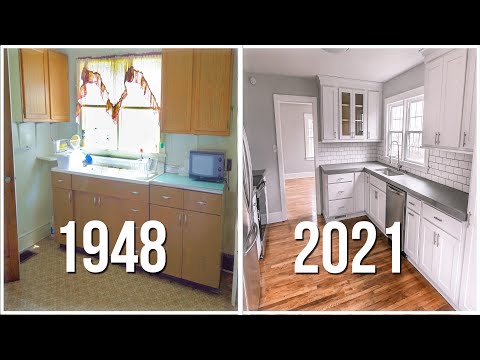
- Budget Tier ($5,000 – $15,000): Focuses on cosmetic updates like painting cabinets, installing new hardware, updating backsplashes, and replacing countertops. Think of this as a budget kitchen makeover that transforms the look without structural changes.
- Mid-Range Tier ($15,000 – $50,000): This is where most homeowners land. You’ll likely replace cabinets, upgrade appliances, install new flooring, update lighting, and possibly reconfigure the layout slightly. The kitchen renovation budget at this level delivers excellent return on investment.
- High-End Tier ($50,000 – $100,000+): Full gut renovations with custom cabinetry, premium appliances, smart home integration, architectural changes, and luxury finishes. This level is typical for homeowners seeking top-tier kitchen renovation budget planning with no compromises.
Where to Splurge and Where to Save
One of the most important lessons in any kitchen remodel cost guide is this: not all areas of your kitchen deliver equal value. Knowing where to invest and where to economize is what separates a smart renovation from an expensive regret.
High-Impact Areas Worth the Investment
These elements consistently deliver the best return on investment and the most daily satisfaction:
- Cabinetry and storage — Cabinets represent roughly 30-35% of your total kitchen renovation budget. Investing in quality craftsmanship here pays dividends every single day.
- Countertops — Durable, beautiful countertops like quartz or granite elevate the entire space and withstand heavy use.
- Lighting — Layered lighting (task, ambient, and accent) transforms a kitchen’s functionality and atmosphere. This is often overlooked but incredibly impactful.
- Appliances — Energy-efficient, high-performance appliances improve daily cooking experiences and add long-term value to your home.
Smart Ways to Cut Costs Without Sacrificing Quality
An affordable kitchen renovation doesn’t mean a cheap kitchen renovation. Here’s how experienced homeowners and designers save money strategically:
- Keep the layout — Avoid moving plumbing, gas lines, or electrical circuits. Changing your kitchen’s footprint dramatically increases labor costs.
- Paint instead of replace cabinets — Refacing or painting existing cabinets can save 50-70% compared to full replacement while achieving a stunning look.
- Shop sales and floor models — High-end appliances often go on significant discount. Timing your purchase around holiday sales events can slash thousands off your budget.
- Choose materials wisely — Engineered quartz offers the look of natural stone at a lower price point. Porcelain tile mimics expensive marble for a fraction of the cost.
- Handle minor tasks yourself — Painting, installing backsplashes, and assembling furniture-grade cabinets are manageable DIY projects for handy homeowners.
Kitchen Renovation Cost Comparison Table
The following table offers a side-by-side comparison of renovation tiers to help you visualize how your budget to renovate kitchen translates into specific outcomes:
| Category | Budget Tier | Mid-Range | High-End |
| Cabinets | $2,000 – $5,000 | $6,000 – $18,000 | $20,000 – $50,000+ |
| Countertops | $500 – $1,500 | $2,000 – $6,000 | $5,000 – $15,000+ |
| Appliances | $1,500 – $3,500 | $4,000 – $12,000 | $15,000 – $35,000+ |
| Flooring | $500 – $1,000 | $2,000 – $6,000 | $5,000 – $12,000+ |
| Labor | $1,500 – $3,000 | $4,000 – $10,000 | $15,000 – $30,000+ |
| Lighting | $200 – $500 | $1,000 – $3,000 | $3,000 – $8,000+ |
| Total Estimate | $5,000 – $15,000 | $15,000 – $50,000 | $50,000 – $100,000+ |
Expert Tips for Staying on Budget
Even the most carefully planned kitchen renovation budget can face unexpected challenges. These professional insights will help you stay on track:
- Always add a 10-20% contingency fund. Hidden water damage, outdated wiring, or supply chain delays can creep into your timeline and expenses. Planning for the unexpected is not pessimism — it’s professionalism.
- Get three quotes minimum. Never commit to the first contractor. Compare labor rates, timelines, and warranties from at least three different professionals to ensure your affordable kitchen renovation plan is competitive.
- Lock in materials before signing contracts. Material prices fluctuate. Purchasing or confirming pricing before your contractor begins work protects you from mid-project markups.
- Use a detailed contract. Every scope of work, every material specification, and every payment milestone should be documented. This protects both you and your contractor.
- Track every expense in real time. Use a spreadsheet or budgeting app to monitor spending weekly. Don’t wait until the end to discover you’ve gone over budget.

Common Mistakes That Blow Your Kitchen Renovation Budget
Avoiding these frequent pitfalls can save you thousands of dollars and weeks of frustration:
- Changing your mind mid-project. Every alteration — from swapping tile styles to moving an outlet — costs time and money. Finalize decisions before construction begins.
- Underestimating labor costs. Many homeowners budget for materials but forget that installation, cleanup, and project management all carry labor charges.
- Choosing the cheapest option blindly. Budget-friendly kitchen renovation ideas work when they’re intentional, not when they’re just cutting corners. Cheap materials often need replacement sooner, costing you more long-term.
- Ignoring permit requirements. Structural, electrical, or plumbing work often requires permits. Skipping this step risks fines, failed inspections, and expensive redo’s.
- Overlooking the full picture. Your kitchen renovation budget should account for temporary housing arrangements if the kitchen is unusable during the project, plus dining adjustments, storage solutions, and potential debt interest if you’re financing.
Frequently Asked Questions About Kitchen Renovation Budgets
1. How much does a kitchen remodel cost for a 10×10 kitchen?
A 10×10 kitchen — one of the most common sizes in American homes — typically costs between $10,000 and $45,000 depending on the scope. A budget kitchen makeover at this size might land around $10,000-$15,000, while a comprehensive mid-range renovation runs $20,000-$35,000. High-end finishes can push this above $45,000. The key variable is whether you’re changing the layout or just refreshing finishes.
2. What is the most affordable way to renovate a kitchen?
The most budget to renovate kitchen approach focuses on high-impact, low-cost changes: painting or refacing cabinets, updating hardware, installing a new backsplash, swapping in affordable but attractive countertops like butcher block or laminate, replacing light fixtures, and deep-cleaning or re-grouting existing tile floors. These changes can transform your space for $5,000-$8,000 without structural work.
3. How long does a kitchen renovation take?
Timelines vary dramatically. A minor cosmetic refresh takes 1-2 weeks. A mid-range renovation involving cabinet replacement, new appliances, and flooring updates typically takes 3-5 weeks. Full gut renovations with structural changes, custom cabinetry, and premium finishes can take 8-12 weeks or longer. Permitting delays and supply chain issues can extend these timelines significantly.
4. Should I finance my kitchen renovation or pay cash?
This depends on your financial situation. If you have savings available, paying cash avoids interest charges and keeps your kitchen renovation budget strictly controlled. However, if the renovation increases your home’s value by 60-80% of the investment (which research consistently supports), a home equity line of credit or renovation-specific loan at favorable rates can be a strategic financial move. Avoid high-interest credit cards for large renovation projects.
5. What kitchen upgrades increase home value the most?

According to the National Association of Realtors, the most valuable kitchen renovation budget investments include: mid-range cabinet replacements, new quartz or granite countertops, stainless steel appliances, updated lighting systems, and functional layout improvements. These upgrades typically recoup 60-80% of their cost at resale. Avoid overcapitalizing with ultra-luxury finishes that don’t match your neighborhood’s market.
6. How do I find a reliable contractor for my budget kitchen makeover?
Start by asking for recommendations from friends, neighbors, or local community groups. Verify licenses and insurance, check platforms like the Better Business Bureau and Houzz for reviews, and always request detailed written estimates. Interview at least three candidates. A reliable contractor will provide a clear timeline, a transparent breakdown of costs, and references from recent kitchen renovation budget projects similar to yours.
Final Thoughts on Planning Your Kitchen Renovation Budget
Navigating the world of kitchen renovations doesn’t have to be overwhelming. Whether you’re working with a tight budget of $5,000 or investing $80,000 in a dream kitchen, the principles remain the same: plan thoroughly, research obsessively, budget generously for contingencies, and never rush decisions. Your kitchen renovation budget is ultimately an investment in your daily quality of life and your home’s long-term value. By following the strategies outlined in this guide — from understanding the kitchen remodel cost breakdown to leveraging affordable kitchen renovation ideas — you’ll be equipped to create a space that’s beautiful, functional, and financially sound. The journey starts with a single, well-informed decision, and now you have all the knowledge you need to make it count.