


Bath replacement is one of the most impactful home improvement projects a homeowner can tackle. Whether you are dealing with a cracked old bathtub, outdated fixtures, or a bathroom that simply no longer meets your family’s needs, understanding the ins and outs of replacing your bath can save you thousands of dollars and countless headaches. This comprehensive guide walks you through every phase of the bathtub replacement journey, from recognizing the warning signs that your current unit needs to go, to selecting the right materials, managing costs, and avoiding the most common pitfalls that turn a straightforward renovation into a costly disaster.
Why Replacing Your Old Bath Is Worth the Investment
A worn-out bathtub does more than just look terrible. It can compromise your bathroom’s functionality, reduce your home’s resale value, and even create serious water damage if leaks develop behind walls or beneath flooring. Many homeowners ignore deteriorating baths for years, assuming that patching cracks or refinishing surfaces will solve the problem temporarily. While these quick fixes might buy you a few more months, they rarely address the underlying structural or material issues that make a full bath replacement the smarter long-term decision.
Beyond structural concerns, replacing an outdated bath opens the door to modern features like water-efficient fixtures, built-in showerheads, ergonomic designs, and heated surfaces that transform your daily routine. A new bathtub also allows you to reimagine your bathroom layout, potentially creating a spa-like retreat right in your own home.
Warning Signs Your Bath Needs to Be Replaced
Not every surface imperfection means it is time for a full replacement, but certain red flags should never be ignored. Watch for these telltale signs that your bathtub has reached the end of its useful life:
- Cracks or chips that are growing in size or depth over time
- Persistent leaks around the drain, faucet, or base of the tub
- Discoloration or staining that does not respond to deep cleaning
- Warping or flexing in the tub walls when pressure is applied
- Rust or corrosion on metal fixtures and support structures
- Mold or mildew growth that returns despite repeated treatment
- A bathtub that has shifted, become unlevel, or separated from the floor
- Frequent repairs that cost more than a single replacement would
If you notice three or more of these issues simultaneously, professional bath replacement should be at the top of your home improvement agenda.
Types of Baths Available for Replacement
Choosing the right material and style for your new bathtub is one of the most critical decisions you will make during this project. Each option comes with distinct advantages, price points, and installation requirements. Below is an overview of the most popular bath materials on the market today.
Acrylic Baths
Acrylic is the most popular choice for modern bath replacement projects. It is lightweight, easy to install, and available in a wide range of shapes, sizes, and colors. Acrylic tubs retain heat well, making them comfortable for long soaks, and they resist cracks and impacts better than many alternatives. However, lower-quality acrylic can scratch or yellow over time, so always opt for reinforced, high-grade acrylic from reputable manufacturers.
Fiberglass Baths
Fiberglass units are lightweight and affordable, making them a common choice for budget-conscious renovations. They are pre-molded into standard shapes and sizes, which simplifies installation. The downside is that fiberglass can feel thinner and less durable than acrylic, and it is prone to fading and cracking after several years of use.
Cast Iron Baths
Cast iron tubs are the gold standard for durability and heat retention. They are coated with porcelain or enamel, giving them a luxurious, smooth finish that resists scratches and stains. The trade-off is significant weight — a cast iron bath can weigh several hundred pounds — which requires reinforced floor support and professional installation. These tubs are also among the most expensive options for bath replacement.
Stone Resin and Composite Baths
Stone resin and composite materials offer a premium middle ground. They mimic the look and feel of natural stone or solid surface materials while remaining lighter and easier to install than pure cast iron. These baths are exceptionally durable, resistant to heat and scratches, and they come in contemporary designs that complement modern bathroom aesthetics.
| Material | Lifespan | Avg. Cost (Unit Only) | Weight | Maintenance Level |
| Acrylic | 15–25 years | $400–$1,200 | Light | Low |
| Fiberglass | 10–15 years | $300–$800 | Very Light | Low |
| Cast Iron | 30–50+ years | $1,500–$5,000 | Very Heavy | Low |
| Stone Resin | 20–30 years | $1,200–$3,500 | Medium-Heavy | Very Low |
How the Bath Replacement Process Works
Understanding the bathtub replacement process from start to finish helps you set realistic expectations, budget accurately, and communicate effectively with contractors. Here is a detailed breakdown of what happens during a typical bath replacement project.
Step 1: Assessment and Planning
The first phase involves a thorough assessment of your existing bathroom layout, plumbing connections, floor support, and drainage configuration. A qualified contractor or plumber will measure the available space, check for water damage in surrounding walls and subflooring, and discuss your preferences for the new unit. This is also the ideal time to decide whether you want to keep the same footprint or reconfigure the layout entirely.
Step 2: Shutting Off Water and Removing the Old Bath

Before any demolition begins, the water supply to the bathroom must be shut off, and the drain and supply lines must be carefully disconnected. The old bathtub is then unbolted from the wall and floor, and any surrounding tile, caulk, or adhesive is removed. Damaged subflooring or plumbing components are addressed before the new unit goes in.
Step 3: Preparing the Installation Area
The subfloor is leveled, plumbing is inspected or replaced as needed, and any waterproofing membranes or backer boards are installed around the perimeter. Proper waterproofing is essential because moisture trapped beneath or behind the new bath can lead to mold, rot, and structural damage within months.
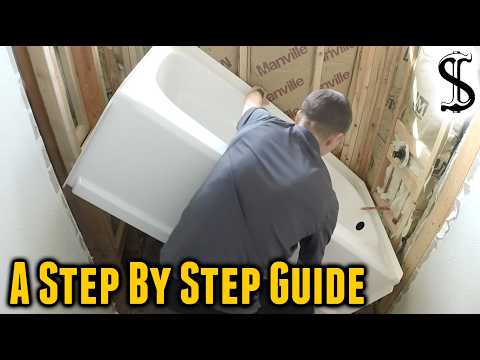
Step 4: Installing the New Bath
The new bathtub is carefully positioned, leveled, and secured to the floor and wall studs using appropriate fasteners and support brackets. The drain and overflow connections are fitted, and the water supply lines are reattached. Once the unit is stable and plumbed, the surrounding walls are tiled or paneled, and silicone caulk is applied along all seams to create a watertight seal.
Step 5: Finishing and Inspection
The final step involves connecting fixtures, filling the tub to test for leaks, and cleaning up the work area. A professional inspection ensures that every connection is secure and that the new bath performs as expected. Most bath replacement projects are completed within one to three days, depending on the complexity of the job.

Bath Replacement Cost Breakdown
The total cost to replace a bathtub varies widely based on material choice, bathroom size, plumbing complexity, and whether you hire a professional or tackle the project as a DIY endeavor. Below is a realistic cost range to help you plan your budget.
| Cost Component | Budget Range | Premium Range |
| Bathtub unit only | $300–$1,500 | $1,500–$5,000 |
| Removal of old bath | $150–$400 | $300–$600 |
| Plumbing and waterproofing | $200–$800 | $500–$1,500 |
| Tiling and finishing | $500–$2,000 | $2,000–$6,000 |
| Professional installation labor | $500–$1,500 | $1,500–$3,000 |
| Total Project Cost | $1,650–$6,200 | $5,800–$16,100 |
Keep in mind that these figures are national averages and can fluctuate based on your geographic location, the accessibility of your bathroom, and the specific products you select. Always request itemized quotes from at least three contractors before committing to a provider.
Common Mistakes Homeowners Make During Bath Replacement
Even well-planned renovation projects can go wrong when common oversights are not addressed proactively. Here are the mistakes that trip up the most homeowners during bath replacement:
- Ignoring subfloor condition — Installing a new bath over a damaged or rotted subfloor guarantees future problems. Always inspect and repair the subfloor before placing the new unit.
- Choosing the wrong size — Measuring inaccurately or selecting a tub that does not fit the available space leads to costly modifications or an awkward installation. Double-check every dimension before purchasing.
- Skipping waterproofing — Waterproofing the shower floor, walls, and tub surround is non-negotiable. Skipping this step invites water damage, mold, and expensive structural repairs down the road.
- Underestimating plumbing work — If your new bath requires repositioned drains or supply lines, the cost and time increase significantly. Factor this into your plan from the beginning.
- Hiring the cheapest contractor — Low bids often reflect low-quality workmanship, shortcuts, or incomplete projects. Always verify licensing, insurance, and customer reviews before hiring.
- Forgetting ventilation — A properly ventilated bathroom protects your new investment from moisture damage. Ensure your exhaust fan is adequate for the room size.
Frequently Asked Questions About Bath Replacement
How long does a typical bath replacement project take to complete? Most professionally managed bath replacements are finished within one to three days, though projects that involve tiling, layout changes, or extensive plumbing work may take a full week or longer from start to finish.
Can I replace my bathtub myself, or should I hire a professional? Homeowners with solid plumbing and tiling experience can handle a straightforward bathtub swap, but bath replacement involving waterproofing, new plumbing connections, or tile work is best left to licensed professionals to avoid expensive mistakes and potential water damage.
What is the average lifespan of a new bathtub after replacement? A high-quality acrylic or cast iron bath can last 20 to 50 years depending on the material, usage frequency, and maintenance routine. Regular cleaning and prompt repair of any damage will maximize the longevity of your new unit.
Is it necessary to replace the bathroom floor when replacing the bath? Not always, but if the existing subfloor shows signs of water damage, rot, or instability, replacing or reinforcing the floor during the bath replacement process is strongly recommended to protect your investment.
What should I look for when choosing a contractor for bath replacement? Look for contractors who are licensed, insured, and experienced specifically with bathroom renovation. Request detailed written quotes, check references, and verify that they carry adequate liability insurance to protect your property during the project.
Will replacing my bathtub increase my home’s resale value? Yes, a modern, well-installed bathtub is one of the bathroom features homebuyers actively look for. A quality bath replacement typically recoups 60 to 70 percent of its cost at resale, making it one of the more valuable investments you can make in your home.
Final Thoughts on Replacing Your Bath
Bath replacement is a project that blends practical necessity with genuine aesthetic transformation. Whether you are motivated by the need to fix a damaged unit, upgrade to a more efficient model, or completely reimagine your bathroom’s look and feel, approaching the project with knowledge and preparation makes all the difference. Take the time to research materials, understand costs, plan your layout carefully, and partner with experienced professionals who share your vision for a beautiful, functional bathroom that will serve your household for decades to come.